


Hey, I'm Annie
I'm not here to sell you a fantasy version of homestead life.
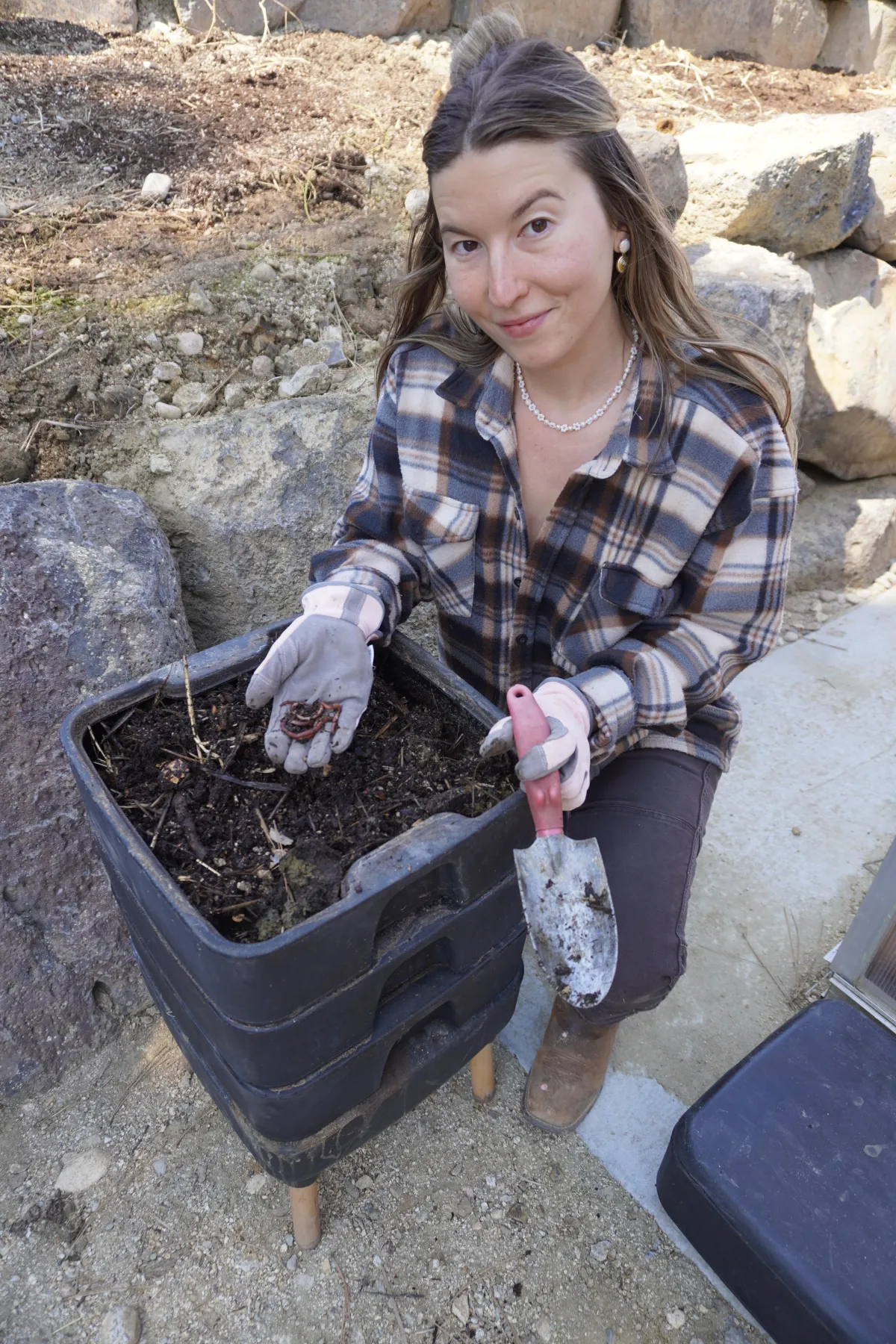
I'm living the real thing — off the grid, in the Idaho mountains, with a flock I hatched myself, a grow room, a greenhouse, and a very strong opinion about what's in your food.
If you found me through the chemtrail content — welcome.
If you found me through the chicken content — also welcome.
They're the same page. Stick around and you'll see why.

Midwest girlie
I grew up in South Dakota. Real food came from someone you knew. Slow living wasn't a trend — it was just Tuesday.
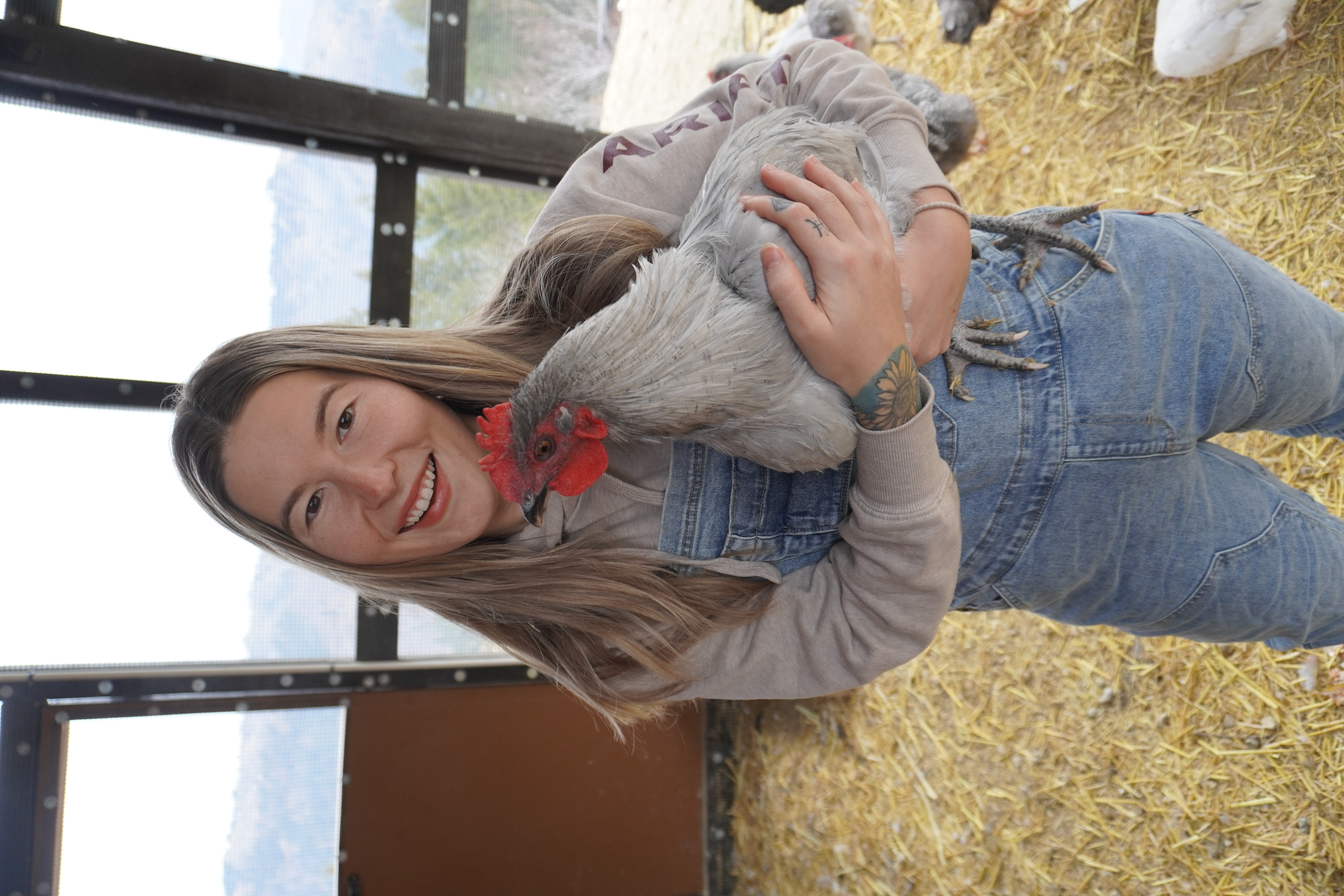
These days I live tucked into the Idaho mountains, off-grid by design. I have a flock of birds I hatched from eggs I collected from birds I raised. I have an indoor grow room and a greenhouse. I source feed with no soy, no corn, no seed oils. My birds free-range on actual Idaho ground every single day.
I didn't move here for the aesthetic. I moved here because the further I got from the supply chain, the better I felt about what I was putting in my body.

Green Thumb Guru
I grow what I eat because I don't trust what I can't trace.
I hatch my own flock because I want to know every part of the chain — what the parent birds ate, what the ground looked like, what went into the egg that went into my breakfast.
I source feed I can read the label on and actually understand. I grow mealworms for my birds because I'd rather know the protein source than trust a bag that says "natural ingredients."
This isn't a hobby. It's the most deliberate thing I do.

Community Builder
I'm not interested in chasing followers.
I'm interested in building a community of people who are asking the same questions I'm asking and doing something about it.
People who are done outsourcing their food supply to a system they don't fully trust.
People who are curious enough to look into it and stubborn enough to do something about it.
If that's you — you found the right page.
Why Trust ME
Because I'm not here to sell you a fantasy — I'm living the real thing.
I didn't grow up doing this. I learned the hard way: one frozen waterer, failed hatch, and rogue rooster at a time.
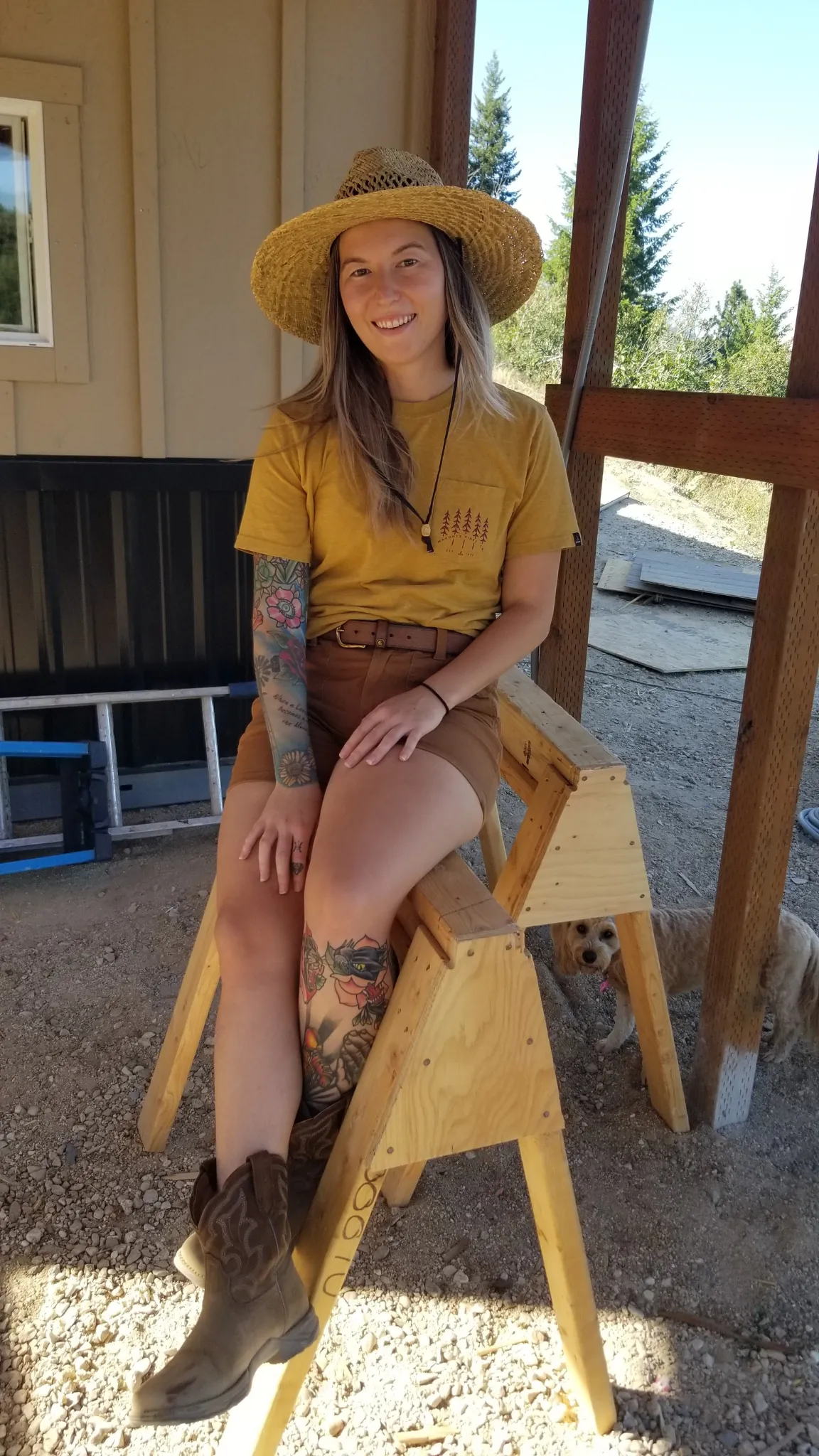
I built my homestead from scratch. Off-grid. In the mountains. With no blueprint and a lot of trial and error.
Here's what I know now that I didn't know then:
The information is out there. But most of it is either dressed up past the point of being useful, or so overwhelming it makes you want to give up before you start.
I share everything — what worked, what failed, what I'd do differently. From mealworms to meat birds. Soil to coop automation. Incubation humidity to lockdown day 18.
I'm not a guru. I'm someone who got fed up with the system, decided to build a way out of it, and documented everything along the way so you don't have to figure it all out alone.
Growing your own food is the most radical act of self-preservation we have left. I take that seriously, and you should too.
So if you want someone who gets it — someone who's walked through the overwhelm and is still walking, still building, still learning — You're in the right place.
Why choose my course
Because Googling every chicken question at midnight isn’t a strategy.
My "Hatch to Harvest" course is the guide I wish I had when I started. Googling your way through a hatch at midnight isn't a system. It's a prayer.
I built Hatch to Harvest because when I started, I couldn't find a single resource that covered the full process — from picking the right egg to harvest day — without either dumbing it down or leaving out the parts that matter.
This is the course I built for myself and made available because you deserve more than a patchwork of YouTube videos and Facebook group opinions.
Everything from brooder setup to harvest. Every step in order. Hard-earned from doing it myself, off-grid, without a team.
It's not for people who want to dabble. It's for people who are ready to raise their own meat, know exactly what they're eating, and stop depending on a supply chain they can't see.
What problems can I solve
If you've ever felt any of this — keep reading...
Overwhelmed by conflicting advice and not sure who to actually trust.
Frustrated by courses that cost a lot and assume you already know things.
Ready to raise your own food but not sure where the first step is.
Done trusting labels and wanting to know the full chain from seed, egg, or chick to what's on your plate.
Suspicious that the food system isn't as stable as everyone says — and wanting to build something that doesn't depend on it.
I've been all of those things.
I'll walk you through every part of this — chickens, food, systems, sourcing — with clear practical steps from someone who's done it the hard way and figured out what actually works.
This isn't about being perfect. It's about being less dependent. One bird, one harvest, one skill at a time.
Read The Blog
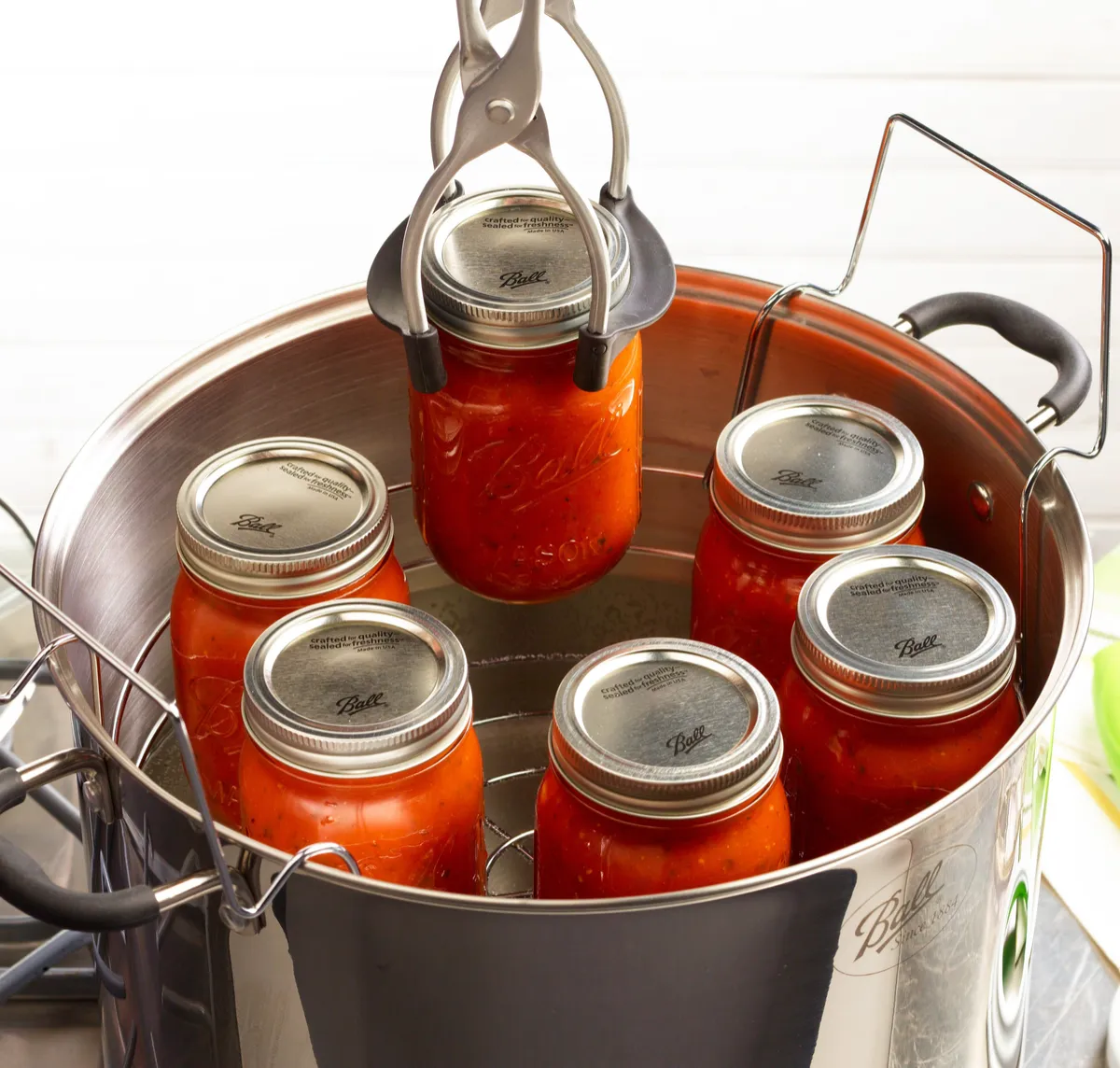
How to Rotate Your Freezer and Pantry So Stored Food Gets Used
How to Rotate Your Freezer and Pantry So Stored Food Gets Used
Stored food is only useful when you can find it, recognize it, and use it before quality declines. A freezer full of unlabeled bags and a pantry full of hidden cans may contain plenty of food while still failing at the moment you need a meal.
Rotation is the bridge between buying food and building resilience. It turns storage into a working part of the kitchen instead of a forgotten emergency pile.
The system can be simple: label what comes in, make older food easier to reach, plan meals around what needs to be used, and replace what you consume.
Start with a freezer and pantry reset
Choose a time when you can work without rushing. You do not need to empty the entire home at once. Start with one freezer shelf, one cabinet, or one storage bin.
Group items by use:
- Proteins
- Vegetables and fruit
- Complete meals
- Bread and baked goods
- Broths and sauces
- Breakfast foods
- Baking supplies
- Snacks
- Pet food
As you sort, identify items that are unlabeled, damaged, expired, freezer-burned, unfamiliar, or unlikely to be used. Put the oldest usable food in a visible priority area.
Do not treat the reset as a moral judgment. The purpose is to learn how your system failed. Maybe items were too deeply stacked. Maybe labels fell off. Maybe portions were too large. Maybe you preserved food without a recipe in mind. Each problem suggests a practical change.
Label every stored item
A label should answer four questions:
- What is it?
- When was it stored or opened?
- How much is in the package?
- What should it be used for?
For freezer food, include preparation notes such as cooked chicken, chopped peppers, blanched green beans, or tomato sauce. For pantry foods, include the date opened when useful. A permanent marker and freezer tape are often enough.
Use flat, stackable packages when practical. Label before freezing if the container will become difficult to write on later. Avoid relying on memory. A mystery package is less likely to become dinner.
Choose a first-in, first-out layout
First in, first out—often shortened to FIFO—means using older food before newer food. Put newer items behind or below older ones. If that arrangement is impossible, create a clearly marked use-first bin.
For a freezer, group similar foods and keep an inventory list on the door or nearby. Update it when food is added or removed. For a pantry, keep a short list of items that are running low and items that need to be used soon.
The Utah State University Extension food storage resource can help with storage conditions and quality considerations. Storage length is not a universal promise; temperature, packaging, moisture, light, food type, and handling all matter.
Build meals from the oldest food first
Once a week, choose two or three meals around the use-first items. This is more effective than asking what you feel like eating after the most accessible food has already been used.
Examples:
- Frozen cooked meat becomes soup, tacos, rice bowls, or pasta.
- Frozen vegetables go into eggs, stir-fries, casseroles, or stews.
- Older bread becomes toast, breadcrumbs, croutons, or a casserole.
- Fruit becomes a smoothie, baked dish, sauce, or snack.
- Canned beans become chili, salads, spreads, or a side dish.
- Frozen herbs and chopped vegetables add flavor to pantry meals.
Keep a short list of dependable meals that use stored food. The list should reflect your household’s actual cooking ability and energy. A meal that requires ten ingredients and two hours of preparation may not be your best rotation meal during a busy week.
Use a flexible meal template
Templates are easier to rotate than rigid menus. Try:
- Protein + starch + vegetable
- Beans + grain + sauce
- Soup or stew + bread
- Eggs + vegetable + toast
- Pasta + sauce + protein or vegetable
- Grain bowl + leftovers
Templates let you substitute what needs to be used. They also reveal which categories are consistently missing from your storage.
Add a monthly inventory check
A monthly check can be brief. Review:
- What was used
- What was added
- What needs to be moved forward
- What is damaged or losing quality
- What your household no longer wants
- What should be purchased during the next normal grocery trip
Do not aim for perfect records. A simple count of high-use categories may be enough. If you use four cans of beans in a month and want to keep eight on hand, your target is clearer than a vague goal to have a large pantry.
The New Whole Earth’s approach of building food resilience one month at a time supports this gradual process. Read the food resilience article here.
Keep stored food accessible
Storage space has a physical design problem. If you cannot see or reach an item, you are less likely to use it. Heavy items should not be placed where moving them is unsafe. Freezer shelves should not be packed so tightly that food disappears. Pantry bins should be labeled on the front, not only on the lid.
If your storage area is warm, damp, exposed to sunlight, or visited by pests, solve those issues before adding more food. Food storage is not improved by buying more food for an unsuitable space.
For shelf-stable foods, use clean, dry, stable storage. For frozen foods, protect against temperature fluctuations where possible and keep a power-outage plan appropriate to your household. Do not refreeze food that has become unsafe; follow current food-safety guidance when a freezer loses power.
Avoid the bulk-buying trap
Bulk purchasing can reduce trips and sometimes lower the unit price, but it can also produce waste. Before buying, ask:
- How quickly do we use this?
- Can we store it safely?
- Will it still be appealing after several meals?
- Do we have a way to divide or package it?
- Is the savings worth the money tied up in inventory?
A discounted item that sits unused is not a savings. A smaller package that gets eaten may support food security better than a larger package that becomes clutter.
A stocked cellar shown online can make a rotation system look effortless, but photos do not show the daily work behind the result. The Cool Down’s article about a stocked cellar notes both the appeal of prepared food and the fact that a year of preserved food is not a realistic expectation for every household.
Turn rotation into normal cooking
The easiest system is attached to a habit you already have. Review the use-first bin while making your grocery list. Move older foods forward when you put groceries away. Choose one freezer meal every week. Add one stored ingredient to a normal dinner.
You can also create a monthly theme such as freezer cleanout week, soup week, or pantry meal week. Keep the tone practical rather than punitive. The goal is not to eat only old food. The goal is to keep food moving so that the buffer remains fresh, useful, and familiar.
Your first action this week
Choose one shelf or freezer section. Remove mystery items, label what remains, and create a use-first area. Plan one meal from it before buying more food.
For readers who want a printable system, add a [link to Annie’s Homestead freezer inventory sheet] and a [link to Annie’s Homestead pantry rotation guide]. If you offer meal-planning help, add a [link to the meal-planning resource].
A food buffer should not become a museum of good intentions. Use it, learn from it, replace what matters, and keep the system small enough to maintain.
Annie's Homestead is not affiliated by Facebook™ in any way. Facebook™ is a registered trademark of Facebook™ Inc
Branding and Website by RoyalT Studio