


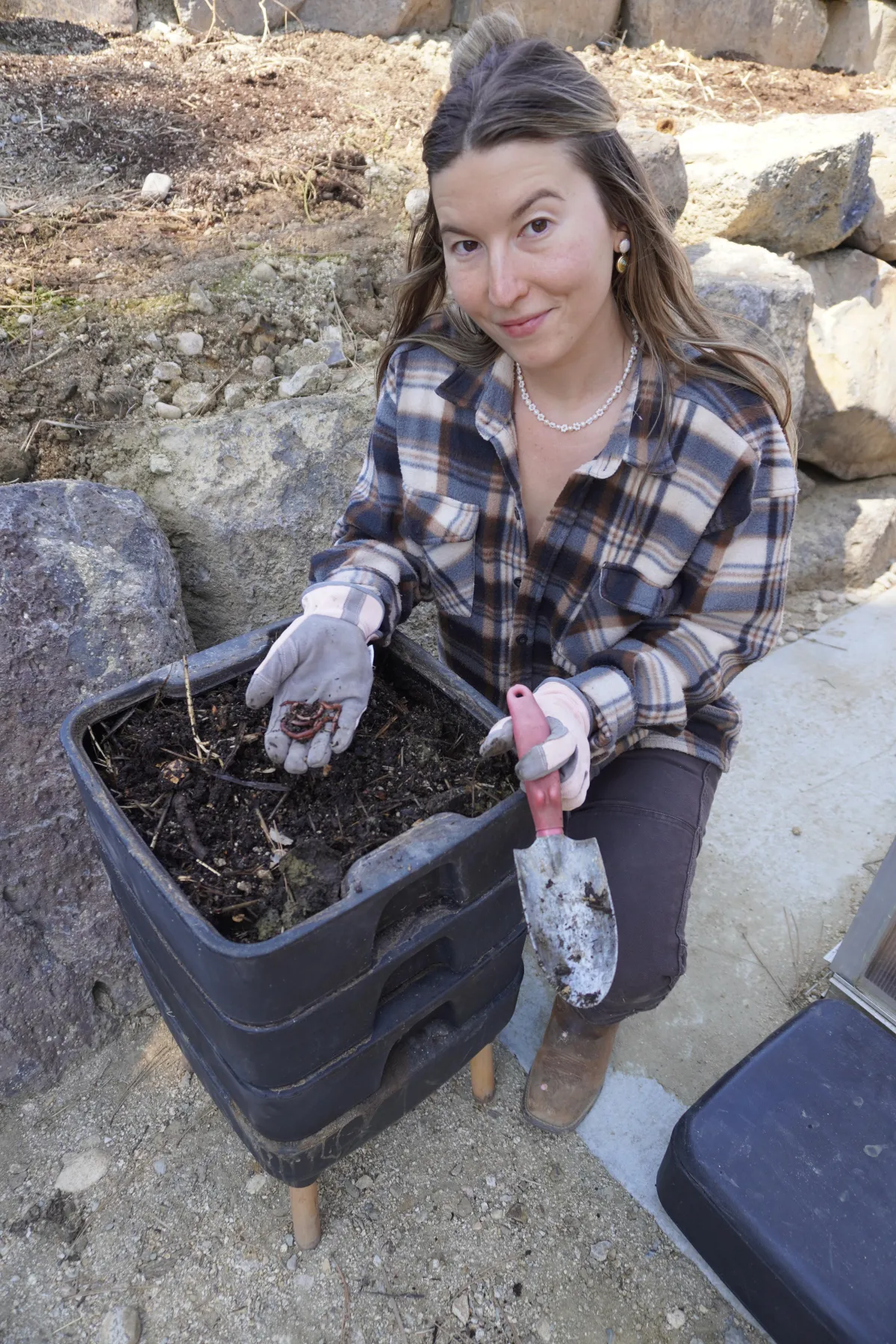
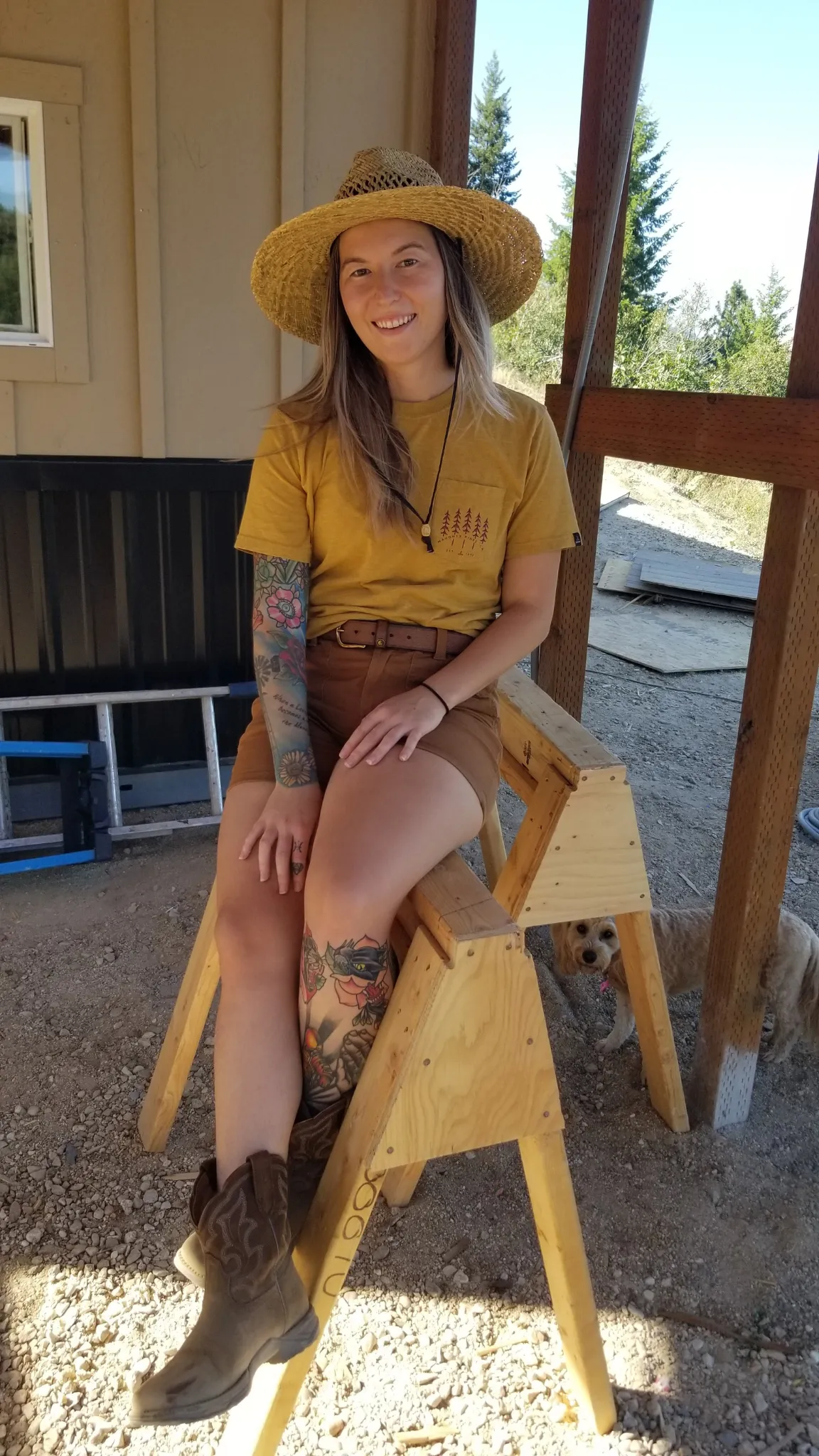
Hey, I'm Annie
I'm not here to sell you a fantasy version of homestead life.
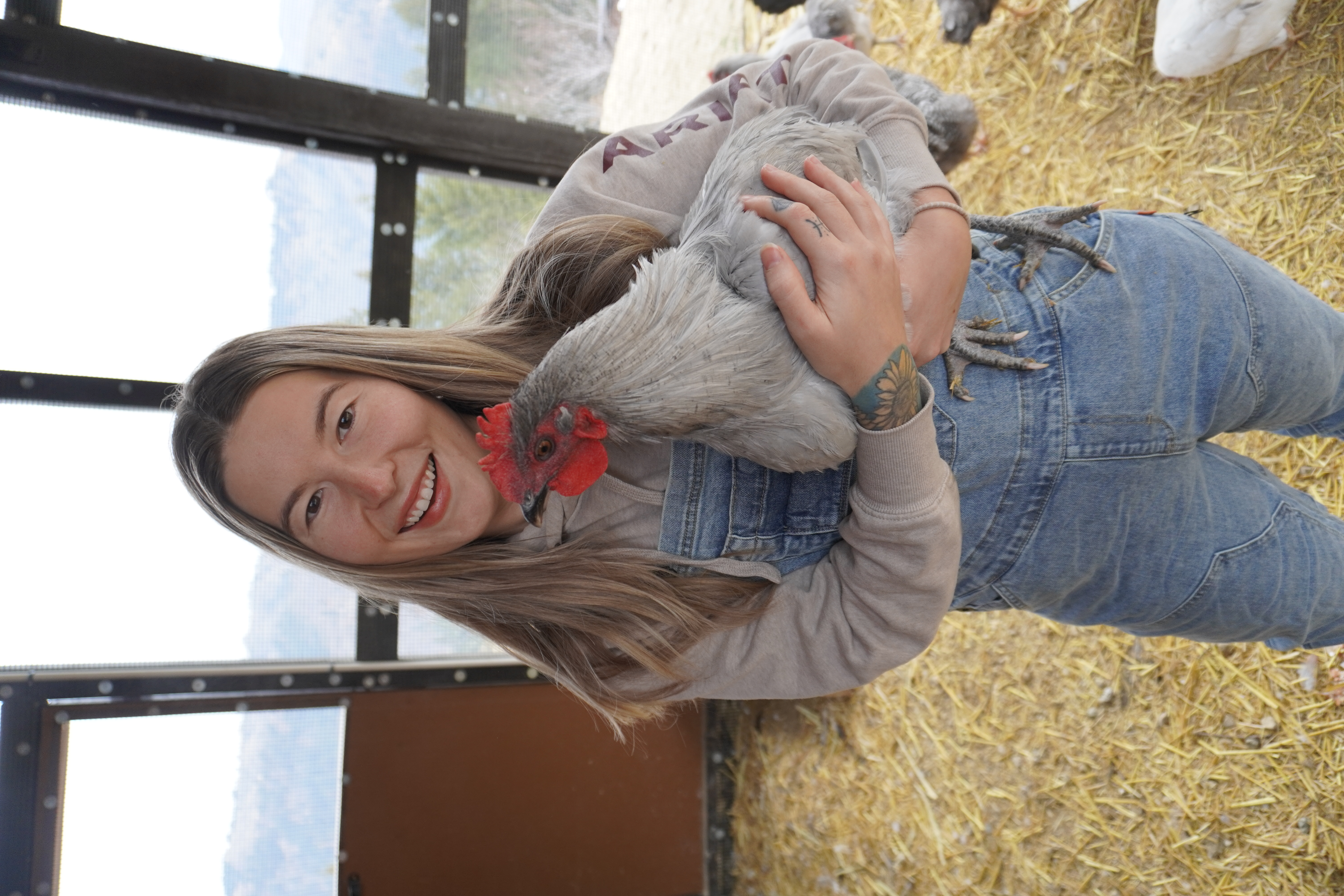
I'm living the real thing — off the grid, in the Idaho mountains, with a flock I hatched myself, a grow room, a greenhouse, and a very strong opinion about what's in your food.
If you found me through the chemtrail content — welcome.
If you found me through the chicken content — also welcome.
They're the same page. Stick around and you'll see why.

Midwest girlie
I grew up in South Dakota. Real food came from someone you knew. Slow living wasn't a trend — it was just Tuesday.
These days I live tucked into the Idaho mountains, off-grid by design. I have a flock of birds I hatched from eggs I collected from birds I raised. I have an indoor grow room and a greenhouse. I source feed with no soy, no corn, no seed oils. My birds free-range on actual Idaho ground every single day.
I didn't move here for the aesthetic. I moved here because the further I got from the supply chain, the better I felt about what I was putting in my body.

Green Thumb Guru
I grow what I eat because I don't trust what I can't trace.
I hatch my own flock because I want to know every part of the chain — what the parent birds ate, what the ground looked like, what went into the egg that went into my breakfast.
I source feed I can read the label on and actually understand. I grow mealworms for my birds because I'd rather know the protein source than trust a bag that says "natural ingredients."
This isn't a hobby. It's the most deliberate thing I do.

Community Builder
I'm not interested in chasing followers.
I'm interested in building a community of people who are asking the same questions I'm asking and doing something about it.
People who are done outsourcing their food supply to a system they don't fully trust.
People who are curious enough to look into it and stubborn enough to do something about it.
If that's you — you found the right page.
Why Trust ME
Because I'm not here to sell you a fantasy — I'm living the real thing.
I didn't grow up doing this. I learned the hard way: one frozen waterer, failed hatch, and rogue rooster at a time.
I built my homestead from scratch. Off-grid. In the mountains. With no blueprint and a lot of trial and error.
Here's what I know now that I didn't know then:
The information is out there. But most of it is either dressed up past the point of being useful, or so overwhelming it makes you want to give up before you start.
I share everything — what worked, what failed, what I'd do differently. From mealworms to meat birds. Soil to coop automation. Incubation humidity to lockdown day 18.
I'm not a guru. I'm someone who got fed up with the system, decided to build a way out of it, and documented everything along the way so you don't have to figure it all out alone.
Growing your own food is the most radical act of self-preservation we have left. I take that seriously, and you should too.
So if you want someone who gets it — someone who's walked through the overwhelm and is still walking, still building, still learning — You're in the right place.
Why choose my course
Because Googling every chicken question at midnight isn’t a strategy.
My "Hatch to Harvest" course is the guide I wish I had when I started. Googling your way through a hatch at midnight isn't a system. It's a prayer.
I built Hatch to Harvest because when I started, I couldn't find a single resource that covered the full process — from picking the right egg to harvest day — without either dumbing it down or leaving out the parts that matter.
This is the course I built for myself and made available because you deserve more than a patchwork of YouTube videos and Facebook group opinions.
Everything from brooder setup to harvest. Every step in order. Hard-earned from doing it myself, off-grid, without a team.
It's not for people who want to dabble. It's for people who are ready to raise their own meat, know exactly what they're eating, and stop depending on a supply chain they can't see.
What problems can I solve
If you've ever felt any of this — keep reading...
Overwhelmed by conflicting advice and not sure who to actually trust.
Frustrated by courses that cost a lot and assume you already know things.
Ready to raise your own food but not sure where the first step is.
Done trusting labels and wanting to know the full chain from seed, egg, or chick to what's on your plate.
Suspicious that the food system isn't as stable as everyone says — and wanting to build something that doesn't depend on it.
I've been all of those things.
I'll walk you through every part of this — chickens, food, systems, sourcing — with clear practical steps from someone who's done it the hard way and figured out what actually works.
This isn't about being perfect. It's about being less dependent. One bird, one harvest, one skill at a time.
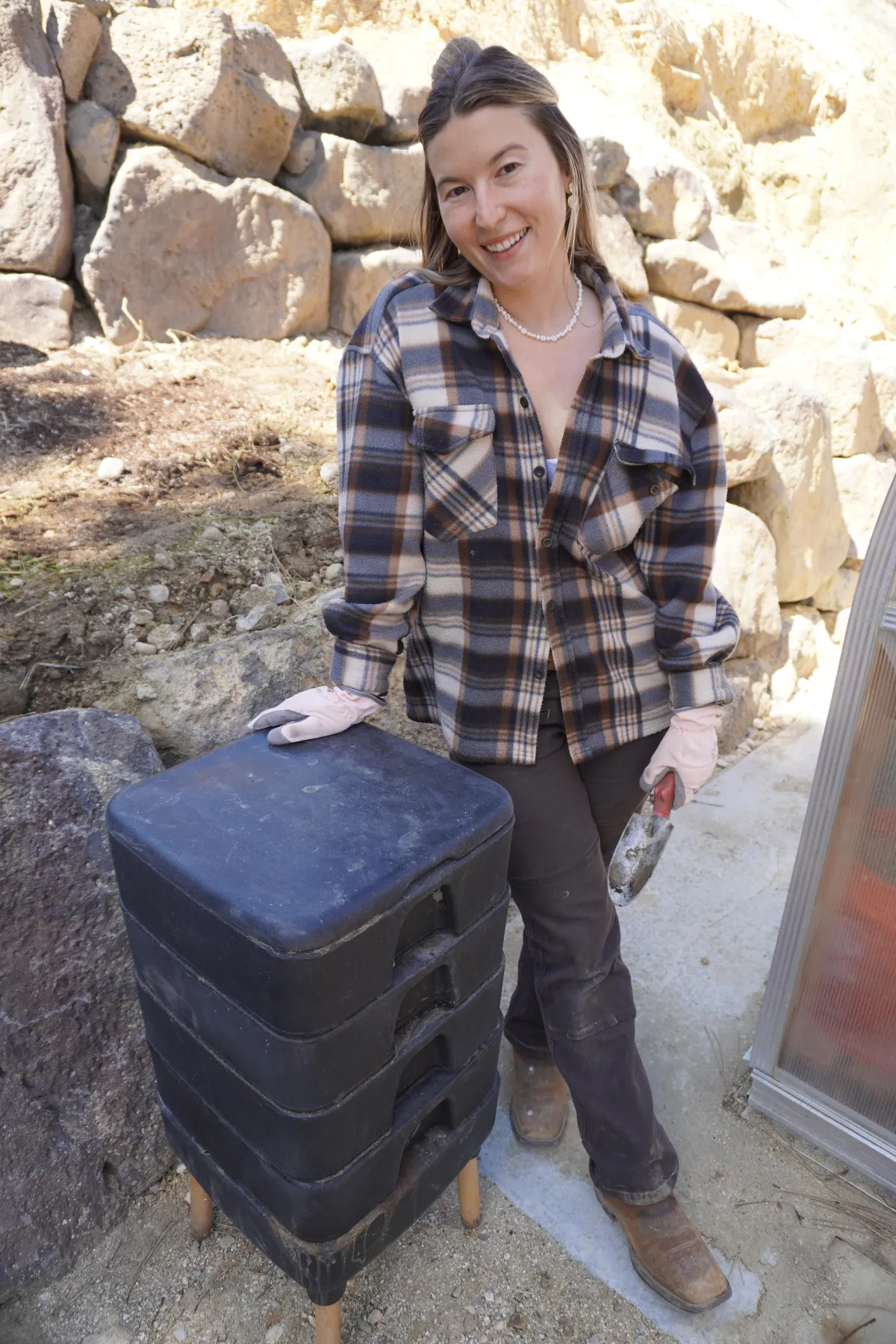
Read The Blog
Why the USDA–Palantir Deal Should Make Idahoans Look Closer at Their Local Food System
Why the USDA–Palantir Deal Should Make Idahoans Look Closer at Their Local Food System
Something just happened in the U.S. food system, and most people in Idaho didn’t hear about it.
The USDA signed a $300 million deal with Palantir Technologies—a company known for building data systems for military and government operations.
Now they’re stepping into agriculture.
Not to grow food.
Not to raise animals.
To organize and manage the data behind it all.
And while that might sound far removed from everyday life here in Idaho, it connects directly to something happening much closer to home—how we grow, buy, and support local food.
What the USDA Deal Means for Farmers and Food Systems
The goal of this partnership is to modernize farm programs and strengthen what’s being called national food security.
Part of that includes a system known as One Farmer, One File—a centralized digital profile for farmers that brings together land ownership, crop production, supply chain data, and participation in USDA programs.
On paper, it solves real problems. Less paperwork. Faster processing. Better coordination.
For farmers navigating complex systems, that kind of support matters.
But it also represents a broader shift toward more centralized, data-driven agriculture.
Why This Matters for Idaho’s Local Food Scene
Idaho has something many places don’t—a strong, growing local food network.
From local farmers markets popping up every day of the week to small and large family farms across the Treasure Valley, there are people producing food in a way that’s visible, personal, and rooted in community.
When food systems become more centralized, it doesn’t eliminate local food.
But it does make it easier to overlook.
And that’s where awareness matters.
Because the more distance there is between people and their food, the less people tend to support what’s right in front of them.
The Difference Between Local Food and Large-Scale Food Systems
There’s a noticeable difference between buying food from a national system and buying from a local Idaho farmer.
Local food often means:
fewer steps between the farm and your plate
direct relationships with growers and producers
food that reflects the season and the region
money staying within your local economy
It also means you can ask questions.
You can visit the farm.
You can meet the person raising your meat or growing your produce.
That level of connection doesn’t exist in large-scale systems, no matter how advanced the technology becomes.
Why Farmers Markets in Idaho (Any Beyond) Are Worth Paying Attention To
Farmers markets aren’t just a place to shop.
They’re one of the easiest ways to reconnect with your food.
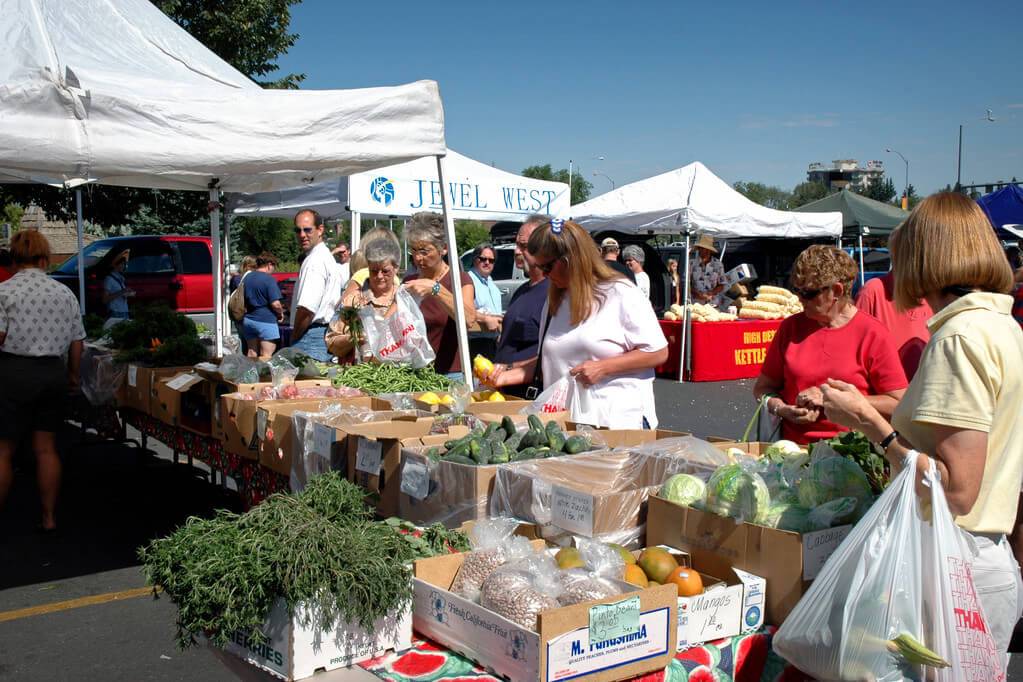
Across Idaho—especially in Boise, Meridian, and the surrounding areas—farmers markets have become gathering places where people can:
meet local farmers and ranchers
discover seasonal produce
support small businesses and makers
keep money circulating in their own communities
If you’ve never taken the time to walk through a local market and talk to the vendors, it changes how you see food.
It becomes less transactional and more relational. I've met some of my soul family through these markets.
Supporting Local Farmers in Idaho (Without Overthinking It)
You don’t have to overhaul your entire lifestyle to support local food.
Start with small, consistent choices.
Visit a farmers market this weekend
Buy one product directly from a local farm
Ask where your meat, eggs, or produce comes from
Follow local farms and food businesses online
Choose local when it’s available
These are simple decisions, but they build something over time.
They support people who are producing food in your own community.
Why Shopping Local Strengthens Idaho’s Economy
Every time you choose to buy local food, you’re doing more than making a purchase.
You’re:
supporting Idaho farmers and ranchers
helping small businesses stay open
contributing to a more resilient local economy
keeping food production closer to home
Local food systems don’t rely on massive infrastructure.
They rely on people.
And that makes them worth investing in.
Where Annie’s Homestead Fits In
At Annie’s Homestead, the goal has always been simple—help people understand their food a little more.
That might look like:
raising chickens
growing a garden
learning basic food skills
or just paying closer attention to where your food comes from
It doesn’t have to be extreme.
It just has to be intentional.
Large-scale systems will continue to evolve. More structure, more data, more ways to manage food at a national level.
That doesn’t replace what’s already happening locally.
If anything, it makes Idaho’s local food scene that much more valuable.
Because right here, in your own community, there are farmers, ranchers, and producers doing the work every single day—without layers of systems between them and the people they feed.
And once you start paying attention to that, it changes how you buy, eat, and think about food.
Annie's Homestead is not affiliated by Facebook™ in any way. Facebook™ is a registered trademark of Facebook™ Inc
Branding and Website by RoyalT Studio