


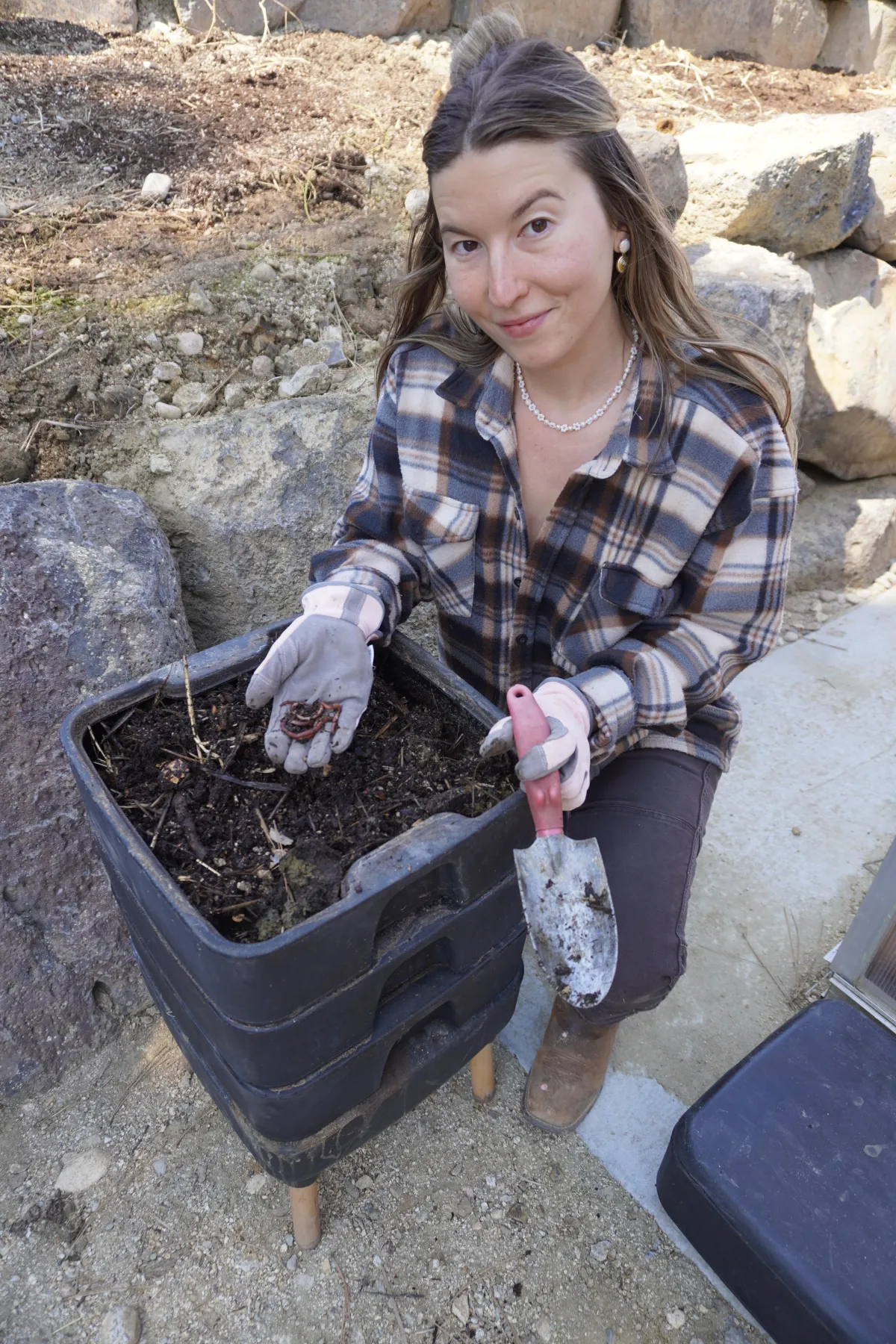
Hey, I'm Annie
I'm not here to sell you a fantasy version of homestead life.
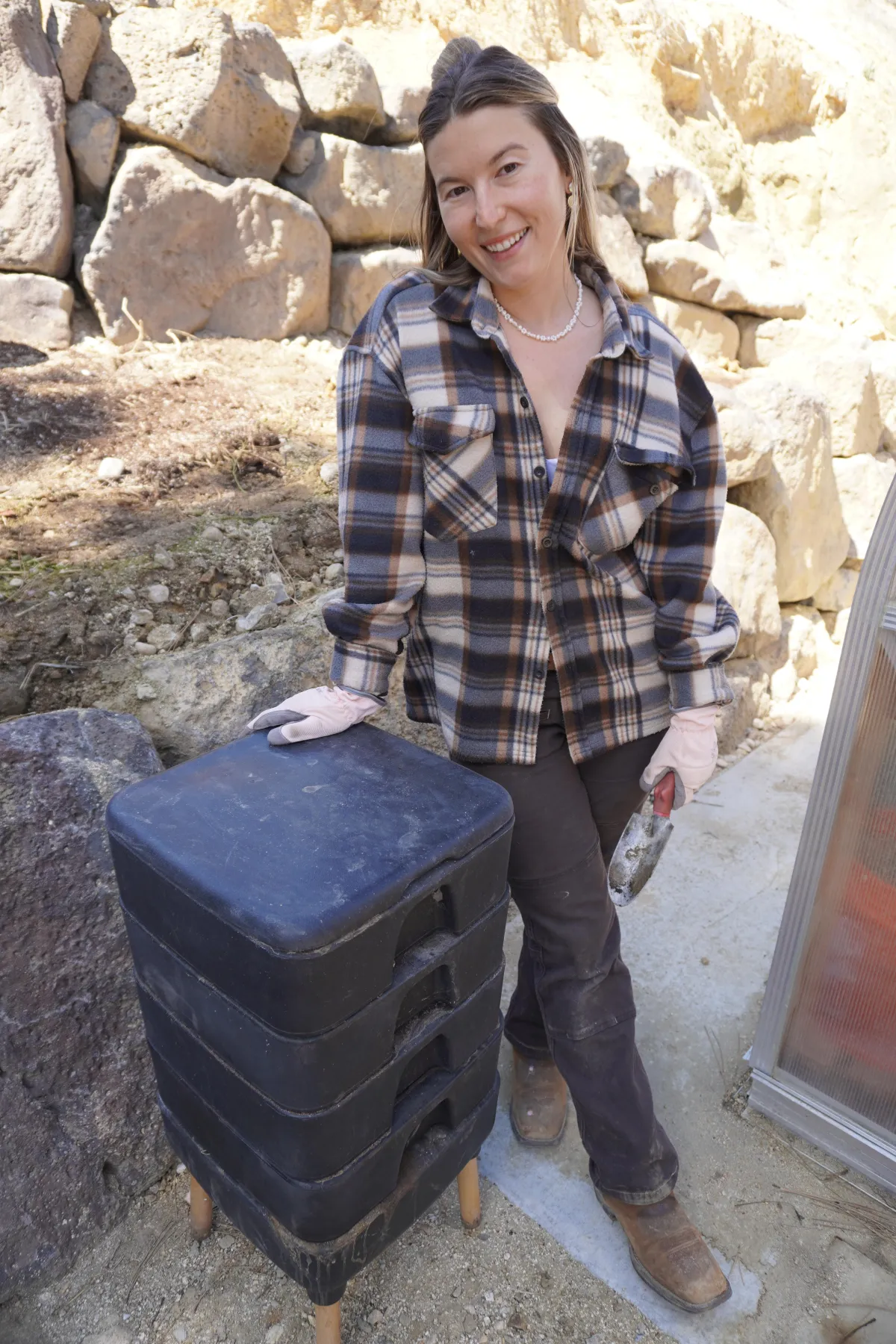
I'm living the real thing — off the grid, in the Idaho mountains, with a flock I hatched myself, a grow room, a greenhouse, and a very strong opinion about what's in your food.
If you found me through the chemtrail content — welcome.
If you found me through the chicken content — also welcome.
They're the same page. Stick around and you'll see why.

Midwest girlie
I grew up in South Dakota. Real food came from someone you knew. Slow living wasn't a trend — it was just Tuesday.
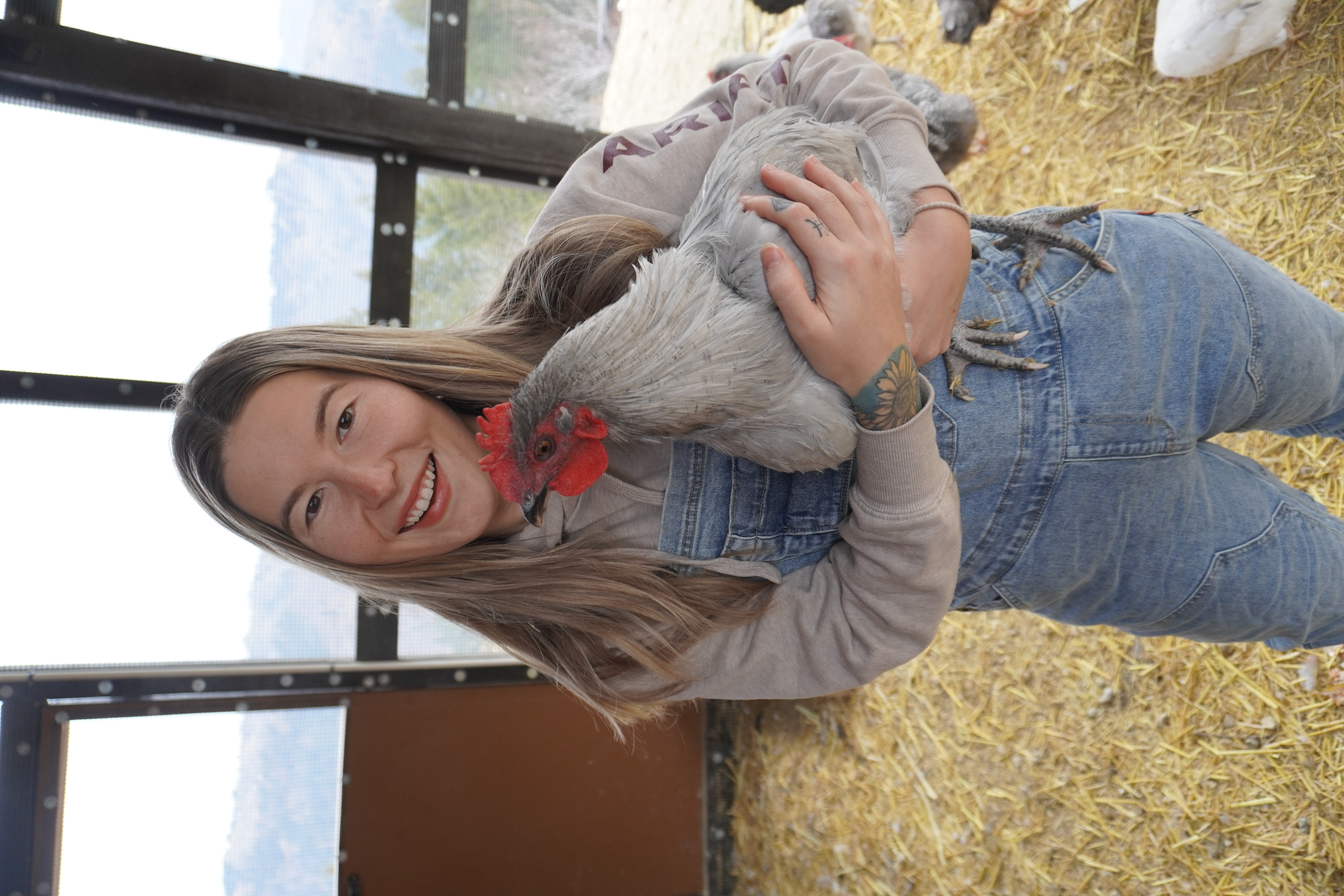
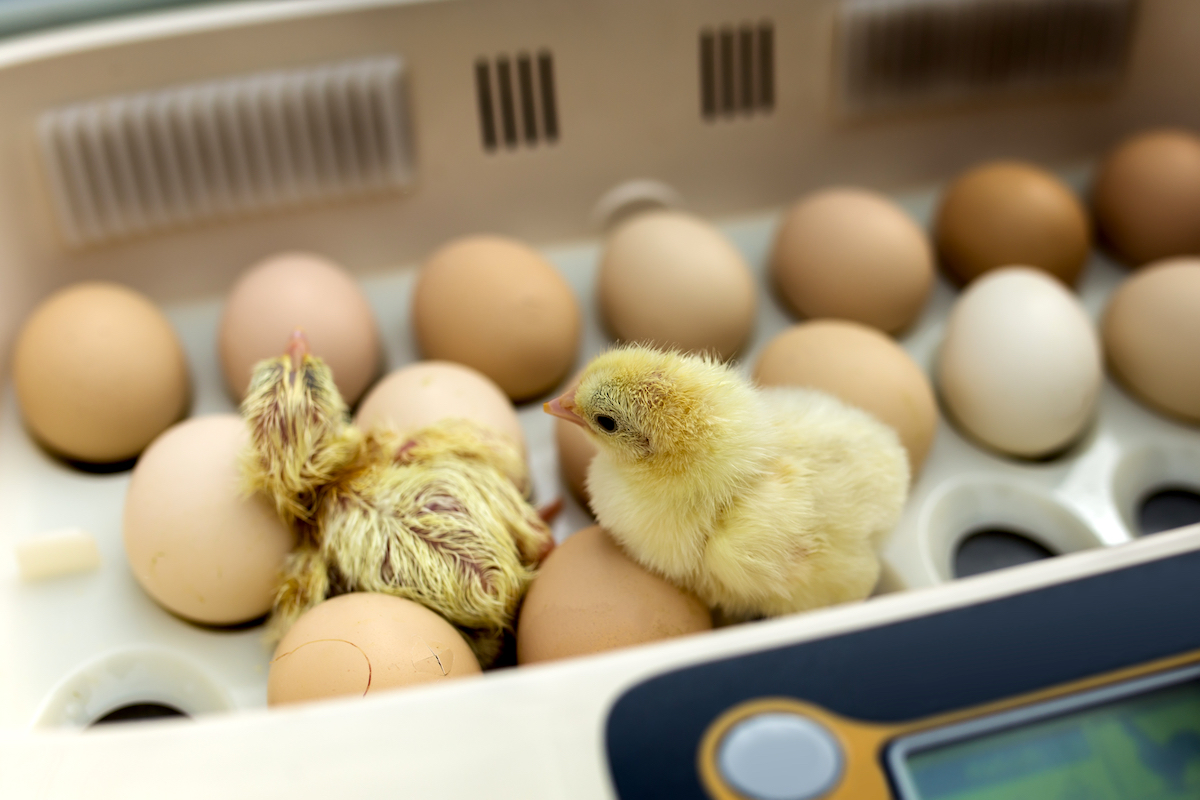
These days I live tucked into the Idaho mountains, off-grid by design. I have a flock of birds I hatched from eggs I collected from birds I raised. I have an indoor grow room and a greenhouse. I source feed with no soy, no corn, no seed oils. My birds free-range on actual Idaho ground every single day.
I didn't move here for the aesthetic. I moved here because the further I got from the supply chain, the better I felt about what I was putting in my body.

Green Thumb Guru
I grow what I eat because I don't trust what I can't trace.
I hatch my own flock because I want to know every part of the chain — what the parent birds ate, what the ground looked like, what went into the egg that went into my breakfast.
I source feed I can read the label on and actually understand. I grow mealworms for my birds because I'd rather know the protein source than trust a bag that says "natural ingredients."
This isn't a hobby. It's the most deliberate thing I do.

Community Builder
I'm not interested in chasing followers.
I'm interested in building a community of people who are asking the same questions I'm asking and doing something about it.
People who are done outsourcing their food supply to a system they don't fully trust.
People who are curious enough to look into it and stubborn enough to do something about it.
If that's you — you found the right page.
Why Trust ME
Because I'm not here to sell you a fantasy — I'm living the real thing.
I didn't grow up doing this. I learned the hard way: one frozen waterer, failed hatch, and rogue rooster at a time.
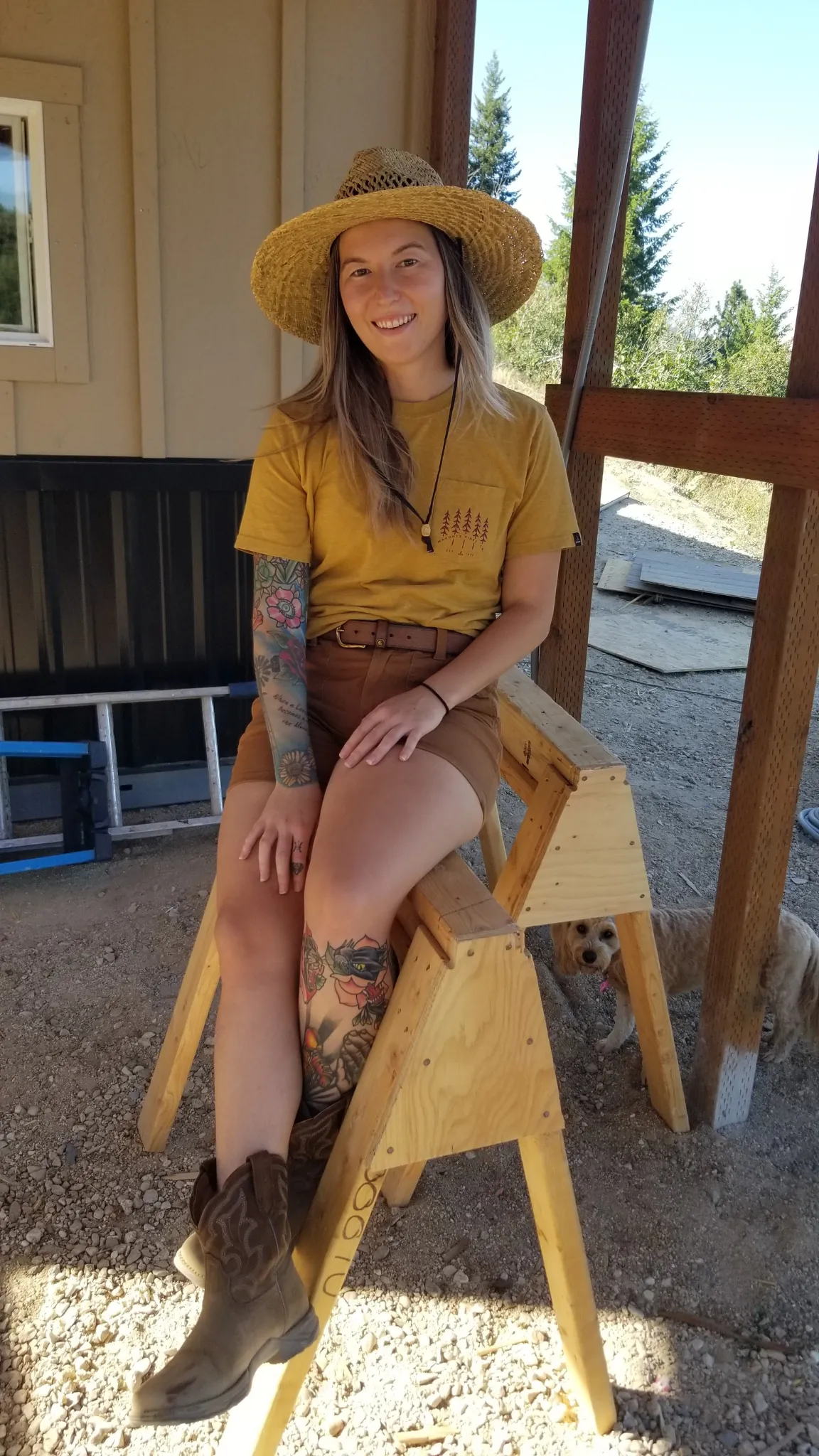
I built my homestead from scratch. Off-grid. In the mountains. With no blueprint and a lot of trial and error.
Here's what I know now that I didn't know then:
The information is out there. But most of it is either dressed up past the point of being useful, or so overwhelming it makes you want to give up before you start.
I share everything — what worked, what failed, what I'd do differently. From mealworms to meat birds. Soil to coop automation. Incubation humidity to lockdown day 18.
I'm not a guru. I'm someone who got fed up with the system, decided to build a way out of it, and documented everything along the way so you don't have to figure it all out alone.
Growing your own food is the most radical act of self-preservation we have left. I take that seriously, and you should too.
So if you want someone who gets it — someone who's walked through the overwhelm and is still walking, still building, still learning — You're in the right place.
Why choose my course
Because Googling every chicken question at midnight isn’t a strategy.
My "Hatch to Harvest" course is the guide I wish I had when I started. Googling your way through a hatch at midnight isn't a system. It's a prayer.
I built Hatch to Harvest because when I started, I couldn't find a single resource that covered the full process — from picking the right egg to harvest day — without either dumbing it down or leaving out the parts that matter.
This is the course I built for myself and made available because you deserve more than a patchwork of YouTube videos and Facebook group opinions.
Everything from brooder setup to harvest. Every step in order. Hard-earned from doing it myself, off-grid, without a team.
It's not for people who want to dabble. It's for people who are ready to raise their own meat, know exactly what they're eating, and stop depending on a supply chain they can't see.
What problems can I solve
If you've ever felt any of this — keep reading...
Overwhelmed by conflicting advice and not sure who to actually trust.
Frustrated by courses that cost a lot and assume you already know things.
Ready to raise your own food but not sure where the first step is.
Done trusting labels and wanting to know the full chain from seed, egg, or chick to what's on your plate.
Suspicious that the food system isn't as stable as everyone says — and wanting to build something that doesn't depend on it.
I've been all of those things.
I'll walk you through every part of this — chickens, food, systems, sourcing — with clear practical steps from someone who's done it the hard way and figured out what actually works.
This isn't about being perfect. It's about being less dependent. One bird, one harvest, one skill at a time.
Read The Blog
Chickens, Local Food, and Community: A Practical Food Resilience Plan
Chickens, Local Food, and Community: A Practical Food Resilience Plan
Food resilience is often presented as an individual project: grow everything, raise animals, preserve every harvest, and become independent from the grocery store. That image may be attractive, but it leaves out the cost, labor, regulations, infrastructure, risk, and relationships that make food systems work.
A more realistic approach connects several smaller sources of support: a pantry, a modest garden, preservation skills, local producers, neighbors, and perhaps animals if they genuinely fit your household.
You do not need to do everything yourself to be more resilient.
Decide what problem you are trying to solve
Before adding chickens, a larger garden, or a local-food buying routine, name the problem.
Are you trying to:
- Lower grocery spending?
- Have eggs available more often?
- Eat more fresh food?
- Prepare for short disruptions?
- Reduce dependence on long-distance supply chains?
- Find better ways to use garden surplus?
- Build relationships with people nearby?
Different problems call for different solutions. Chickens may help with eggs and manure, but they require daily care, housing, feed, water, predator protection, and a plan for illness, injury, aging, and production changes. A local farm share may provide seasonal food without requiring animal care. A neighborhood buying group may improve access without requiring land.
Treat backyard chickens as livestock, not décor
Interest in backyard chickens appears in search and social conversations, including Google Trends data for backyard chickens in the United States. That is an audience signal, not proof that every reader wants a flock or that a flock will save money.
Chickens need dependable daily care. Before getting them, check local laws, zoning, noise rules, limits on flock size, and any restrictions on roosters or slaughter. Consider who will provide care during travel, illness, extreme weather, or emergencies.
Budget for more than the birds. Costs may include a coop, secure run, bedding, feed, water equipment, repairs, veterinary care, replacement birds, and predator protection. Prices vary widely, so do not publish a savings claim without current local numbers and a clear comparison.
Eggs are not guaranteed on your schedule
Egg production changes with age, health, breed, season, daylight, stress, nutrition, and other conditions. A flock is not a machine that produces a fixed number of eggs every day. If your food plan depends on eggs, keep a backup protein plan.
Also plan for the whole animal lifecycle. Young birds mature. Older hens may produce fewer eggs. Illness and injury can happen. Responsible care means making decisions before a problem occurs, not only when a crisis is already underway.
Build predator protection into the plan
Chickens are prey animals. Colorado State University Extension notes that threats can include domestic dogs, snakes, rats, owls, hawks, raccoons, coyotes, bobcats, and other predators. Its chickens and predators guide recommends secure housing, clean surroundings, appropriate fencing, attention to nighttime locking, and predator-aware run design.
A practical setup may include:
- A coop that can be securely closed at night
- A run with appropriately small and strong mesh
- Protection against digging beneath the fence
- Covered areas where aerial predators are a concern
- Clean feed storage and prompt removal of spills
- A routine for checking latches, holes, and weak points
- A plan for hot, cold, wet, and smoky weather
Chicken wire is not automatically predator-proof. Mesh size, wire strength, fasteners, roof coverage, and perimeter protection matter. The right setup depends on local predators and the design of the enclosure.
Do not add birds before you have a safe place to keep them.
Connect chickens to the pantry carefully
If you keep chickens, include them in the same food system as the pantry and garden. Track feed use, egg production, storage, and actual household consumption. Use eggs while they are fresh and follow current food-safety guidance for storage and handling.
Garden scraps are not a complete poultry diet. Do not assume that kitchen leftovers or garden waste can replace balanced feed. Ask a veterinarian, extension service, or poultry specialist about nutrition for your birds and local conditions.
Chicken manure can contribute to soil fertility, but it must be managed appropriately. Fresh manure is not automatically ready to use around every crop. Follow local extension guidance for composting and application, especially for edible crops.
Local food can provide resilience without adding livestock
Local food connections can take many forms:
- Farmers markets
- Community-supported agriculture
- Local farms and ranches
- Community gardens
- Food co-ops
- Neighborhood buying groups
- Food-preservation exchanges where legal and safe
- Seed libraries and gardening groups
- Local extension classes
- Mutual-aid or emergency food networks
The right connection depends on location, budget, transportation, season, storage space, and accessibility. A local source is not automatically cheaper or more available, and seasonal supply can vary. Treat local food as one layer in the system rather than a replacement for every other layer.
Build relationships before you need them
Community resilience is easier to access when relationships exist before a disruption. Start with ordinary exchanges: share surplus herbs, trade garden knowledge, participate in a local class, or ask a neighbor what grows well nearby.
Do not assume every neighbor wants to share labor, food, tools, or personal information. Good community systems respect boundaries and make participation voluntary. Offer clear, small ways to help rather than expecting everyone to adopt the same lifestyle.
Avoid the self-sufficiency trap
No household is completely independent. Even a productive homestead may rely on purchased seed, tools, fuel, medical care, feed, replacement parts, internet access, transportation, or outside knowledge.
That is not failure. Interdependence is normal. A food buffer becomes stronger when it has multiple supports:
- Food you already have at home
- Food you can grow in a manageable amount
- Preservation or storage methods you can use safely
- Local sources you can access
- People and organizations that can help during difficulty
If one layer fails, another may still help. A freezer outage does not erase a pantry. A crop failure does not erase a local market. A sick chicken does not erase your emergency meal plan.
Make the next addition small
Choose one connection to test for a season. You might buy from one local producer, join a community garden, attend a poultry class, or share a garden surplus with a neighbor. Track the real cost, labor, reliability, and usefulness.
If you are considering chickens, first complete a written checklist covering local rules, daily care, housing, predator protection, feed, water, health care, travel coverage, and end-of-life decisions. For readers who want structured instruction, add a [link to the chicken course]. For community-based food planning, add a [link to Annie’s Homestead local food resource].
Your first action this week
Write down one food need you cannot easily meet with your current pantry and garden. Then identify one local source or relationship that could complement your plan. Do not commit to a flock or major purchase until you understand the actual work involved.
Food resilience is not measured by how many responsibilities you can collect. It is measured by whether your household has more practical options when ordinary systems become difficult.
Annie's Homestead is not affiliated by Facebook™ in any way. Facebook™ is a registered trademark of Facebook™ Inc
Branding and Website by RoyalT Studio