



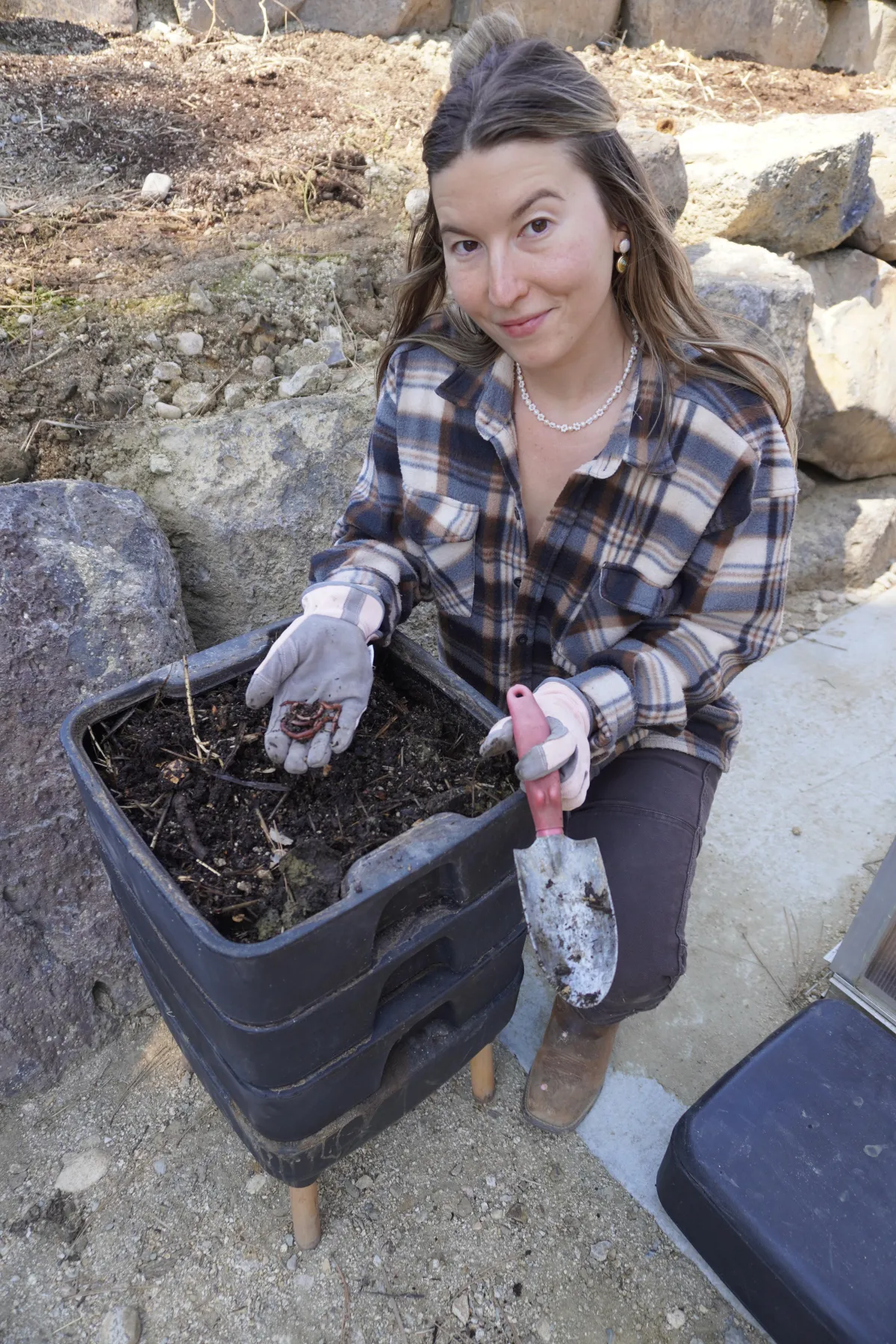
Hey, I'm Annie
I'm not here to sell you a fantasy version of homestead life.
I'm living the real thing — off the grid, in the Idaho mountains, with a flock I hatched myself, a grow room, a greenhouse, and a very strong opinion about what's in your food.
If you found me through the chemtrail content — welcome.
If you found me through the chicken content — also welcome.
They're the same page. Stick around and you'll see why.

Midwest girlie
I grew up in South Dakota. Real food came from someone you knew. Slow living wasn't a trend — it was just Tuesday.
These days I live tucked into the Idaho mountains, off-grid by design. I have a flock of birds I hatched from eggs I collected from birds I raised. I have an indoor grow room and a greenhouse. I source feed with no soy, no corn, no seed oils. My birds free-range on actual Idaho ground every single day.
I didn't move here for the aesthetic. I moved here because the further I got from the supply chain, the better I felt about what I was putting in my body.

Green Thumb Guru
I grow what I eat because I don't trust what I can't trace.
I hatch my own flock because I want to know every part of the chain — what the parent birds ate, what the ground looked like, what went into the egg that went into my breakfast.
I source feed I can read the label on and actually understand. I grow mealworms for my birds because I'd rather know the protein source than trust a bag that says "natural ingredients."
This isn't a hobby. It's the most deliberate thing I do.

Community Builder
I'm not interested in chasing followers.
I'm interested in building a community of people who are asking the same questions I'm asking and doing something about it.
People who are done outsourcing their food supply to a system they don't fully trust.
People who are curious enough to look into it and stubborn enough to do something about it.
If that's you — you found the right page.
Why Trust ME
Because I'm not here to sell you a fantasy — I'm living the real thing.
I didn't grow up doing this. I learned the hard way: one frozen waterer, failed hatch, and rogue rooster at a time.
I built my homestead from scratch. Off-grid. In the mountains. With no blueprint and a lot of trial and error.
Here's what I know now that I didn't know then:
The information is out there. But most of it is either dressed up past the point of being useful, or so overwhelming it makes you want to give up before you start.
I share everything — what worked, what failed, what I'd do differently. From mealworms to meat birds. Soil to coop automation. Incubation humidity to lockdown day 18.
I'm not a guru. I'm someone who got fed up with the system, decided to build a way out of it, and documented everything along the way so you don't have to figure it all out alone.
Growing your own food is the most radical act of self-preservation we have left. I take that seriously, and you should too.
So if you want someone who gets it — someone who's walked through the overwhelm and is still walking, still building, still learning — You're in the right place.
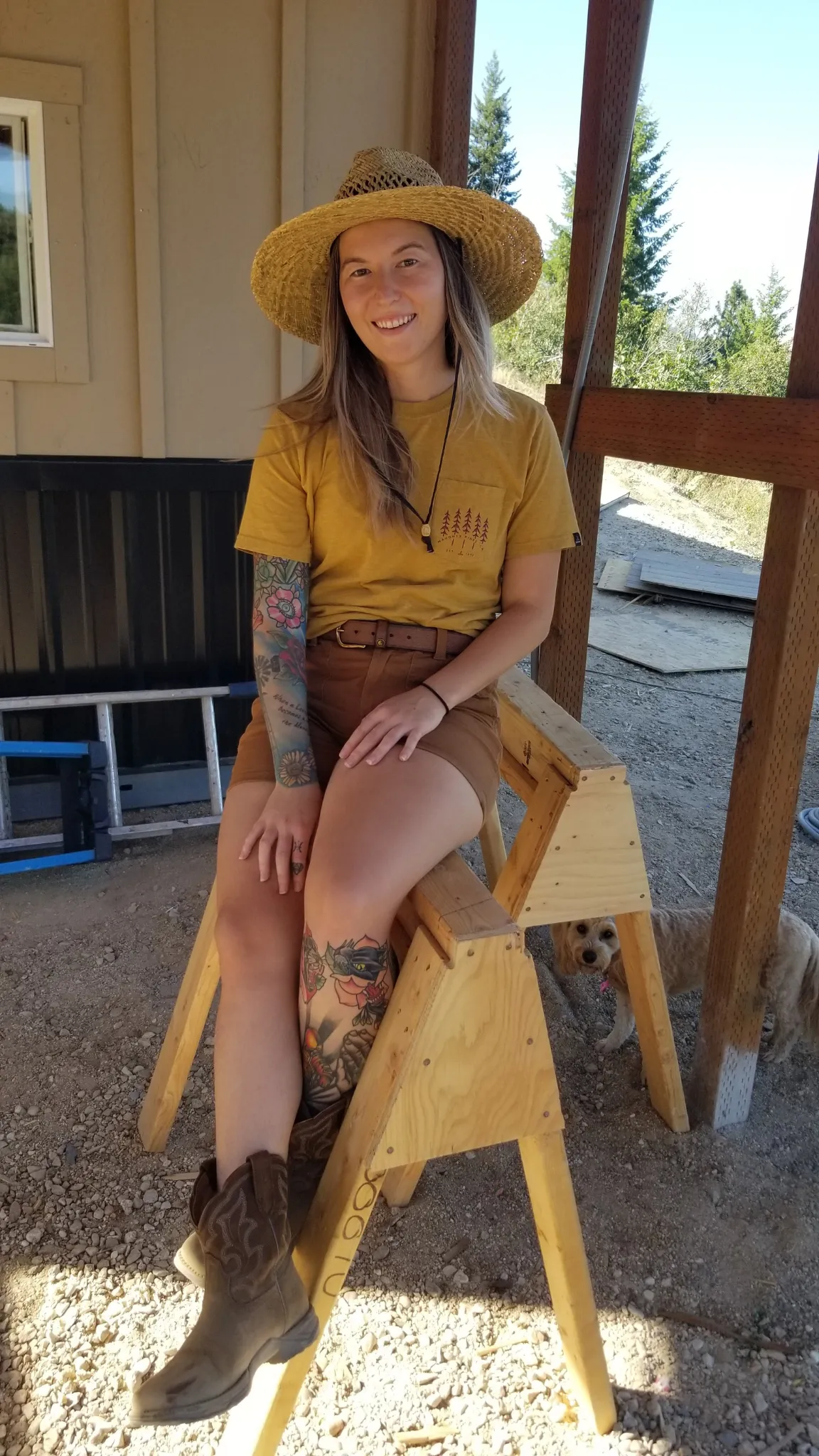
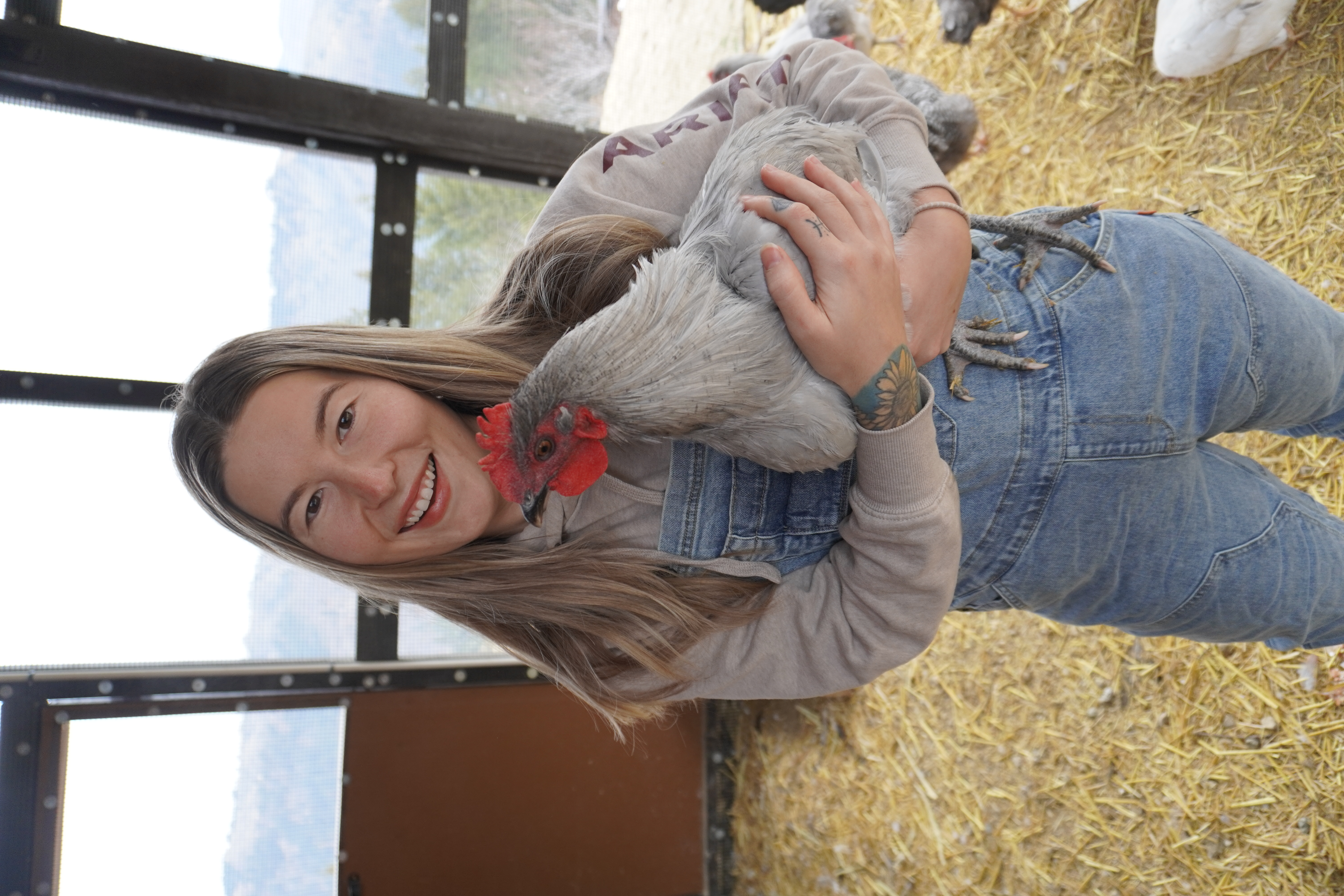
Why choose my course
Because Googling every chicken question at midnight isn’t a strategy.
My "Hatch to Harvest" course is the guide I wish I had when I started. Googling your way through a hatch at midnight isn't a system. It's a prayer.
I built Hatch to Harvest because when I started, I couldn't find a single resource that covered the full process — from picking the right egg to harvest day — without either dumbing it down or leaving out the parts that matter.
This is the course I built for myself and made available because you deserve more than a patchwork of YouTube videos and Facebook group opinions.
Everything from brooder setup to harvest. Every step in order. Hard-earned from doing it myself, off-grid, without a team.
It's not for people who want to dabble. It's for people who are ready to raise their own meat, know exactly what they're eating, and stop depending on a supply chain they can't see.
What problems can I solve
If you've ever felt any of this — keep reading...
Overwhelmed by conflicting advice and not sure who to actually trust.
Frustrated by courses that cost a lot and assume you already know things.
Ready to raise your own food but not sure where the first step is.
Done trusting labels and wanting to know the full chain from seed, egg, or chick to what's on your plate.
Suspicious that the food system isn't as stable as everyone says — and wanting to build something that doesn't depend on it.
I've been all of those things.
I'll walk you through every part of this — chickens, food, systems, sourcing — with clear practical steps from someone who's done it the hard way and figured out what actually works.
This isn't about being perfect. It's about being less dependent. One bird, one harvest, one skill at a time.
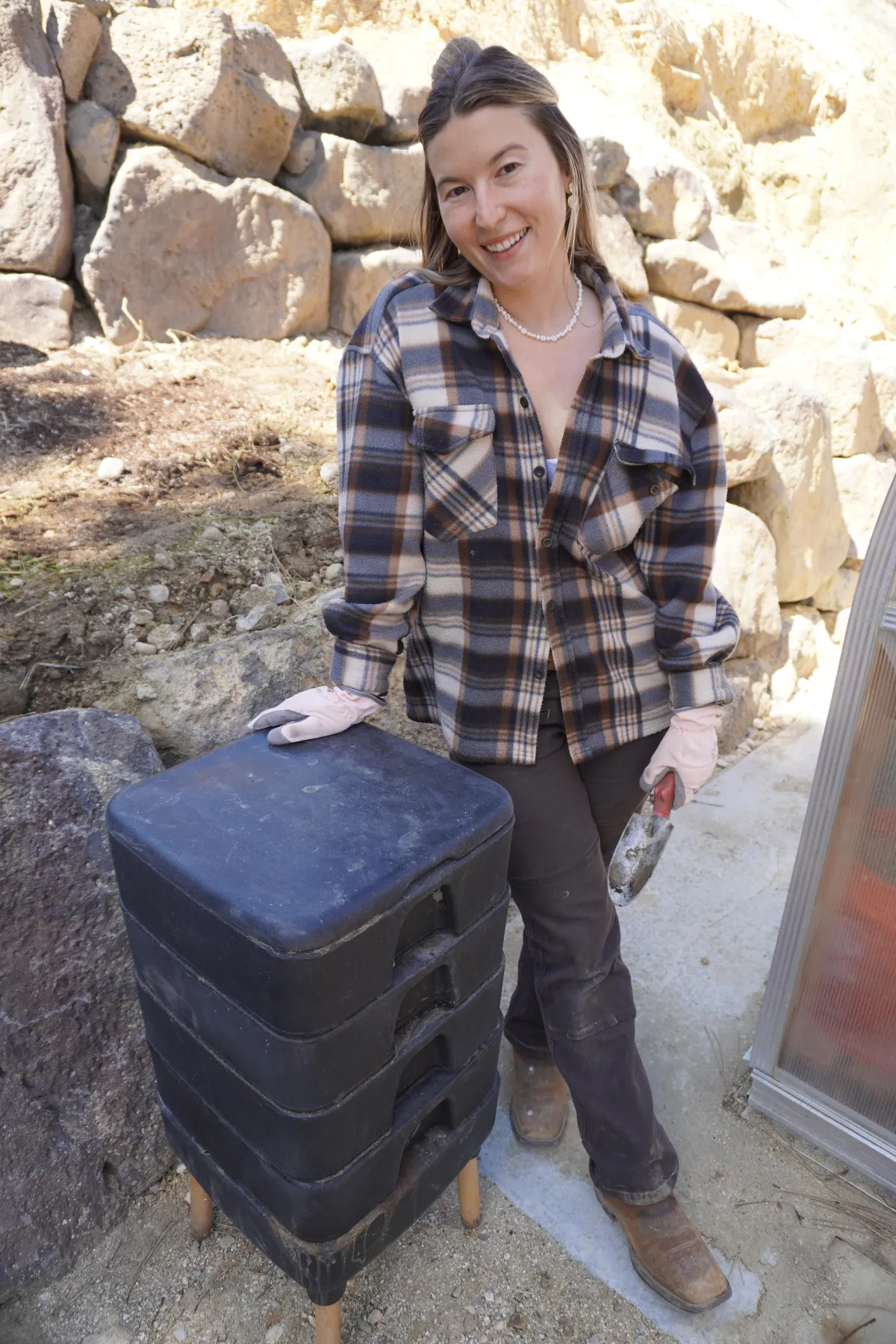
Read The Blog
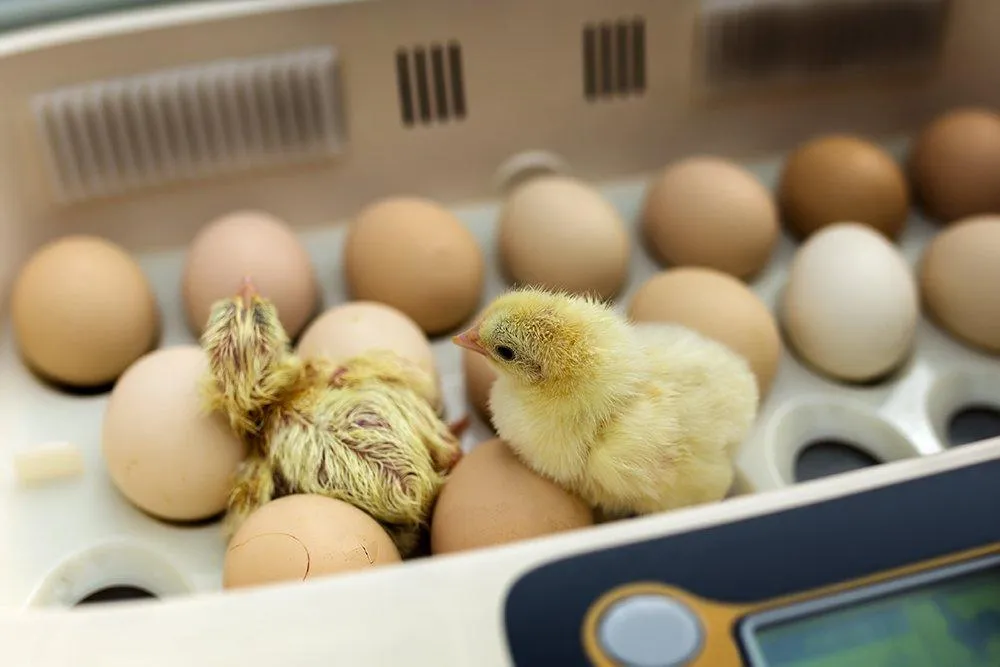
Why You Should Incubate Your Own Chicken Eggs
Why You Should Incubate Your Own Chicken Eggs
If you've ever considered raising backyard chickens, hatching your own eggs is one of the most rewarding experiences you can have as a homesteader. Whether you’re a beginner or a seasoned chicken keeper, incubating eggs at home gives you full control over your flock, saves money, and offers an invaluable hands-on learning experience.
But beyond the excitement of watching fluffy chicks hatch, there are real, practical benefits to incubating your own eggs rather than buying from a hatchery or local farm supply store.
In this guide, we’ll dive into why incubating eggs is worth your time, the benefits for both homesteaders and small-scale farmers, and how you can get started on your own hatching journey.
What is Egg Incubation?
Egg incubation is the process of artificially hatching fertile eggs by providing the right temperature, humidity, and ventilation conditions—without the need for a broody hen. It mimics a mother hen’s natural warmth and turning process, allowing the embryo inside the egg to develop into a healthy chick over 21 days.
By using an incubator, you can hatch eggs at home anytime, giving you complete control over the process.
Why Incubate Your Own Eggs Instead of Buying Chicks?
Many new chicken keepers purchase day-old chicks from hatcheries or feed stores, but there are several reasons why incubating your own eggs is the better choice.
1. Full Control Over Your Flock 🐣
When you hatch your own eggs, you get to select the genetics and health of your birds.
✔ Breed Selection – Want hardy winter birds? Good egg layers? Friendly backyard pets? Incubating lets you choose the exact breeds that fit your needs.
✔ Stronger Immune Systems – Chicks raised in their home environment from day one develop natural immunity to local bacteria and diseases.
✔ Avoid Hatchery Stress – Store-bought chicks are often exposed to shipping stress, illnesses, and overcrowding. Home-hatched chicks grow up stronger and healthier.
2. Cost Savings & Self-Sufficiency 💰
Raising chickens can get expensive, especially when you’re buying chicks year after year. Hatching your own is an affordable and sustainable way to expand your flock.
✔ Hatch for Less – A dozen fertilized eggs cost significantly less than a dozen live chicks from a hatchery.
✔ No Shipping Costs – Ordering chicks online can rack up expensive shipping fees. Incubation eliminates that entirely.
✔ Endless Flock Growth – Once you have an incubator, you can hatch as many chicks as you need without additional cost.
3. A Hands-On Learning Experience 📚
Incubating eggs is one of the most fascinating and educational experiences, especially for families and homesteaders looking to deepen their understanding of poultry care.
✔ Learn About Embryo Development – Watching an egg develop from fertilization to hatching is an incredible lesson in biology and life cycles.
✔ Great for Kids & Families – Incubating teaches patience, responsibility, and hands-on farm skills.
✔ Build Animal Husbandry Skills – You’ll gain confidence in poultry care, from monitoring incubation conditions to raising healthy chicks.
4. Biosecurity & Chick Health 🦠
One of the biggest downsides of buying chicks from large-scale hatcheries is the risk of disease transmission. When you hatch your own, you reduce biosecurity risks and maintain a controlled environment for your flock.
✔ Lower Disease Risk – Hatchery chicks can carry respiratory illnesses, parasites, and bacterial infections like Salmonella. Home-hatched chicks are safer.
✔ Controlled Environment – You get to ensure that your chicks hatch in clean, stress-free conditions without exposure to external pathogens.
5. Hatch Rare & Heritage Breeds 🐓
Hatcheries and farm stores typically carry only common production breeds like Rhode Island Reds and Leghorns. If you want rare, heritage, or specialty chickens, incubating eggs is the best way to introduce them to your flock.
✔ Preserve Rare Breeds – Many heritage breeds are at risk of disappearing. Incubating eggs helps keep these genetics alive.
✔ Customize Your Flock – Hatch unique breeds that match your homestead’s climate, egg-laying needs, and temperament preferences.
Common Concerns About Egg Incubation
(And Why They Shouldn’t Stop You)
“Incubating eggs sounds complicated.”
Not at all! With a good-quality incubator and a step-by-step incubation guide (like ours!), anyone can hatch healthy chicks.
“What if the eggs don’t hatch?”
While not every egg will hatch, following best practices—like monitoring humidity, temperature, and egg turning—can give you a high hatch rate.
“Isn’t it easier to let a hen do it?”
Broody hens can be unreliable. Some abandon their eggs, while others stop sitting too soon. With an incubator, you control the outcome.
How to Get Started With Incubation
Ready to hatch your own eggs? Here’s what you’ll need:
✔ Fertilized Eggs – Get high-quality, fertilized eggs from a trusted breeder or your own flock’s rooster.
✔ Incubator – Choose a reliable model with accurate temperature and humidity controls.
✔ Thermometer & Hygrometer – These tools help maintain the correct incubation environment.
✔ Patience! – Incubation takes 21 days, with daily monitoring and care.
Step-by-Step Incubation Process
1️⃣ Set Up Your Incubator – Ensure proper temperature (99.5°F for forced air, 101-102°F for still air).
2️⃣ Maintain Humidity – Keep humidity levels around 45-50% during the first 18 days, increasing to 65-70% for hatching.
3️⃣ Turn the Eggs – Rotate eggs at least 3-5 times a day to prevent the embryo from sticking to the shell.
4️⃣ Lockdown on Day 18 – Stop turning eggs and let humidity rise for the final days before hatch.
5️⃣ Hatch Day! – Chicks will start pipping and hatching around day 21. Let them dry before moving to a brooder.
🔹 Want a detailed step-by-step guide? Grab our Egg Incubation Guide for everything you need to hatch your own chicks successfully!
Is Incubating Eggs Right for You?
If you’re passionate about raising chickens, self-sufficiency, and having full control over your flock, incubating eggs is 100% worth it. Not only does it save money, but it’s also an incredibly rewarding experience that deepens your connection with your homestead.
If you’re ready to start hatching, be sure to grab our Egg Incubation Guide to learn everything you need to know about incubation, chick care, and ensuring a successful hatch.
🐣 Have you incubated eggs before? Drop a comment below with your experiences or any questions you have!

Annie's Homestead is not affiliated by Facebook™ in any way. Facebook™ is a registered trademark of Facebook™ Inc
Branding and Website by RoyalT Studio