



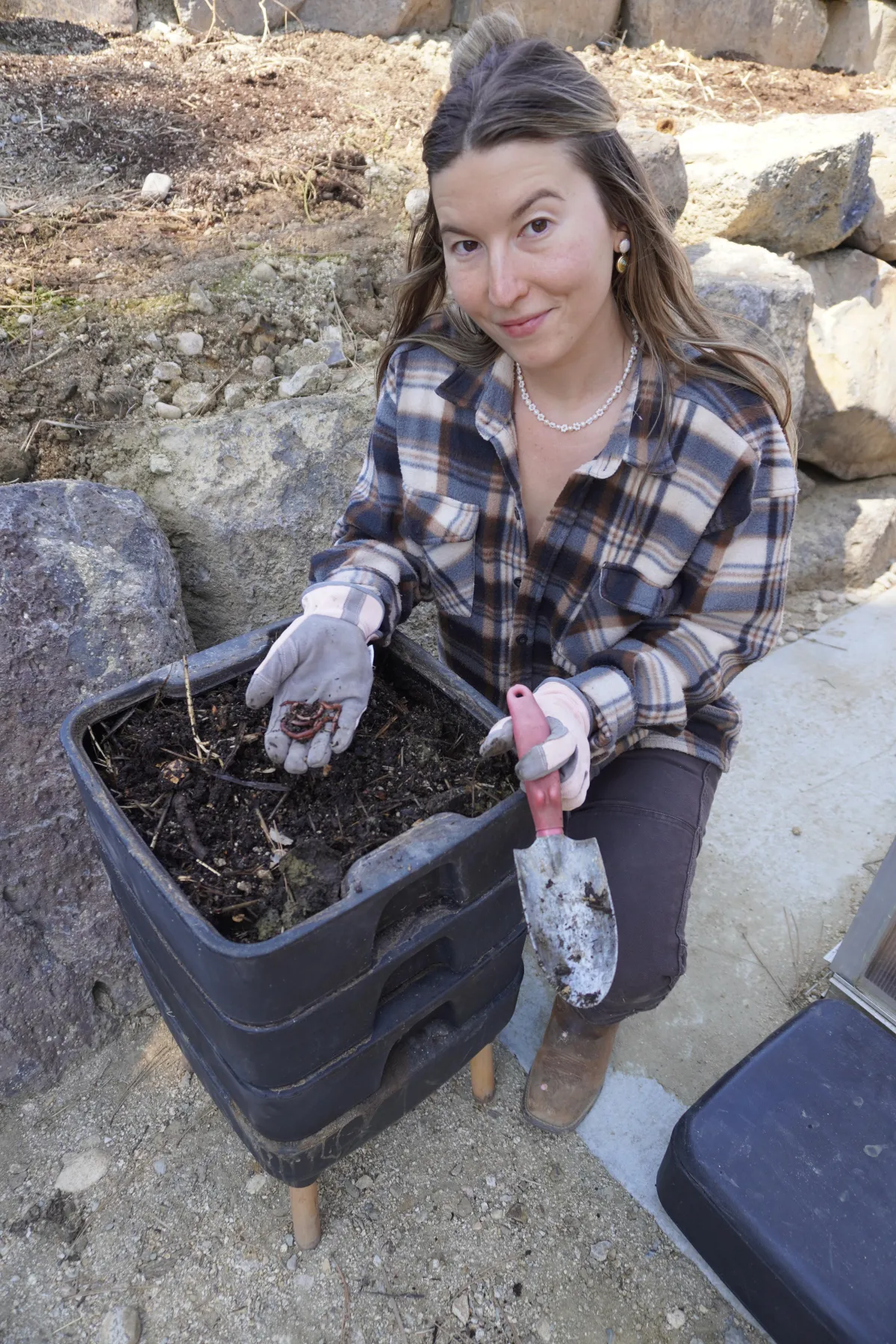
Hey, I'm Annie
I'm not here to sell you a fantasy version of homestead life.
I'm living the real thing — off the grid, in the Idaho mountains, with a flock I hatched myself, a grow room, a greenhouse, and a very strong opinion about what's in your food.
If you found me through the chemtrail content — welcome.
If you found me through the chicken content — also welcome.
They're the same page. Stick around and you'll see why.

Midwest girlie
I grew up in South Dakota. Real food came from someone you knew. Slow living wasn't a trend — it was just Tuesday.
These days I live tucked into the Idaho mountains, off-grid by design. I have a flock of birds I hatched from eggs I collected from birds I raised. I have an indoor grow room and a greenhouse. I source feed with no soy, no corn, no seed oils. My birds free-range on actual Idaho ground every single day.
I didn't move here for the aesthetic. I moved here because the further I got from the supply chain, the better I felt about what I was putting in my body.

Green Thumb Guru
I grow what I eat because I don't trust what I can't trace.
I hatch my own flock because I want to know every part of the chain — what the parent birds ate, what the ground looked like, what went into the egg that went into my breakfast.
I source feed I can read the label on and actually understand. I grow mealworms for my birds because I'd rather know the protein source than trust a bag that says "natural ingredients."
This isn't a hobby. It's the most deliberate thing I do.

Community Builder
I'm not interested in chasing followers.
I'm interested in building a community of people who are asking the same questions I'm asking and doing something about it.
People who are done outsourcing their food supply to a system they don't fully trust.
People who are curious enough to look into it and stubborn enough to do something about it.
If that's you — you found the right page.
Why Trust ME
Because I'm not here to sell you a fantasy — I'm living the real thing.
I didn't grow up doing this. I learned the hard way: one frozen waterer, failed hatch, and rogue rooster at a time.
I built my homestead from scratch. Off-grid. In the mountains. With no blueprint and a lot of trial and error.
Here's what I know now that I didn't know then:
The information is out there. But most of it is either dressed up past the point of being useful, or so overwhelming it makes you want to give up before you start.
I share everything — what worked, what failed, what I'd do differently. From mealworms to meat birds. Soil to coop automation. Incubation humidity to lockdown day 18.
I'm not a guru. I'm someone who got fed up with the system, decided to build a way out of it, and documented everything along the way so you don't have to figure it all out alone.
Growing your own food is the most radical act of self-preservation we have left. I take that seriously, and you should too.
So if you want someone who gets it — someone who's walked through the overwhelm and is still walking, still building, still learning — You're in the right place.
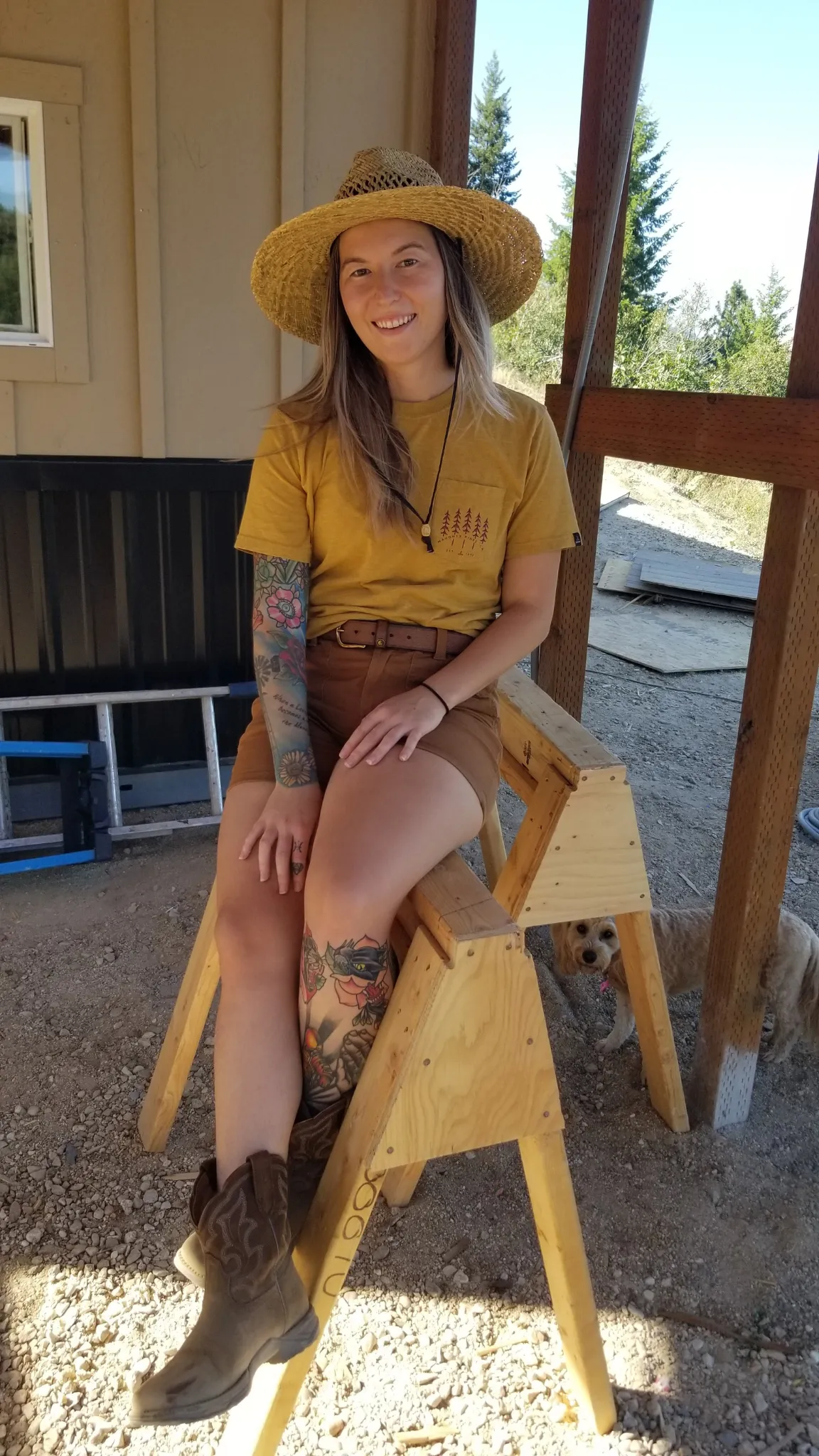
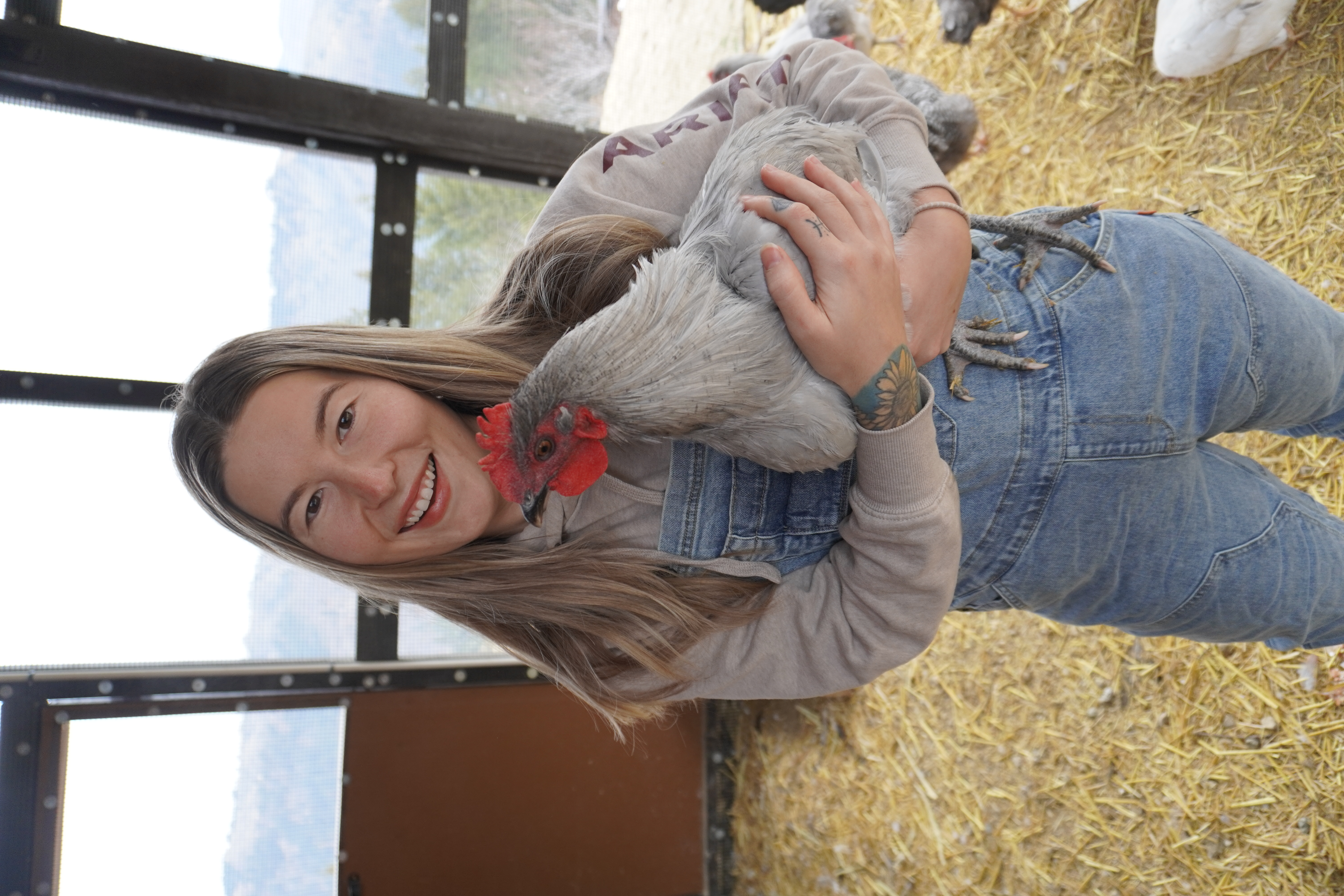
Why choose my course
Because Googling every chicken question at midnight isn’t a strategy.
My "Hatch to Harvest" course is the guide I wish I had when I started. Googling your way through a hatch at midnight isn't a system. It's a prayer.
I built Hatch to Harvest because when I started, I couldn't find a single resource that covered the full process — from picking the right egg to harvest day — without either dumbing it down or leaving out the parts that matter.
This is the course I built for myself and made available because you deserve more than a patchwork of YouTube videos and Facebook group opinions.
Everything from brooder setup to harvest. Every step in order. Hard-earned from doing it myself, off-grid, without a team.
It's not for people who want to dabble. It's for people who are ready to raise their own meat, know exactly what they're eating, and stop depending on a supply chain they can't see.
What problems can I solve
If you've ever felt any of this — keep reading...
Overwhelmed by conflicting advice and not sure who to actually trust.
Frustrated by courses that cost a lot and assume you already know things.
Ready to raise your own food but not sure where the first step is.
Done trusting labels and wanting to know the full chain from seed, egg, or chick to what's on your plate.
Suspicious that the food system isn't as stable as everyone says — and wanting to build something that doesn't depend on it.
I've been all of those things.
I'll walk you through every part of this — chickens, food, systems, sourcing — with clear practical steps from someone who's done it the hard way and figured out what actually works.
This isn't about being perfect. It's about being less dependent. One bird, one harvest, one skill at a time.
Read The Blog
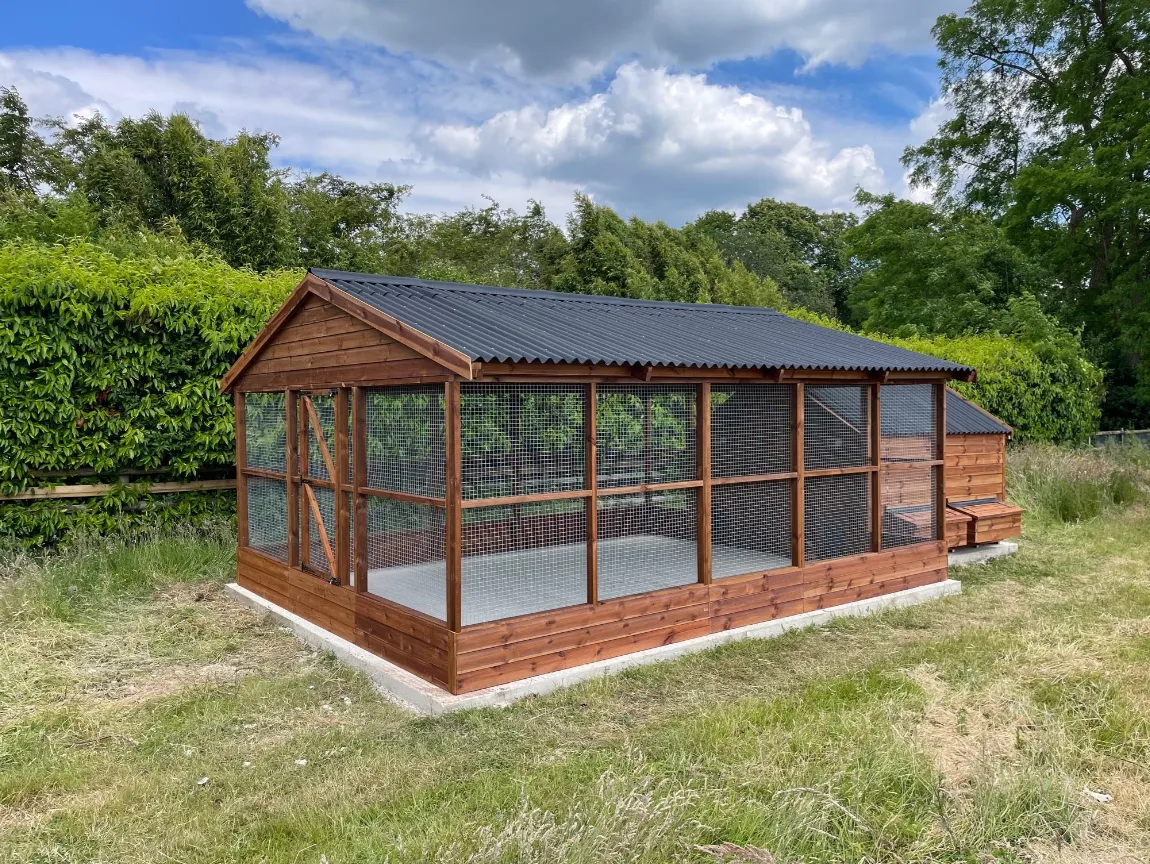
Free Range vs Chicken Run: What’s Better for Your Flock?
Do You Let Your Chickens Free Range or Keep Them in a Run?
This is one of the first real decisions people face after getting chickens. But hopefully you already have this figured out before getting birds.
Because once your birds are out of the brooder and into the real world, you’re no longer just raising chickens. You’re now going to be managing a system.
And that system usually lands somewhere between two options:
Free range… or a run.
What you’re really deciding is how much freedom your birds have, how much control you keep, and how much risk you’re willing to carry.
What “Free Range” Actually Means
Free ranging is exactly what it sounds like.
You open the door, and your birds have access to move beyond a confined space. They scratch, forage, wander, and spread out across whatever land you give them.
For a lot of people, this is the picture they had in mind before they ever bought chickens.
And there’s a reason for that.
Chickens that can roam tend to behave differently. They move more. They forage more. They interact with their environment instead of just existing inside of it. Their diet often expands to include bugs, greens, and whatever they can find on the ground, which can influence egg quality and yolk color in noticeable ways.
It feels closer to what people think raising animals should look like.
But free ranging isn’t just a lifestyle choice.
It’s a tradeoff.
The Part of Free Ranging People Learn the Hard Way
The freedom that makes free ranging appealing is the same thing that makes it unpredictable.
Once birds are no longer contained, you lose a level of control.
They don’t stay where you want them.
They don’t avoid the areas you care about.
And they definitely don’t understand the concept of “off limits.”
Gardens get scratched up. Landscaping gets torn through. And sooner or later, predators notice.
That’s the part that shifts people’s perspective quickly.
Because losing a bird changes the conversation.
Free ranging can absolutely work. But it works best when it’s intentional, not passive. It’s not just opening the coop door and hoping for the best. It’s understanding your land, your predator pressure, and your own willingness to monitor what’s happening.
What It Means to Keep Chickens in a Run
A run is the opposite end of the spectrum.
It’s a defined, enclosed outdoor space connected to your coop. Your birds still get sunlight, fresh air, and room to move, but within boundaries that you control.
That control is the reason so many people choose it. It gives us much more peace of mind and a strong layer of safety.
When chickens are in a run, you know where they are. You know where they’re going. You know what they’re getting into.
It reduces the risk of predators.
It protects your garden.
It creates a predictable daily routine.
And for a lot of backyard setups, that predictability matters.
Where Runs Fall Short
Containment solves one set of problems, but it creates another.
Chickens are built to move, scratch, and forage. When they’re kept in the same confined space day after day, the ground changes. It gets compacted. It gets worn down. It can turn into mud or dust depending on your climate.
You start relying more heavily on feed instead of letting them supplement naturally. You take on more responsibility for enrichment, cleanliness, and overall flock health.
None of that makes a run a bad option.
It just means it’s not a “set it and forget it” solution either.
Like free ranging, it works best when it’s managed with intention.
The System I Use (And Why I Don’t Pick Just One)
I don’t fully free range my birds, and I don’t keep them locked in a run all the time either.
I use both.
My chickens have a run. That’s their base. That’s where they’re safe, contained, and easy to manage.
But when I want them to have more space, I open that run and let them out into a larger area that I’ve set up using electric netting.
That netting creates an exterior perimeter around them so they’re not wandering the entire property, and I’m not chasing chickens around or dealing with constant losses from predators. But they still get to move, forage, and behave like chickens outside of a confined pen, which is really important to us.
It gives me flexibility and peace of mind, for the most part.
I can control when they’re out.
I can control where they go.
And I can adjust based on what’s happening on the property. The fence is easy to turn off and move when the birds have eaten all the green in their current area. And in the winter, the fence comes down and the birds stay in the run and the coop all winter long. The electric fencing doesn't work great when it's covered in 4+ feet of snow.
This balance is what makes our system work.
Free Range vs Run: What Actually Matters
Most people ask which option is better.
That’s not the most useful question.
Because both systems work, and both systems fail, depending on how they’re managed.
Free ranging works when you understand the risks and build around them.
Runs work when you maintain them and don’t treat them like a permanent holding space without upkeep.
And hybrid systems work when you’re willing to stay involved.
What matters most isn’t the label you put on your setup.
It’s whether your system:
Keeps your birds safe
Fits your daily routine
Works with your land and your goals
So Which One Should You Choose?
If you want maximum freedom for your birds and you’re comfortable with some unpredictability, free ranging may make sense.
If you want structure, safety, and control, a run is a solid option.
If you want both, you don’t have to choose.
You can build a system that gives your birds access to more space without giving up control entirely. It's up to you. I'm just here giving you my experience.
I will always encourage you to start simple and pay attention to what’s happening. Then, just adjust as needed.
That’s how most strong homestead systems are built anyway.
Annie's Homestead is not affiliated by Facebook™ in any way. Facebook™ is a registered trademark of Facebook™ Inc
Branding and Website by RoyalT Studio