



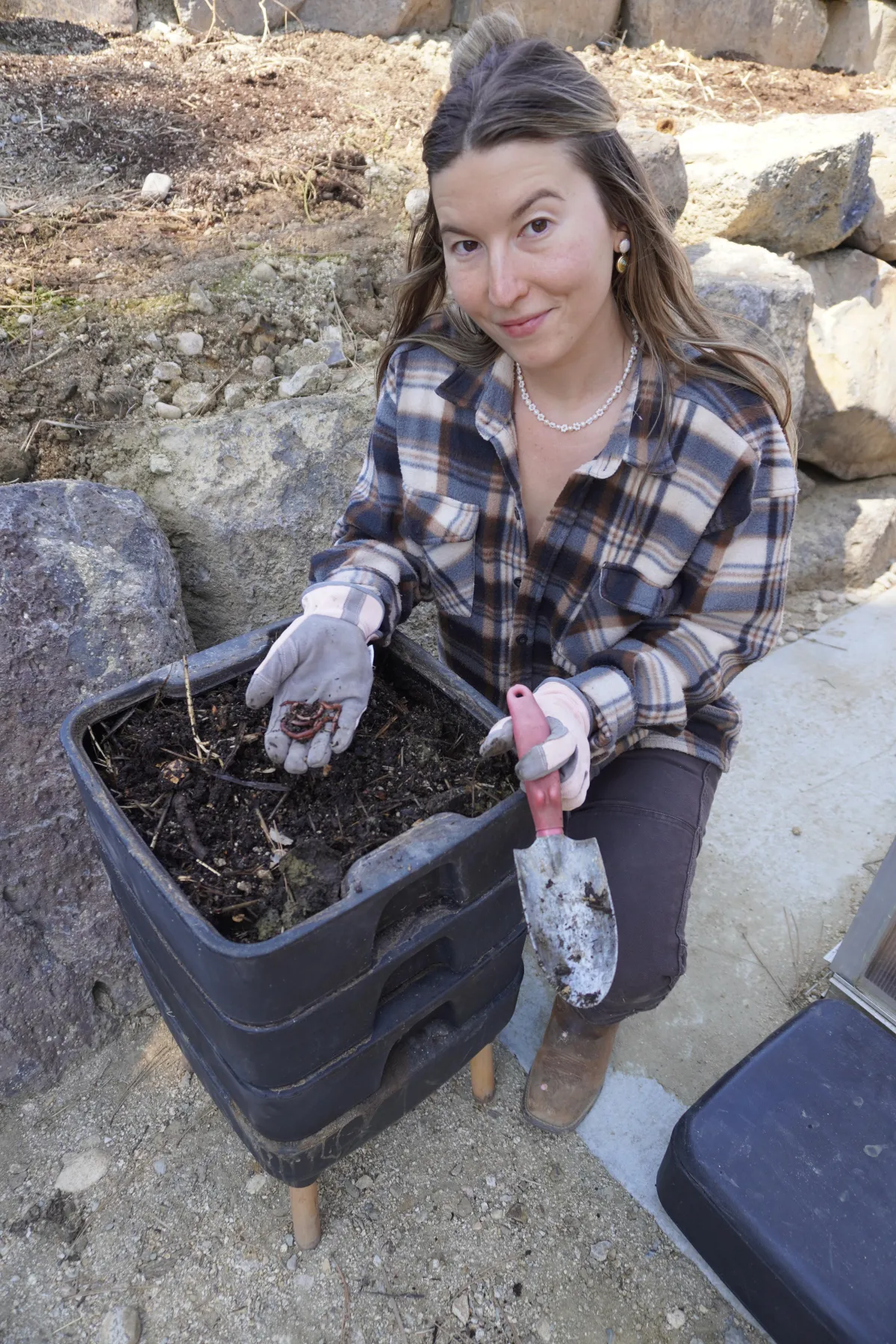
Hey, I'm Annie
I'm not here to sell you a fantasy version of homestead life.
I'm living the real thing — off the grid, in the Idaho mountains, with a flock I hatched myself, a grow room, a greenhouse, and a very strong opinion about what's in your food.
If you found me through the chemtrail content — welcome.
If you found me through the chicken content — also welcome.
They're the same page. Stick around and you'll see why.

Midwest girlie
I grew up in South Dakota. Real food came from someone you knew. Slow living wasn't a trend — it was just Tuesday.
These days I live tucked into the Idaho mountains, off-grid by design. I have a flock of birds I hatched from eggs I collected from birds I raised. I have an indoor grow room and a greenhouse. I source feed with no soy, no corn, no seed oils. My birds free-range on actual Idaho ground every single day.
I didn't move here for the aesthetic. I moved here because the further I got from the supply chain, the better I felt about what I was putting in my body.

Green Thumb Guru
I grow what I eat because I don't trust what I can't trace.
I hatch my own flock because I want to know every part of the chain — what the parent birds ate, what the ground looked like, what went into the egg that went into my breakfast.
I source feed I can read the label on and actually understand. I grow mealworms for my birds because I'd rather know the protein source than trust a bag that says "natural ingredients."
This isn't a hobby. It's the most deliberate thing I do.

Community Builder
I'm not interested in chasing followers.
I'm interested in building a community of people who are asking the same questions I'm asking and doing something about it.
People who are done outsourcing their food supply to a system they don't fully trust.
People who are curious enough to look into it and stubborn enough to do something about it.
If that's you — you found the right page.
Why Trust ME
Because I'm not here to sell you a fantasy — I'm living the real thing.
I didn't grow up doing this. I learned the hard way: one frozen waterer, failed hatch, and rogue rooster at a time.
I built my homestead from scratch. Off-grid. In the mountains. With no blueprint and a lot of trial and error.
Here's what I know now that I didn't know then:
The information is out there. But most of it is either dressed up past the point of being useful, or so overwhelming it makes you want to give up before you start.
I share everything — what worked, what failed, what I'd do differently. From mealworms to meat birds. Soil to coop automation. Incubation humidity to lockdown day 18.
I'm not a guru. I'm someone who got fed up with the system, decided to build a way out of it, and documented everything along the way so you don't have to figure it all out alone.
Growing your own food is the most radical act of self-preservation we have left. I take that seriously, and you should too.
So if you want someone who gets it — someone who's walked through the overwhelm and is still walking, still building, still learning — You're in the right place.
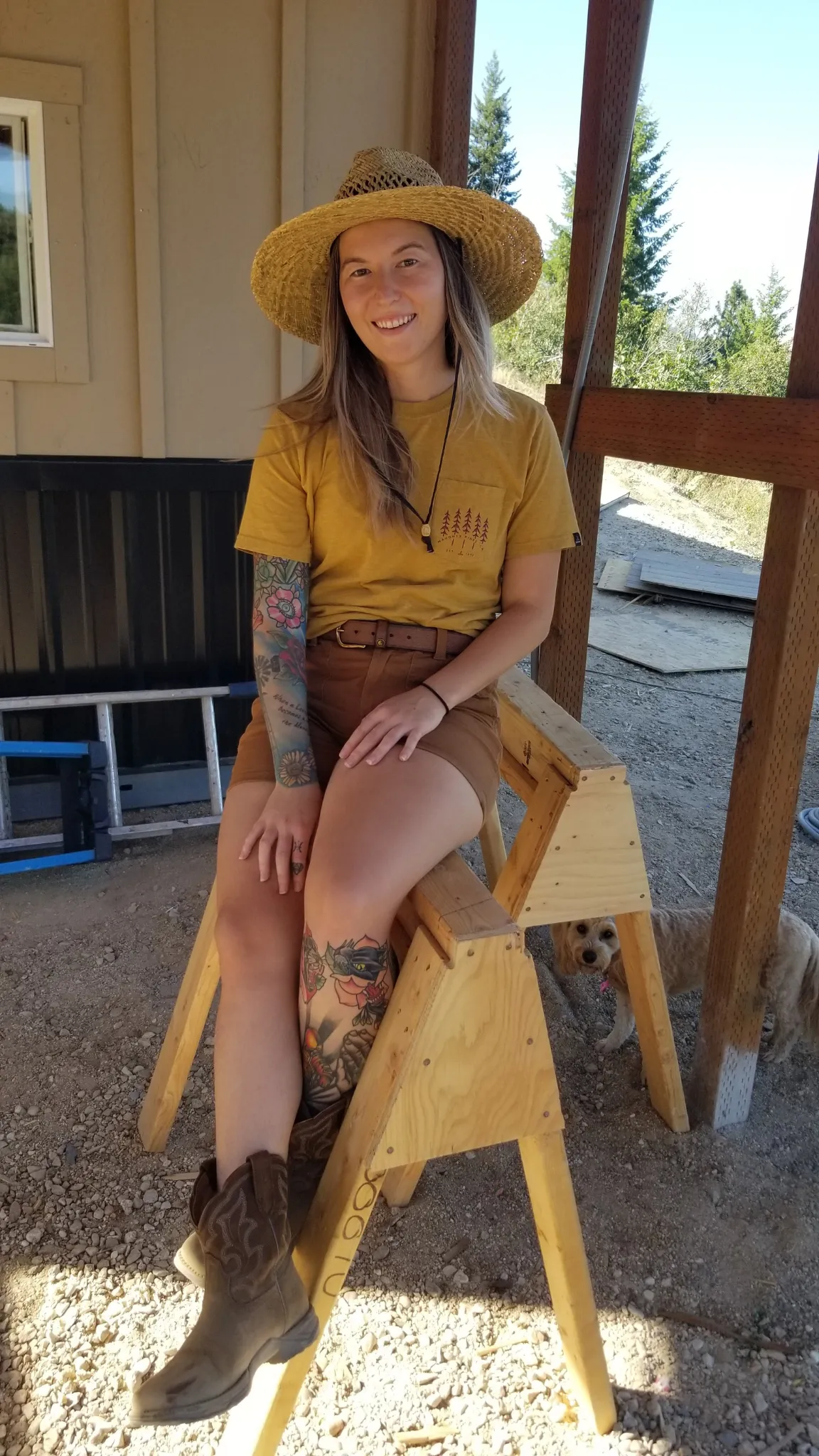
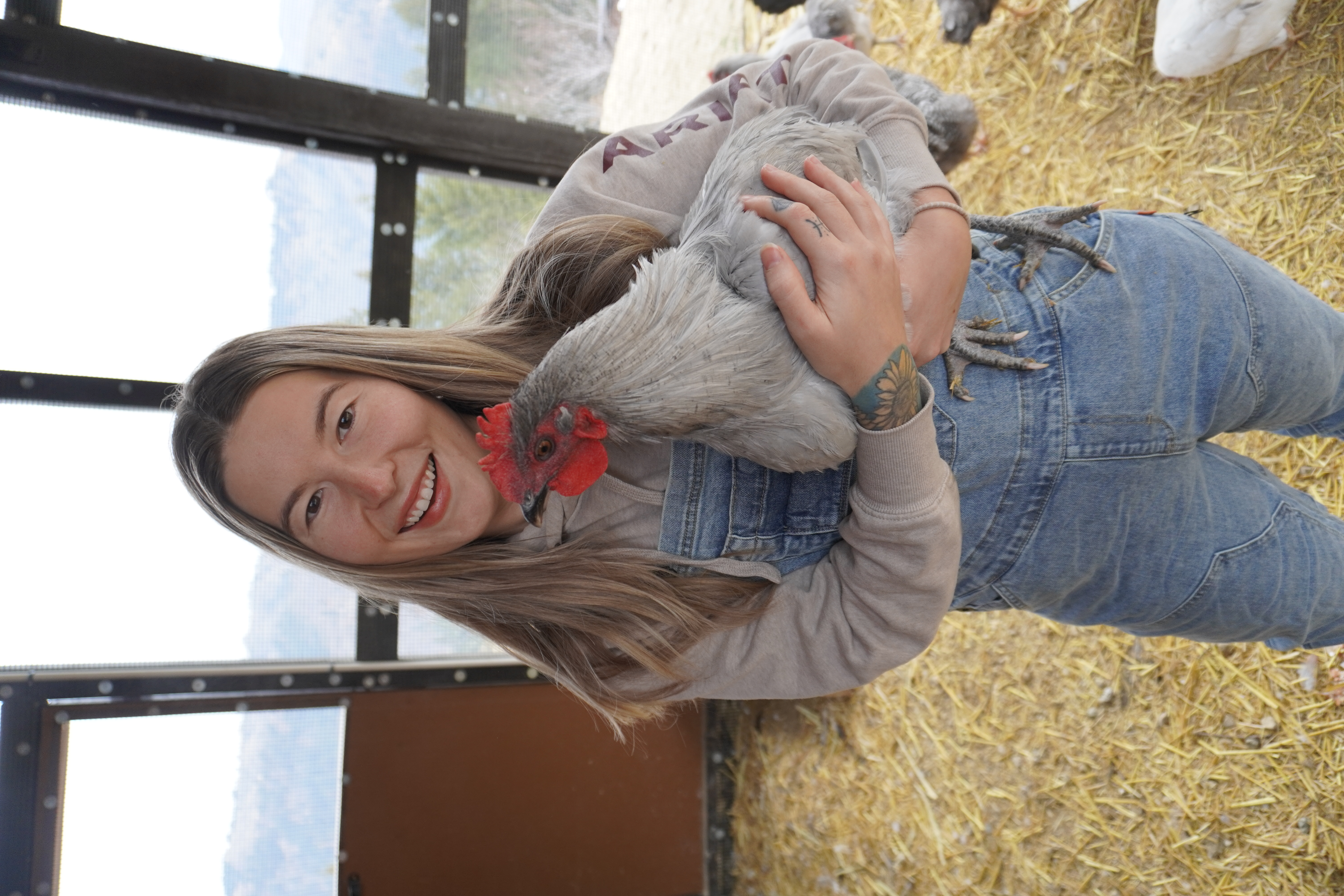
Why choose my course
Because Googling every chicken question at midnight isn’t a strategy.
My "Hatch to Harvest" course is the guide I wish I had when I started. Googling your way through a hatch at midnight isn't a system. It's a prayer.
I built Hatch to Harvest because when I started, I couldn't find a single resource that covered the full process — from picking the right egg to harvest day — without either dumbing it down or leaving out the parts that matter.
This is the course I built for myself and made available because you deserve more than a patchwork of YouTube videos and Facebook group opinions.
Everything from brooder setup to harvest. Every step in order. Hard-earned from doing it myself, off-grid, without a team.
It's not for people who want to dabble. It's for people who are ready to raise their own meat, know exactly what they're eating, and stop depending on a supply chain they can't see.
What problems can I solve
If you've ever felt any of this — keep reading...
Overwhelmed by conflicting advice and not sure who to actually trust.
Frustrated by courses that cost a lot and assume you already know things.
Ready to raise your own food but not sure where the first step is.
Done trusting labels and wanting to know the full chain from seed, egg, or chick to what's on your plate.
Suspicious that the food system isn't as stable as everyone says — and wanting to build something that doesn't depend on it.
I've been all of those things.
I'll walk you through every part of this — chickens, food, systems, sourcing — with clear practical steps from someone who's done it the hard way and figured out what actually works.
This isn't about being perfect. It's about being less dependent. One bird, one harvest, one skill at a time.
Read The Blog
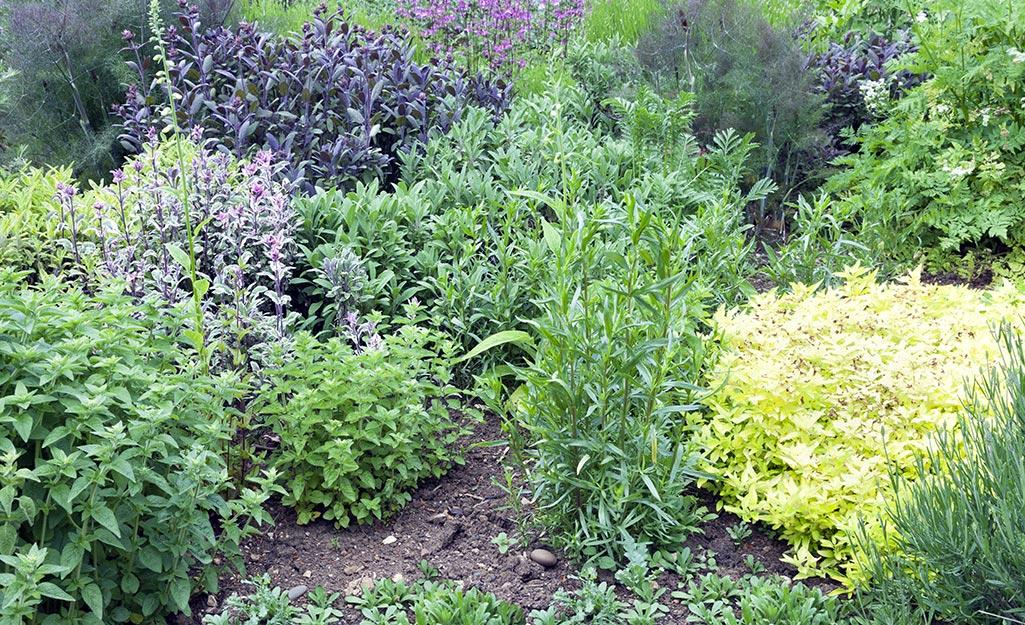
5 Heat-Loving Herbs You Can Grow Almost Anywhere
When the summer sun is blazing and your garden feels more like a desert than a sanctuary, you might be wondering if anything can survive, let alone thrive in the extreme heat.
Enter the heat-loving herbs: tough, fragrant, and endlessly useful in the kitchen and medicine cabinet. If you've got sunshine and a little space, you've got what it takes to grow these impactful plants.
Whether you're working with a sprawling homestead, raised beds, pots on a patio, or vertical planters on a sunny balcony, this guide will help you grow five of the best herbs for hot weather: basil, rosemary, oregano, thyme, and mint.
🌿 1. Basil
Planting Location: Raised beds, in-ground gardens, large containers.
Sun Exposure: Full sun (6-8 hours daily)
Soil Needs: Well-drained, fertile soil enriched with compost.
Fertilization: Monthly with compost tea or an organic balanced fertilizer.
Tips: Basil loves warmth and doesn't like to be cold or wet. Pinch back flowers to keep it producing more leaves, and harvest often to encourage bushy growth.
Where to Grow: Perfect for in-ground beds, patio pots, or vertical grow walls with deep pockets.
Why Grow It: Pesto, caprese salad, herbal oils, and even natural mosquito repellent. Basil brings flavor and function.
🌿 2. Rosemary
Planting Location: Raised beds, deep containers, in-ground with excellent drainage.
Sun Exposure: Full sun (6+ hours daily)
Soil Needs: Sandy, well-drained soil. Doesn’t like soggy roots.
Fertilization: Light feeding once per season with compost or a low-nitrogen fertilizer.
Tips: Rosemary is a woody perennial in warm zones and can be overwintered indoors in pots. Let soil dry out between waterings.
Where to Grow: Containers, garden beds, or even as a small hedge or companion plant near walkways.
Why Grow It: Antibacterial, antioxidant, and culinary uses. Add it to roasted veggies, meat rubs, and memory-boosting tea.
🌿 3. Oregano
Planting Location: In-ground gardens, rock gardens, raised beds, large containers.
Sun Exposure: Full sun (at least 6 hours)
Soil Needs: Dry, well-drained soil. Can thrive in poor soil with minimal amendments.
Fertilization: Rarely needed. If anything, a light compost application once or twice per season.
Tips: Trim regularly to prevent legginess. Harvest before flowering for best flavor.
Where to Grow: Perfect for dry corners of the garden, raised beds, or container edges where it can cascade.
Why Grow It: Staple herb for pizza, pasta, and immune-support teas. It’s also a natural antifungal and antibacterial powerhouse.
🌿 4. Thyme
Planting Location: Raised beds, containers, rock gardens, border plantings.
Sun Exposure: Full sun (6+ hours)
Soil Needs: Light, sandy soil with good drainage. Doesn’t tolerate wet feet.
Fertilization: Minimal. Once a season with compost or kelp meal.
Tips: Thyme thrives on neglect. Trim lightly to shape, and divide every few years to keep it vigorous.
Where to Grow: In-ground near borders, in containers, or between stepping stones for a fragrant surprise.
Why Grow It: Aromatic and flavorful for meats and broths. Use in teas for coughs or infuse in honey for sore throats.
🌿 5. Mint
Planting Location: Containers ONLY, unless you want it to take over your entire garden.
Sun Exposure: Partial sun to full sun (4-6 hours)
Soil Needs: Moist, rich, well-drained soil.
Fertilization: Monthly with compost or diluted fish emulsion.
Tips: Harvest regularly to keep it from flowering and becoming bitter. Loves moisture but don’t let it sit in water.
Where to Grow: Deep containers on patios or tucked near walkways (in pots!) where you can brush it and enjoy the scent.
Why Grow It: Great for teas, desserts, digestive support, bug bites, and garden-fresh mojitos. Mint is your summer MVP.
These five herbs aren’t just sun-loving and low-maintenance — they’re also your first step toward a self-reliant garden that feeds your family and supports your wellness.
Even if you're new to growing herbs, these are forgiving, easy to love, and ready to thrive in your summer garden. Whether in ground or in pots, these plants are here to teach you: resilience, patience, and the joy of growing your own food, one fragrant leaf at a time.
Now go get your hands dirty!

Annie's Homestead is not affiliated by Facebook™ in any way. Facebook™ is a registered trademark of Facebook™ Inc
Branding and Website by RoyalT Studio