



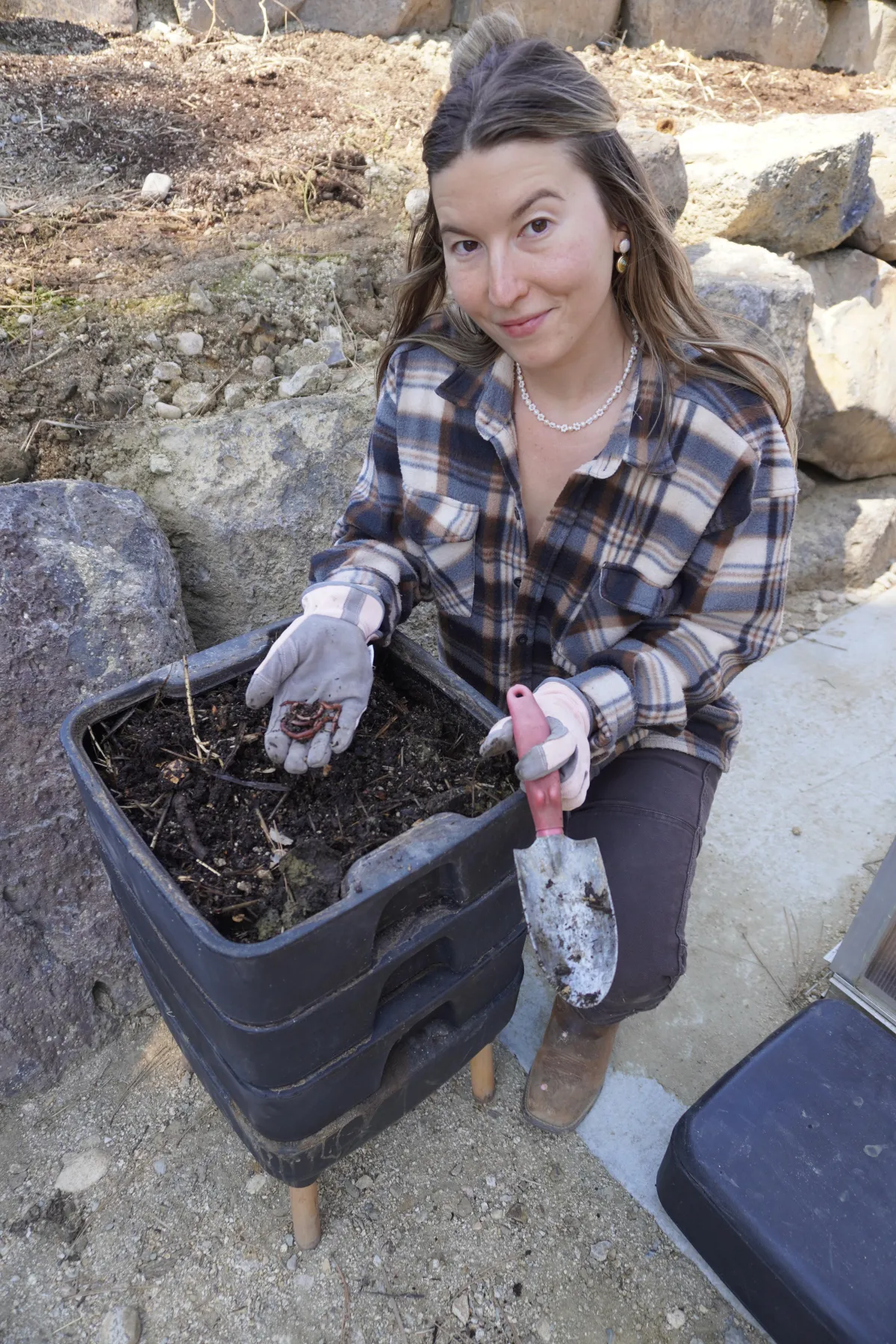
Hey, I'm Annie
I'm not here to sell you a fantasy version of homestead life.
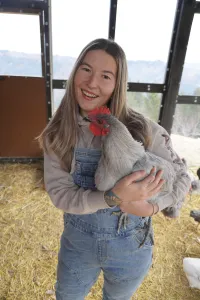
I'm living the real thing — off the grid, in the Idaho mountains, with a flock I hatched myself, a grow room, a greenhouse, and a very strong opinion about what's in your food.
If you found me through the chemtrail content — welcome.
If you found me through the chicken content — also welcome.
They're the same page. Stick around and you'll see why.

Midwest girlie
I grew up in South Dakota. Real food came from someone you knew. Slow living wasn't a trend — it was just Tuesday.
These days I live tucked into the Idaho mountains, off-grid by design. I have a flock of birds I hatched from eggs I collected from birds I raised. I have an indoor grow room and a greenhouse. I source feed with no soy, no corn, no seed oils. My birds free-range on actual Idaho ground every single day.
I didn't move here for the aesthetic. I moved here because the further I got from the supply chain, the better I felt about what I was putting in my body.

Green Thumb Guru
I grow what I eat because I don't trust what I can't trace.
I hatch my own flock because I want to know every part of the chain — what the parent birds ate, what the ground looked like, what went into the egg that went into my breakfast.
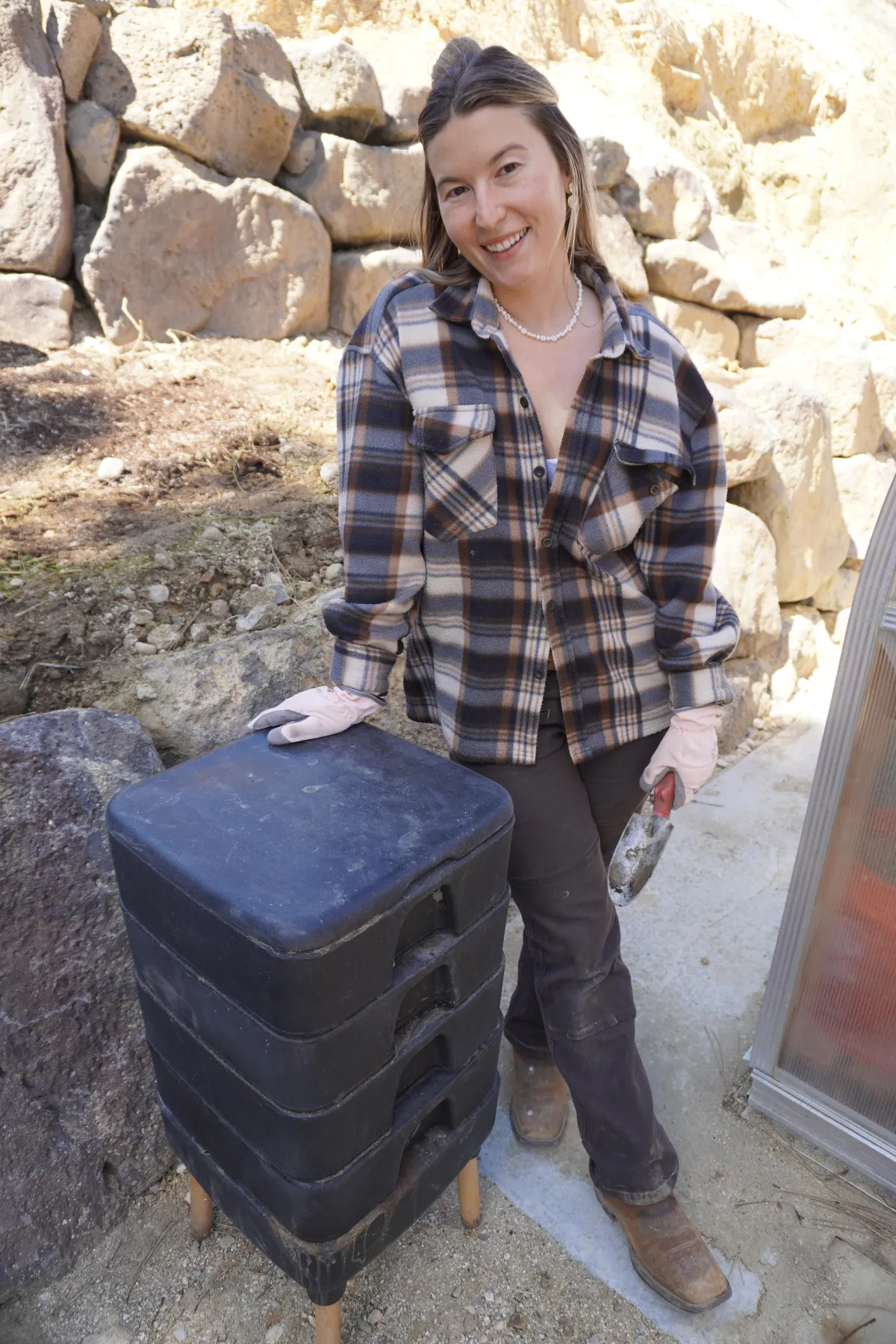
I source feed I can read the label on and actually understand. I grow mealworms for my birds because I'd rather know the protein source than trust a bag that says "natural ingredients."
This isn't a hobby. It's the most deliberate thing I do.

Community Builder
I'm not interested in chasing followers.
I'm interested in building a community of people who are asking the same questions I'm asking and doing something about it.
People who are done outsourcing their food supply to a system they don't fully trust.
People who are curious enough to look into it and stubborn enough to do something about it.
If that's you — you found the right page.
Why Trust ME
Because I'm not here to sell you a fantasy — I'm living the real thing.
I didn't grow up doing this. I learned the hard way: one frozen waterer, failed hatch, and rogue rooster at a time.
I built my homestead from scratch. Off-grid. In the mountains. With no blueprint and a lot of trial and error.
Here's what I know now that I didn't know then:
The information is out there. But most of it is either dressed up past the point of being useful, or so overwhelming it makes you want to give up before you start.
I share everything — what worked, what failed, what I'd do differently. From mealworms to meat birds. Soil to coop automation. Incubation humidity to lockdown day 18.
I'm not a guru. I'm someone who got fed up with the system, decided to build a way out of it, and documented everything along the way so you don't have to figure it all out alone.
Growing your own food is the most radical act of self-preservation we have left. I take that seriously, and you should too.
So if you want someone who gets it — someone who's walked through the overwhelm and is still walking, still building, still learning — You're in the right place.

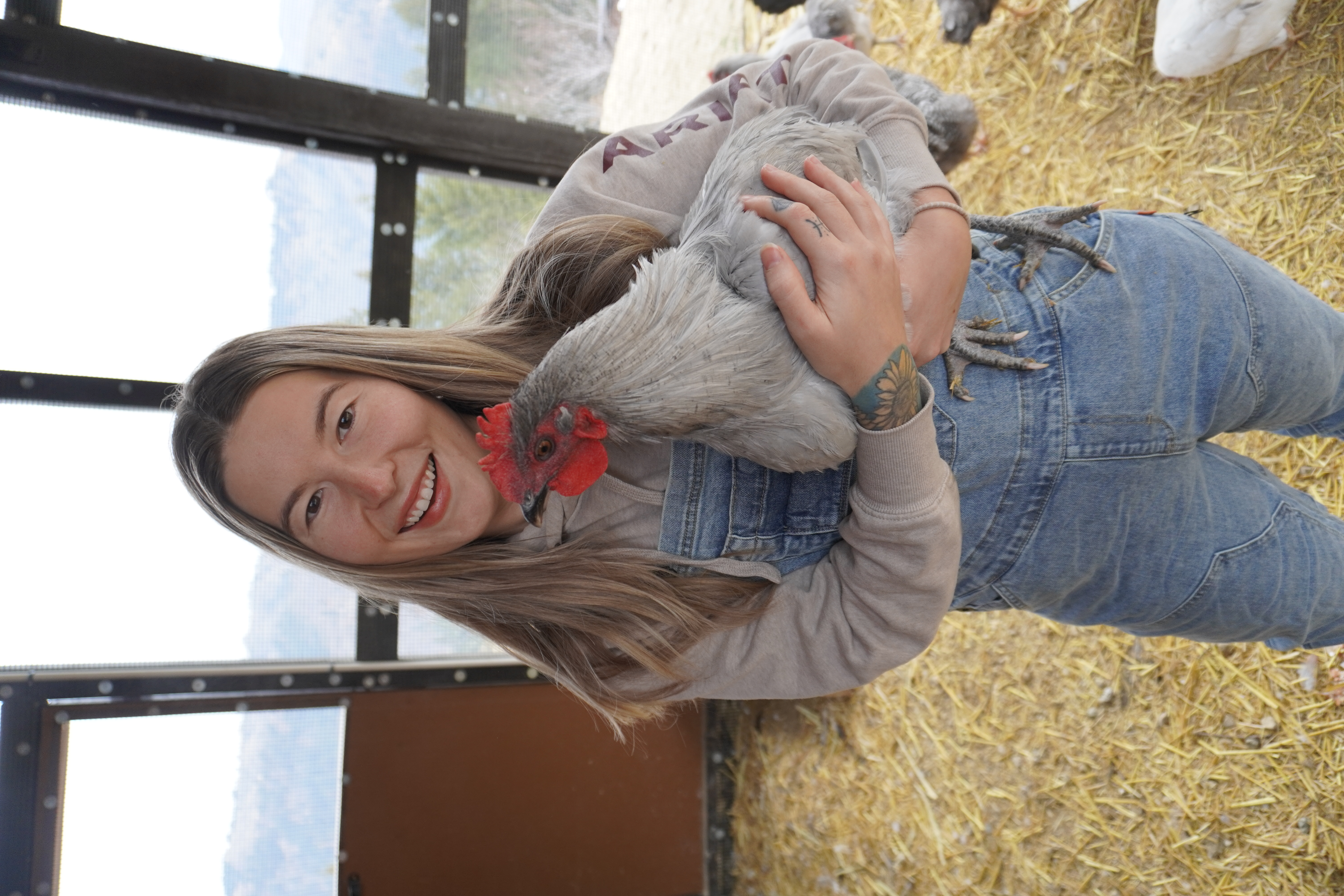
Why choose my course
Because Googling every chicken question at midnight isn’t a strategy.
My "Hatch to Harvest" course is the guide I wish I had when I started. Googling your way through a hatch at midnight isn't a system. It's a prayer.
I built Hatch to Harvest because when I started, I couldn't find a single resource that covered the full process — from picking the right egg to harvest day — without either dumbing it down or leaving out the parts that matter.
This is the course I built for myself and made available because you deserve more than a patchwork of YouTube videos and Facebook group opinions.
Everything from brooder setup to harvest. Every step in order. Hard-earned from doing it myself, off-grid, without a team.
It's not for people who want to dabble. It's for people who are ready to raise their own meat, know exactly what they're eating, and stop depending on a supply chain they can't see.
What problems can I solve
If you've ever felt any of this — keep reading...
Overwhelmed by conflicting advice and not sure who to actually trust.
Frustrated by courses that cost a lot and assume you already know things.
Ready to raise your own food but not sure where the first step is.
Done trusting labels and wanting to know the full chain from seed, egg, or chick to what's on your plate.
Suspicious that the food system isn't as stable as everyone says — and wanting to build something that doesn't depend on it.
I've been all of those things.
I'll walk you through every part of this — chickens, food, systems, sourcing — with clear practical steps from someone who's done it the hard way and figured out what actually works.
This isn't about being perfect. It's about being less dependent. One bird, one harvest, one skill at a time.
Read The Blog
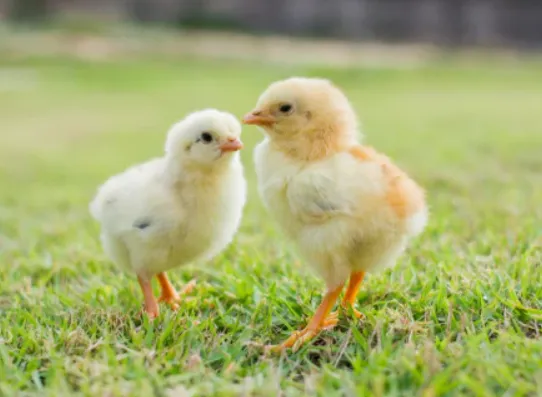
Meat Birds or Layers: What’s the Best Choice for Your Homestead?
Meat Birds or Layers: What’s the Best Choice for Your Homestead?
One of the most common questions new chicken keepers ask is whether they should start with meat birds or layers.
And it makes sense. Most people get interested in chickens because they want to be a little less dependent on the grocery store. They want fresh eggs, cleaner meat, more control over what their family eats, and a closer relationship to their food. Then hopefully, they realize something quickly: not all chickens are built for the same purpose.
Some birds are bred to grow fast and fill the freezer. Others are bred to mature more slowly and give you eggs week after week. That is the real difference between meat birds vs layers. Broilers are selected for growth and meat yield, while layers are selected for sustained egg production over time. Mississippi State University Extension notes that broilers typically reach processing size in about 6 to 8 weeks, while layers usually begin laying at about 18 to 22 weeks.
That sounds simple enough on paper, but real life is where the decision gets more personal.
Because this is not just about chicken breeds. It is about your goals, your routine, your space, your stomach, and the kind of food system you are trying to build at home.
The short answer
If you want daily food and a longer-term flock, start with layers.
If you want meat in the freezer fast, raise meat birds.
If you want a more complete homestead system (like me), you will probably end up with both.
And no, despite what the internet likes to repeat, you do not always have to keep them in totally separate worlds for things to work. Many backyard keepers successfully manage mixed flocks. The bigger question is whether you can manage the flock well, not whether the birds are morally offended by sharing space. Practical mixed-flock advice consistently centers on feed, calcium, and room to move rather than a blanket rule that they cannot coexist.
What is the difference between meat birds and laying hens?
The biggest difference is purpose.
Meat birds, often called broilers, are bred to convert feed into body mass quickly. They tend to have a wider, heavier build and a short timeline. Commercial broiler-type birds are often processed around 6 to 8 weeks, though some slower-growing meat strains may be taken longer depending on breed and management.
Laying hens are bred for egg production, not fast growth. They are usually lighter-bodied, more active, and built for long-term output rather than short-term size. With adequate nutrition, light, and housing, many hens begin laying around 18 to 22 weeks. Backyard hens may live 6 to 8 years, though their strongest egg production is usually in the first 3 to 4 years before output and shell quality begin to decline.
That one difference changes everything else: feed, housing, timeline, cost, daily routine, and what success even looks like.
Why people choose meat birds
People raise meat birds because they want a direct path from chick to freezer.
There is something honest about that. You bring birds in with a purpose, care for them well, and in a matter of weeks you have food. That timeline is one reason broilers appeal to people who are serious about food security or want more control over the quality of the meat they feed their family. Extension and hatchery guidance both emphasize that broilers are a short, intensive project compared with layers.
Meat birds can make sense if:
You want a predictable harvest timeline.
You want to stock your freezer.
You are willing to process birds yourself or pay for processing.
You prefer a shorter-term commitment instead of caring for hens year-round.
This is also where new keepers get a reality check. Meat birds are not just “regular chickens, but more useful.” They are a different kind of project. They eat heavily, grow fast, and require close observation. Feed efficiency is one of their defining traits, and broilers are generally fed a higher-protein ration to support rapid growth.
That does not mean they are hard in some dramatic, fear-based way. It just means they are purposeful. They are not usually the birds people get attached to for three years while naming them after old country singers.
Why people choose layers
Layers fit a different vision.
They are for the person who wants eggs on the counter, a routine in the morning, birds scratching around the yard, and a flock that becomes part of the rhythm of the home. Layers are slower to mature, but they offer consistency once they start producing. Under good conditions, hens can begin laying at around 18 to 22 weeks, and many backyard birds produce for several years, even though production declines with age.
People choose layers because:
They want fresh eggs.
They want a long-term flock.
They want birds that feel integrated into daily homestead life.
They are not ready to process meat birds yet.
Housing needs also look a little different with layers. They need roosts, nesting boxes, predator protection, ventilation, and enough indoor space to stay healthy. University of Minnesota Extension recommends roughly 3 to 5 square feet of indoor space per bird and about 1 nest box per 4 to 5 hens. Iowa State notes that layers need roosts and nest boxes, while meat birds do not require roosts in the same way.
So if your goal is a calm, steady, everyday food source, layers usually make more sense as a first flock.
Meat birds vs layers: which is better for beginners?
For most people, layers are easier to start with.
Not because they are magically low-maintenance. Chickens are still livestock. They still need feed, water, protection, ventilation, and attention. But layers let people ease into chicken keeping without the emotional and logistical pressure of raising birds on a harvest timeline.
They also give you a longer runway to learn. You have time to understand predators, feeding, coop setup, egg production, and flock behavior before adding the extra layer of processing meat birds.
Meat birds are not wrong for beginners. Plenty of people start there. But they are usually better for people who already know they want that freezer-filling system and are prepared for the faster pace.
Can you keep meat birds and layers together?
Yes, you can.
This is one of those places where real homestead life and rigid internet advice part ways.
You will often read that meat birds and layers must be kept separate, full stop. That advice usually comes from real concerns, but the concerns are often oversimplified. The practical issues are not that the birds cannot physically share space. The practical issues are feed formulation, calcium needs, growth rate, mess, and crowding. Extension guidance is clear that birds at different ages or production stages have different needs, and feed recommendations differ sharply between growing birds and laying hens.
For example, laying hens need significantly more calcium for eggshell production. Oregon State Extension says oyster shell should be offered in a separate feeder for free-choice consumption. Poultry Extension materials also note that growing chickens require much less calcium than active layers, and feeding high-calcium layer diets to growing birds can cause problems.
That is why mixed flocks are usually a management question, not a yes-or-no question.
A lot of backyard keepers make mixed flocks work by feeding in a way that fits the youngest or non-laying birds and then offering calcium separately to laying hens. That practical approach is widely used in mixed backyard flocks, though your exact setup depends on your birds, your feed options, and how closely you manage them.
So yes, you can keep them together. But “together” still requires you to pay attention.
What actually matters if you keep them together
If you are running a mixed flock of meat birds and layers, here is what matters most.
First, watch the feed. Layers need calcium for eggshell production. Meat birds and younger birds do not need a layer ration just because they happen to be standing next to a hen.
Second, make sure laying hens have access to free-choice calcium, usually oyster shell in a separate feeder. That is directly supported by Extension guidance.
Third, manage space and cleanliness. Meat birds can be heavier, slower, and harder on bedding because of how quickly they grow. Iowa State emphasizes keeping bedding clean and dry to reduce ammonia and contamination, and Minnesota stresses predator-safe housing with adequate space and ventilation.
Fourth, be realistic about behavior and pace. Layers tend to be more active and exploratory. Meat birds tend to be more feed-focused and less athletic, especially as they grow. That does not mean they cannot coexist. It means they do not move through the day the same way.
Fifth, remember that different ages require different care. Oklahoma State Extension advises against housing birds of significantly different ages together because of disease risk and differences in temperature, feed, and space needs. That matters most in brooders and early growth stages.
So if someone says mixed flocks are impossible, that is too broad. If someone says mixed flocks require zero thought, that is also nonsense. The truth is more useful than both of those extremes.
Do you need both meat birds and layers?
Not immediately. Maybe eventually.
A lot of homesteaders begin with layers because eggs feel like the softer entry point. They help you build confidence. You get used to daily chores. You learn what it takes to protect birds, keep water clean, handle feed, and troubleshoot problems.
Then at some point, many people realize something uncomfortable and motivating at the same time: eggs are not meat.
If your goal is actual food independence, not just a cute coop and a carton of backyard eggs, then layers only solve one part of the equation. Raising meat birds closes that loop in a different way.
That does not mean every homestead must raise both right now or you are somehow failing at sovereignty. It means your flock should match your goals.
If you want eggs, choose layers.
If you want meat, choose meat birds.
If you want both forms of food production, build toward both.
What about dual-purpose chickens?
This is where a lot of people start asking the smartest question in the room: what if I want birds that can do both?
That is where dual-purpose breeds come in. Mississippi State Extension describes dual-purpose birds as breeds that are not as specialized for egg output as dedicated laying strains and not as specialized for meat production as commercial meat hybrids, but they offer a workable middle ground. Common examples include Plymouth Rocks, Wyandottes, and New Hampshires. Purdue and Maine Extension also list breeds like Plymouth Rocks, Sussex, Delaware, and Wyandottes as good dual-purpose options.
Dual-purpose chickens make sense if:
You want one flock to do more than one job.
You are not chasing maximum efficiency.
You value flexibility over specialization.
You are comfortable with a slower route to meat than commercial broilers.
That tradeoff matters. Dual-purpose birds will not usually grow as quickly as Cornish Cross-type meat birds, and they will not usually out-lay specialized egg strains either. But they can be a very solid homestead choice if you want a more balanced system.
The most searched question nobody answers well: which is actually right for me?
The right choice depends on what you want your flock to do.
If you picture yourself collecting warm eggs in the morning, watching birds scratch around the yard, and building a long-term flock, go with layers.
If you picture filling the freezer, controlling your meat supply, and working in batches with a clear endpoint, go with meat birds.
If you read both of those and thought, “Well, obviously I want both,” then that is probably your answer.
Just do not let the internet convince you there is one correct chicken path for everybody.
Because there isn't. Every coop is different.
There is only the setup that fits your land, your bandwidth, your food goals, your budget, and your willingness to learn as you go.
Best practices for choosing between meat birds and layers
Start with your end goal, not the cutest breed photo on the internet.
If eggs matter most, choose layers that fit your climate, temperament preferences, and egg expectations. If meat matters most, choose birds bred for meat production and be honest about whether you want fast-growing broilers or a slower-growing alternative. If you want flexibility, consider dual-purpose breeds. Extension breed guides recommend matching breed choice to production goal first, then considering climate, temperament, and housing.
Plan housing before the birds arrive. Layers need nest boxes and roosts. Meat birds usually need a simpler setup focused on dryness, ventilation, easy access to feed and water, and sanitation.
Feed for the bird’s stage and purpose. Do not assume one ration perfectly solves everything without thinking through calcium, age, and production needs.
Give yourself more space than you think you need. Minnesota Extension recommends 3 to 5 square feet of indoor space per bird for layers, and overcrowding creates stress, mess, and management headaches fast.
Know your own emotional limit. Some people love the idea of meat birds until processing day becomes real. There is no prize for pretending that part does not matter.
Final answer: meat birds or layers?
If you are brand new and want the easier on-ramp, start with layers.
If your focus is freezer meat and self-sufficiency in a more immediate way, raise meat birds.
If your real goal is to build a homestead that feeds you in more than one way, you will probably want both eventually.
And if you keep both together and manage them well, that is not “wrong”, because that's exactly what I do too.

Annie's Homestead is not affiliated by Facebook™ in any way. Facebook™ is a registered trademark of Facebook™ Inc
Branding and Website by RoyalT Studio