


Welcome to Annie's Homestead
You stopped trusting the system.
Now let's build your way out of it
Learn how to grow real food, real birds, for real independence.
Does this sound familiar?
You've been reading labels and not likeing what you see.
You don't fully trust the grocery store, the supply chain, or what the label actually means. You're not paranoid. You're paying attention. And you're ready to do something about it.You want to know where your food actually comes from.
You want to know the bird, the feed, the ground it walked on. You want the full chain — and you want to own it.You’re done waiting for the system to fix itself.
Whether you have five acres or a back patio, you're ready to start building something that doesn't depend on anyone else. One seed. One egg. One jar at a time.
If any of that sounds like you — you're exactly who this is for.
Most homesteading content online is either a Pinterest fantasy or a 47-step overwhelm spiral. Neither helps you actually do anything.
This isn't that.
Annie's Homestead is no-gatekeep, straight-to-the-point resources for people who are done outsourcing their food supply to a system they don't trust. We go into the detail. We share what actually works. And we don't pretend it's simpler than it is — because you're smart enough to handle the real version.
That's where Annie's Homestead comes in.

Start exactly where you are.
You don't need land, livestock, or a barn. You need a direction and someone who's actually done it. Whether you have a backyard or a window ledge, the first step is the same: start something you can eat.

Know what's in your food — because you put it there.
From egg selection to hatch day. From mealworms to free-range. From seed to harvest. Annie covers the full chain because the full chain is the whole point.

Build skills that make you less dependent.
Fermentation. Incubation. Coop automation. Food preservation. Every skill you learn is one less thing you need from a system you don't trust. That's not a hobby. That's a strategy.
Free: Automate Your Coop
Want to streamline your chores?
Less time on chores.
More time on everything else.
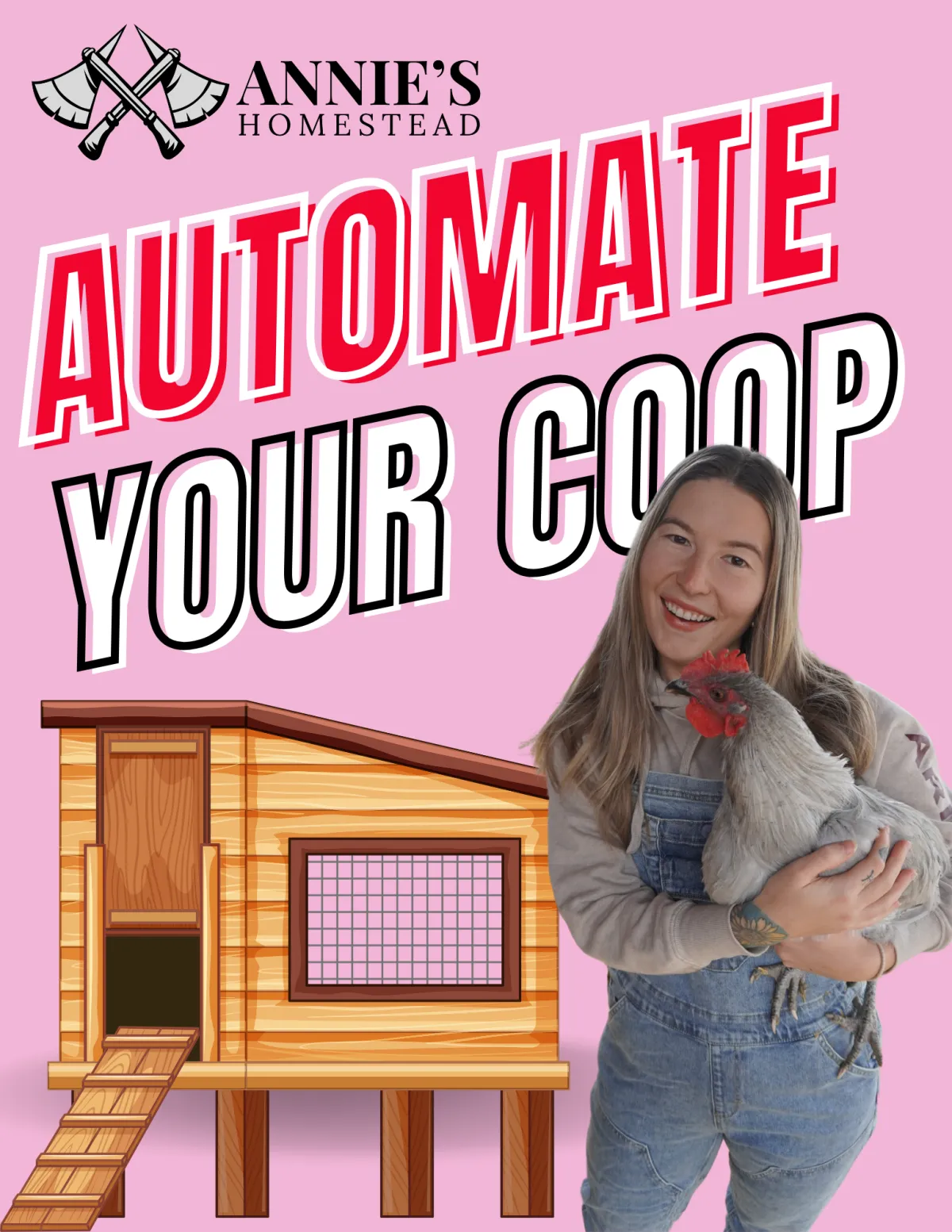
The exact automations Annie uses on her off-grid Idaho homestead — automatic doors, refillable waterers, everything that runs the coop so she doesn't have to babysit it.
Free. Because we don't gatekeep here.
Hey There,
I'm Annie
I'm here to help you leave the system with ease
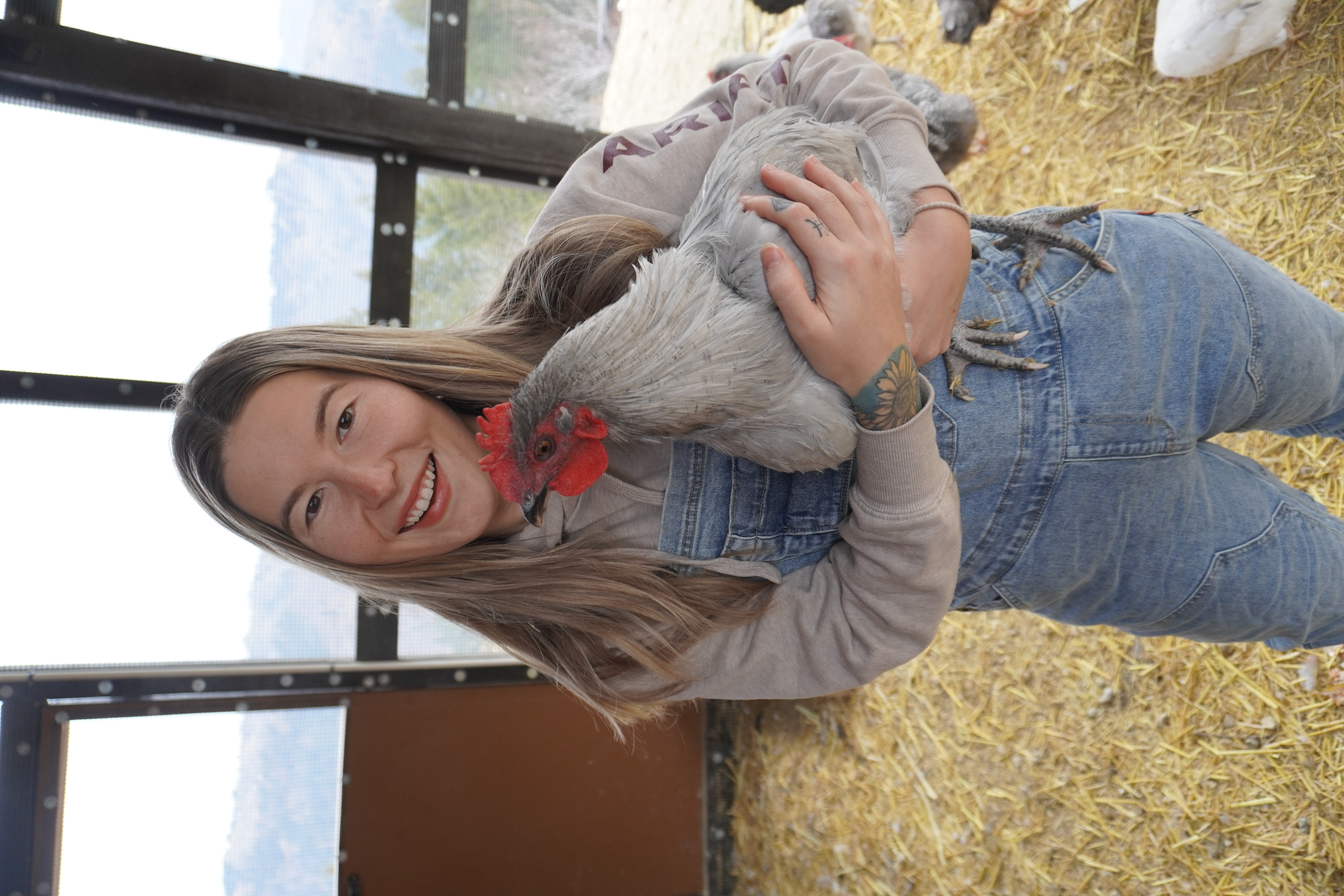
I live off-grid in the Idaho mountains with a flock of birds I hatched myself, an indoor grow room, and a greenhouse — because I'd rather know exactly what's going into my food than trust a label that doesn't have to tell me everything.
I built Annie's Homestead for the person who's started asking questions they can't unask. The person who reads ingredients now. The person who looked at the Palantir-USDA contract and thought — okay, it's time to build my own supply chain.
No sugar-coating. No gatekeeping. Just the real process, the real numbers, and honest answers about what it actually takes.
You found this page for a reason. Stick around.
Top Resources
Streamline your chore list with our chicken coop automation list
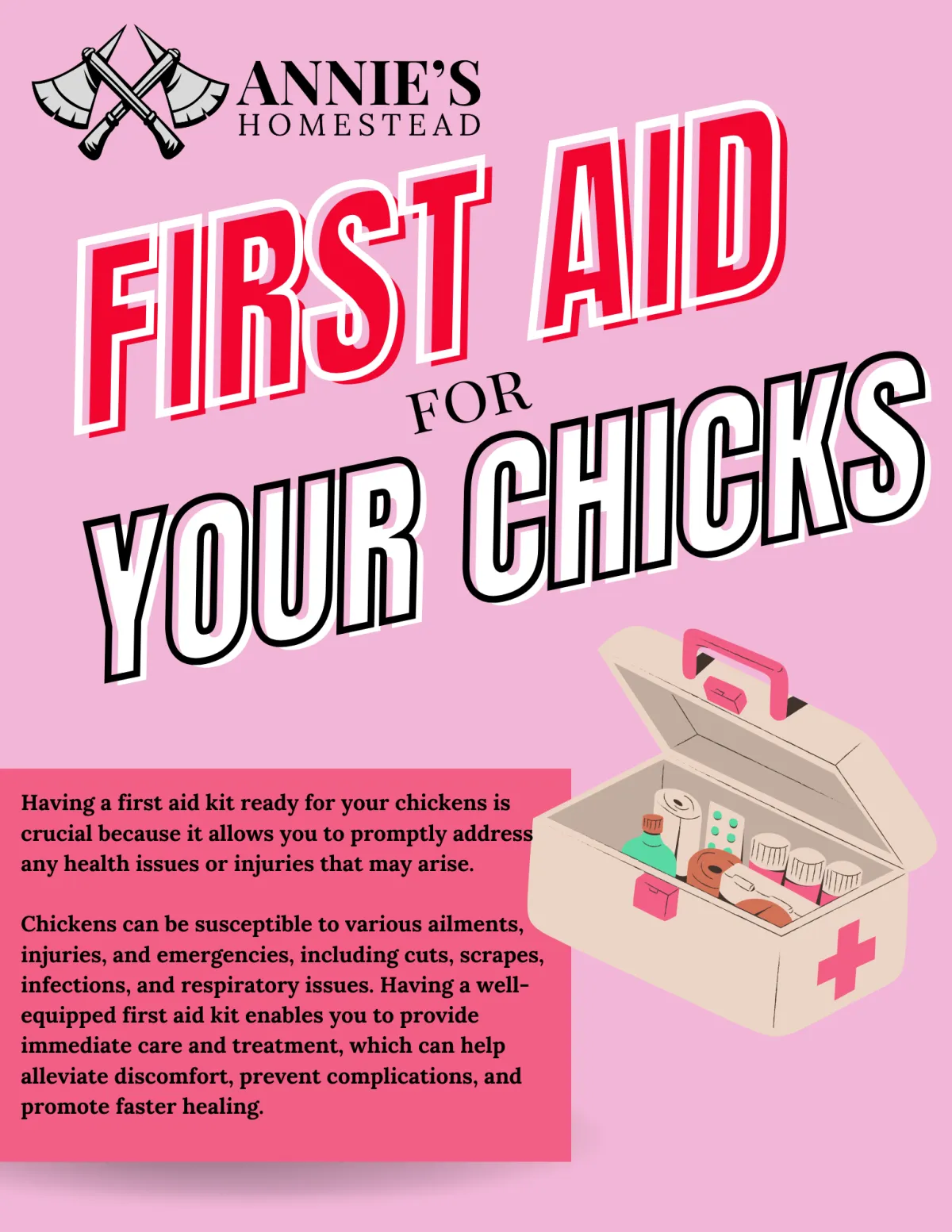
Prepare For Emergencies with our Chicken First Aid Kit
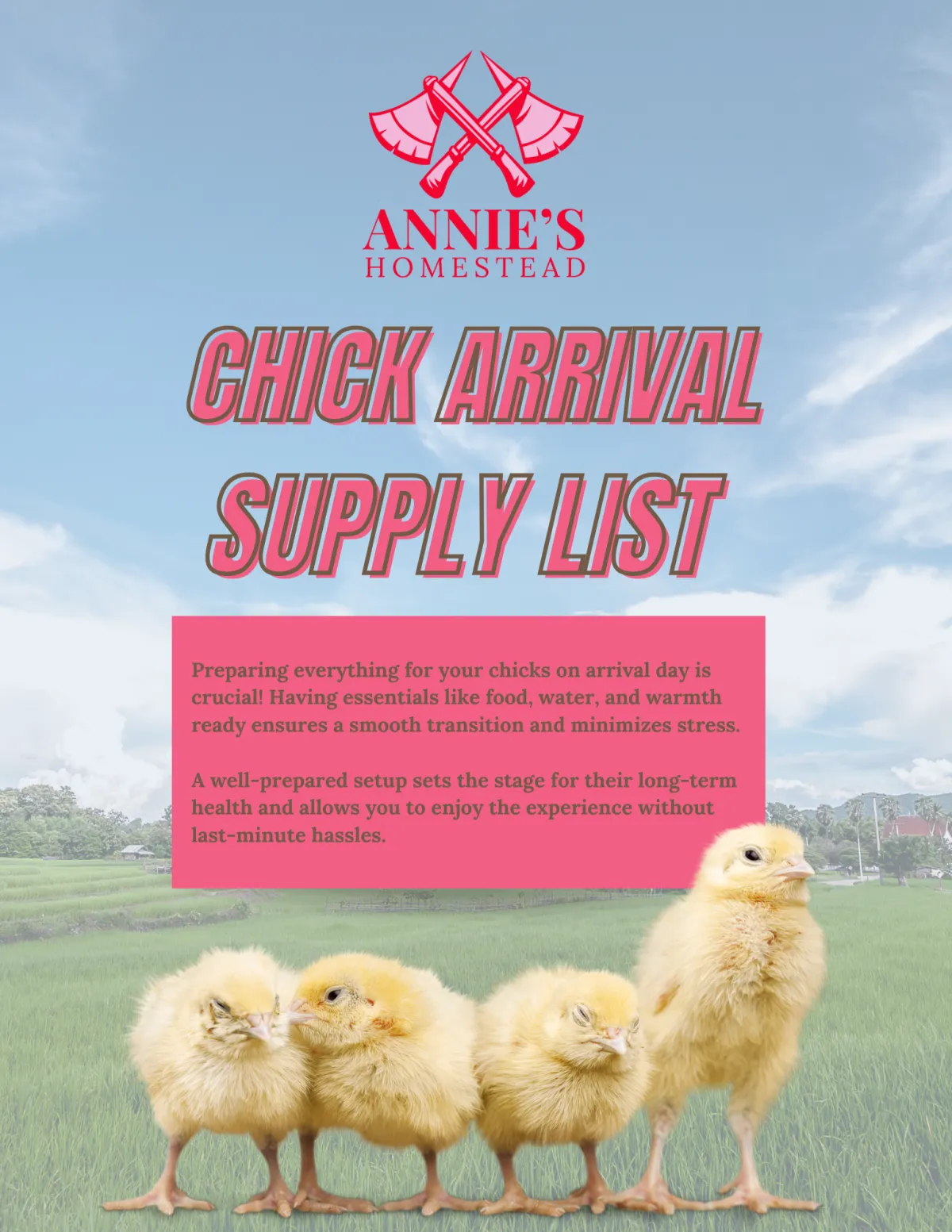
Prepare For Your New Chicks with our Favorite Essentials
Stay Updated
And join the inner circle
Be one of the firsts to know anything new and stay up to date with all the happenings on the homestead!
(I won't spam you ever - PROMISE!)
READ THE BLOG
How to Build a Two-Week Food Supply That You’ll Actually Use
How to Build a Two-Week Food Supply That You’ll Actually Use
A useful food buffer does not begin with a warehouse-sized pantry or an expensive bulk order. It begins with a clear look at what you already eat, what you already have, and what would make an ordinary difficult week easier.
If food prices, weather, illness, work changes, or transportation problems have made grocery shopping feel less predictable, a two-week food supply is a reasonable first milestone. It is large enough to create breathing room but small enough to build gradually. From there, you can decide whether a 30-day buffer fits your household, budget, and storage space.
The goal is not to buy food for an imaginary family with different tastes. The goal is to make your real meals more resilient.
Start with an honest pantry inventory
Before buying anything, inventory the food already in your home. Include kitchen cabinets, the refrigerator, freezer, basement shelves, garage storage, and any overflow bins. You do not need a beautiful spreadsheet. A notebook, phone note, or simple printed list is enough.
Group food by how you use it rather than only by where it is stored:
- Breakfast foods
- Grains, pasta, rice, and other starches
- Proteins
- Canned vegetables and fruit
- Cooking fats and oils
- Baking ingredients
- Snacks and comfort foods
- Beverages
- Foods for allergies, medical needs, infants, or pets
Record the quantity and condition. Mark anything expired, damaged, unfamiliar, or unlikely to be eaten. Do not count food that requires equipment, ingredients, or skills you do not have. A bag of dry beans is part of your buffer only if you have a way to cook it and your household will actually eat it.
Count meals, not just containers
A shelf full of cans does not automatically equal two weeks of food. Estimate meals instead.
Ask:
- How many people and animals are you feeding?
- How many breakfasts, lunches, dinners, and snacks could this food support?
- Which ingredients would run out first?
- What meals could be made if the grocery store were unavailable for several days?
- What would be difficult without refrigeration, electricity, or running water?
For example, you might have plenty of pasta but very little sauce, oil, protein, or vegetables. You might have frozen meat but no backup plan if the freezer loses power. You might have baking supplies but not enough everyday meals. The inventory is meant to expose those gaps without turning them into a reason for panic.
Choose your two-week baseline
A two-week buffer should be based on normal household eating patterns. Start with the meals your household already accepts. Familiar food is often more useful during stressful circumstances than a collection of ingredients chosen because they seem shelf-stable.
Build a simple meal map for fourteen days. It does not need to assign every meal in advance. Instead, list repeatable combinations such as:
- Oatmeal, cereal, or toast with a shelf-stable topping
- Rice or pasta with canned, frozen, or dried vegetables and a protein
- Soup, chili, or stew
- Beans and rice
- Tortillas, crackers, or bread with tuna, eggs, cheese, or nut butter
- Pancakes, muffins, or other baking-based meals
- Shelf-stable fruit and snacks
Include foods that make the plan livable. Coffee, tea, seasonings, familiar snacks, and easy meals are not automatically frivolous. A buffer that contains only difficult ingredients may be technically impressive and practically ignored.
Add foods for real constraints
A food plan should account for the people who will use it. Include allergy-safe foods, texture preferences, medications that must be taken with food, infant feeding needs, pet food, and any dietary or cultural requirements.
Also consider preparation. If someone in the home cannot stand for long periods, a plan that requires hours of cooking may not work. If power outages are common, include foods that can be eaten with limited cooking. If water storage is limited, avoid building the entire plan around foods that require extensive soaking and boiling.
Build in stages: two weeks first, then 30 days
The New Whole Earth describes food resilience as something that can be built one month at a time rather than purchased all at once. That is a useful way to frame the work. Read the article here.
A practical sequence is:
Stage one: Fill the immediate gaps
Complete the meals your inventory already almost supports. If you have pasta but no sauce, buy sauce. If you have rice but no protein, add beans, canned fish, meat, tofu, or another option your household uses. If breakfast is the weak point, solve breakfast before buying another category of food.
Stage two: Add one extra of what you use
When a regular item is on sale or fits the budget, buy one extra. Use the older item first and place the new item behind it. This grows the buffer without requiring a large purchase.
Stage three: Reach 30 days selectively
Once two weeks feels manageable, extend the categories that disappear first. You do not need four times as much of every item. A 30-day supply may mean more breakfast food, cooking oil, protein, and pet food, while fresh foods continue to come from normal shopping or local sources.
USDA Economic Research Service food price data can help explain why households notice changes in grocery costs, but forecasts are not a reason to make dramatic purchases. The USDA Food Price Outlook reports observed and forecast changes with uncertainty ranges. Use that kind of information as context, not as a signal to empty your bank account.
Shop for a buffer without creating waste
The cheapest food is not always the food you will use. Compare the cost per serving, shelf life, storage requirements, and likelihood of being eaten.
A few rules help:
- Buy normal package sizes before bulk sizes.
- Test unfamiliar foods before storing large quantities.
- Avoid stocking more than you can store in a cool, dry, pest-resistant place.
- Keep a small budget for the buffer rather than treating it as an emergency purchase.
- Add foods during ordinary shopping trips.
- Use store sales only when the item is already part of your meals.
- Track dates without assuming every printed date means the food is unsafe.
Water deserves separate attention. Food storage plans often focus on calories while ignoring the water required for drinking, cooking, cleaning, and medication. Storage needs depend on household size, climate, health, and the emergency being considered. Review local emergency guidance and the Utah State University Extension food storage resource before setting a household water target.
Give the pantry a rotation home
A buffer fails when the stored food disappears behind newer purchases. Choose one shelf, cabinet, closet, or set of bins as the active buffer area. Label categories and keep older items at the front.
Once a week, move one stored item into a planned meal. Once a month, check for damaged packaging, temperature problems, pests, and foods that your household no longer wants. Replace what you use during normal shopping.
This is the beginning of a rotation system, not an additional chore. If your storage method requires a weekly project you will avoid, simplify it.
What not to do
Do not buy a year of food because a photo online made it look reassuring. A viral stocked cellar can be inspiring, but it does not show the reader’s budget, labor, climate, equipment, household size, or years of accumulated work. The Cool Down’s discussion of a stocked cellar makes the same important point: a full cellar is not a realistic starting requirement for every household.
Do not build a pantry around foods you dislike. Do not ignore water or cooking fuel. Do not use credit for a large stock-up that creates financial stress. Food resilience is weaker when the purchase undermines rent, medication, utilities, or debt payments.
Your first action this week
Set a timer for thirty minutes and inventory one food zone. Write down what you have, what you eat, and the three gaps that would matter most in a difficult week. Then buy or plan only the first gap.
For more detail, use a [link to Annie’s Homestead pantry inventory guide]. If you want help turning your inventory into meals, add a [link to Annie’s Homestead meal-planning resource].
A practical food buffer is not a test of how much you can endure. It is a small system that makes ordinary disruptions less disruptive. Start with two weeks. Learn what works. Then decide whether 30 days is useful for your household.
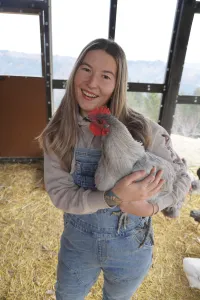

It's time to take the first step towards your homesteading journey.
Don't let uncertainty hold you back any longer.
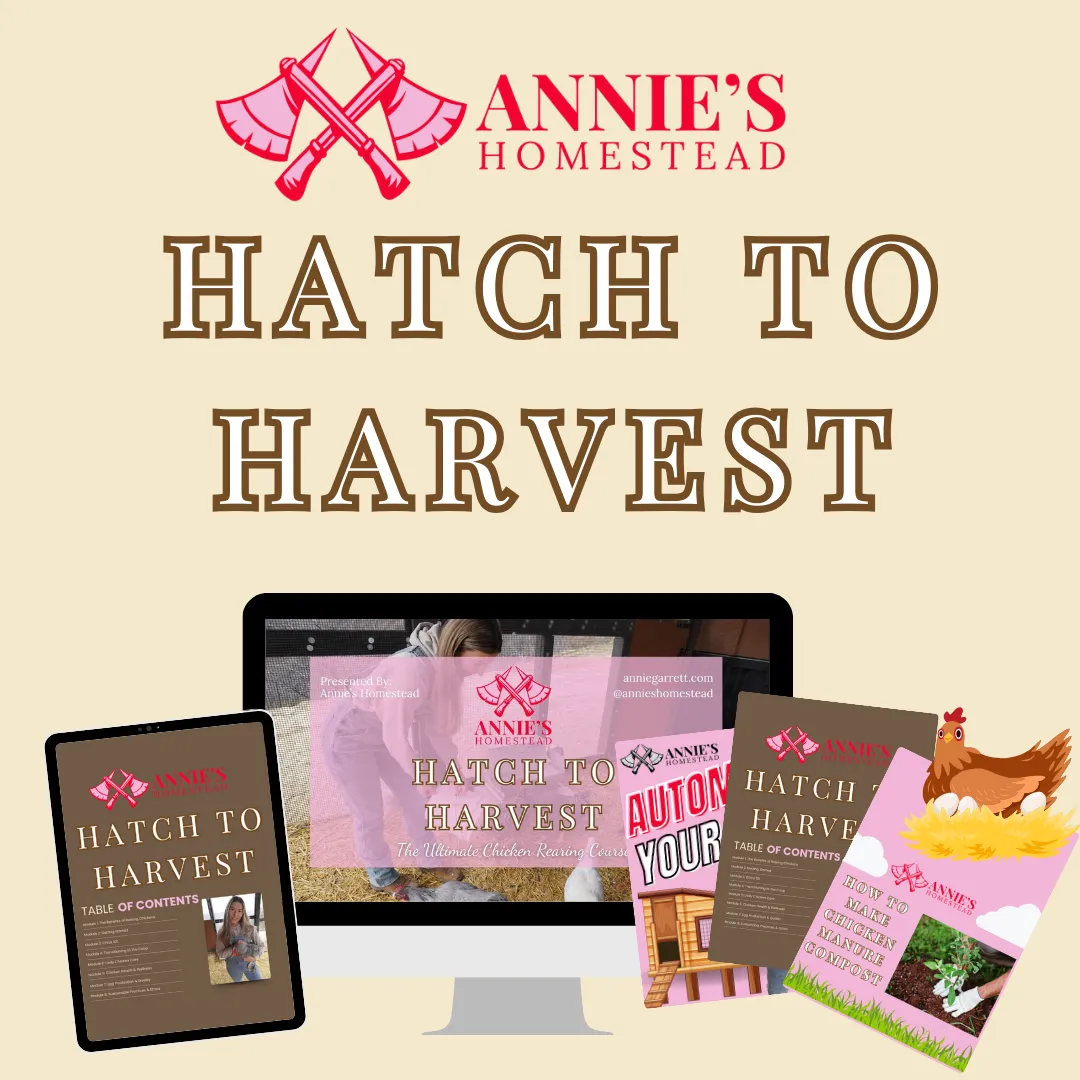
Our chicken course offers a comprehensive roadmap to self-sufficiency, guiding you step-by-step through the process of creating your own thriving flock, from hatch to harvest.
Enroll in our course today and take the first step towards a brighter, more empowered future!
Annie's Homestead is not affiliated by Facebook™ in any way. Facebook™ is a registered trademark of Facebook™ Inc
Branding and Website by RoyalT Studio