


Welcome to Annie's Homestead
You stopped trusting the system.
Now let's build your way out of it
Learn how to grow real food, real birds, for real independence.
Does this sound familiar?
You've been reading labels and not likeing what you see.
You don't fully trust the grocery store, the supply chain, or what the label actually means. You're not paranoid. You're paying attention. And you're ready to do something about it.You want to know where your food actually comes from.
You want to know the bird, the feed, the ground it walked on. You want the full chain — and you want to own it.You’re done waiting for the system to fix itself.
Whether you have five acres or a back patio, you're ready to start building something that doesn't depend on anyone else. One seed. One egg. One jar at a time.
If any of that sounds like you — you're exactly who this is for.
Most homesteading content online is either a Pinterest fantasy or a 47-step overwhelm spiral. Neither helps you actually do anything.
This isn't that.
Annie's Homestead is no-gatekeep, straight-to-the-point resources for people who are done outsourcing their food supply to a system they don't trust. We go into the detail. We share what actually works. And we don't pretend it's simpler than it is — because you're smart enough to handle the real version.
That's where Annie's Homestead comes in.

Start exactly where you are.
You don't need land, livestock, or a barn. You need a direction and someone who's actually done it. Whether you have a backyard or a window ledge, the first step is the same: start something you can eat.

Know what's in your food — because you put it there.
From egg selection to hatch day. From mealworms to free-range. From seed to harvest. Annie covers the full chain because the full chain is the whole point.

Build skills that make you less dependent.
Fermentation. Incubation. Coop automation. Food preservation. Every skill you learn is one less thing you need from a system you don't trust. That's not a hobby. That's a strategy.
Free: Automate Your Coop
Want to streamline your chores?
Less time on chores.
More time on everything else.
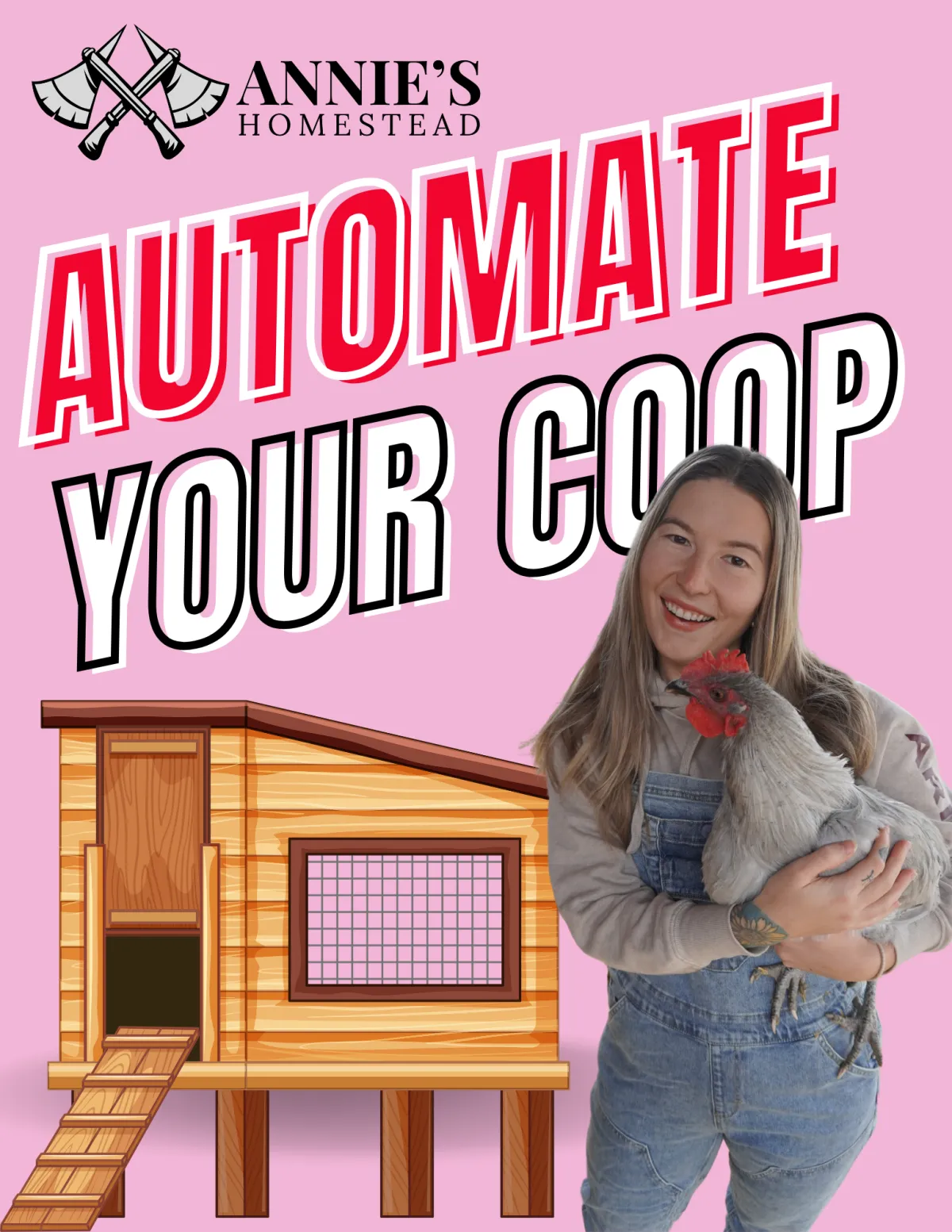
The exact automations Annie uses on her off-grid Idaho homestead — automatic doors, refillable waterers, everything that runs the coop so she doesn't have to babysit it.
Free. Because we don't gatekeep here.
Hey There,
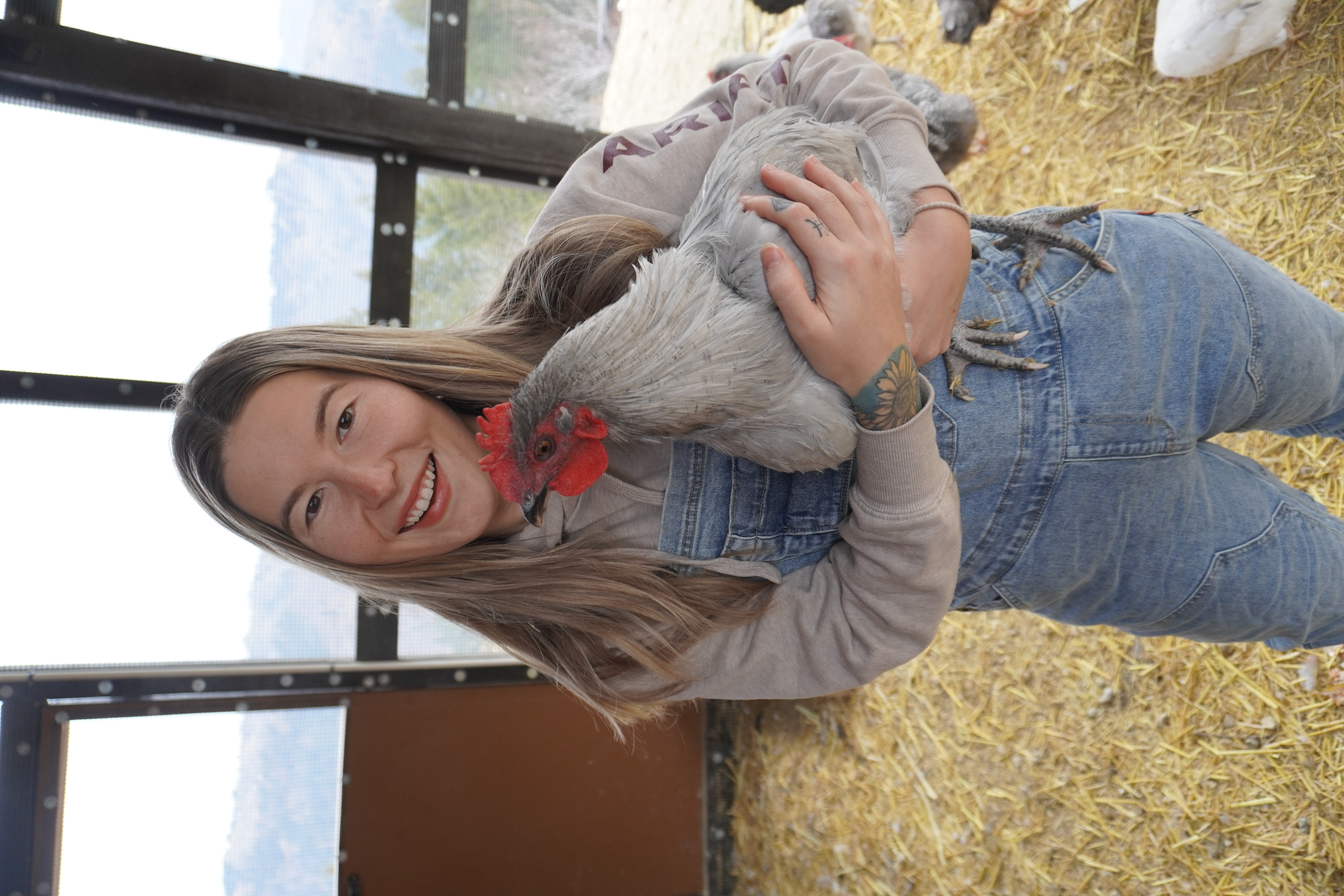
I'm Annie
I'm here to help you leave the system with ease
I live off-grid in the Idaho mountains with a flock of birds I hatched myself, an indoor grow room, and a greenhouse — because I'd rather know exactly what's going into my food than trust a label that doesn't have to tell me everything.
I built Annie's Homestead for the person who's started asking questions they can't unask. The person who reads ingredients now. The person who looked at the Palantir-USDA contract and thought — okay, it's time to build my own supply chain.
No sugar-coating. No gatekeeping. Just the real process, the real numbers, and honest answers about what it actually takes.
You found this page for a reason. Stick around.
Top Resources
Streamline your chore list with our chicken coop automation list
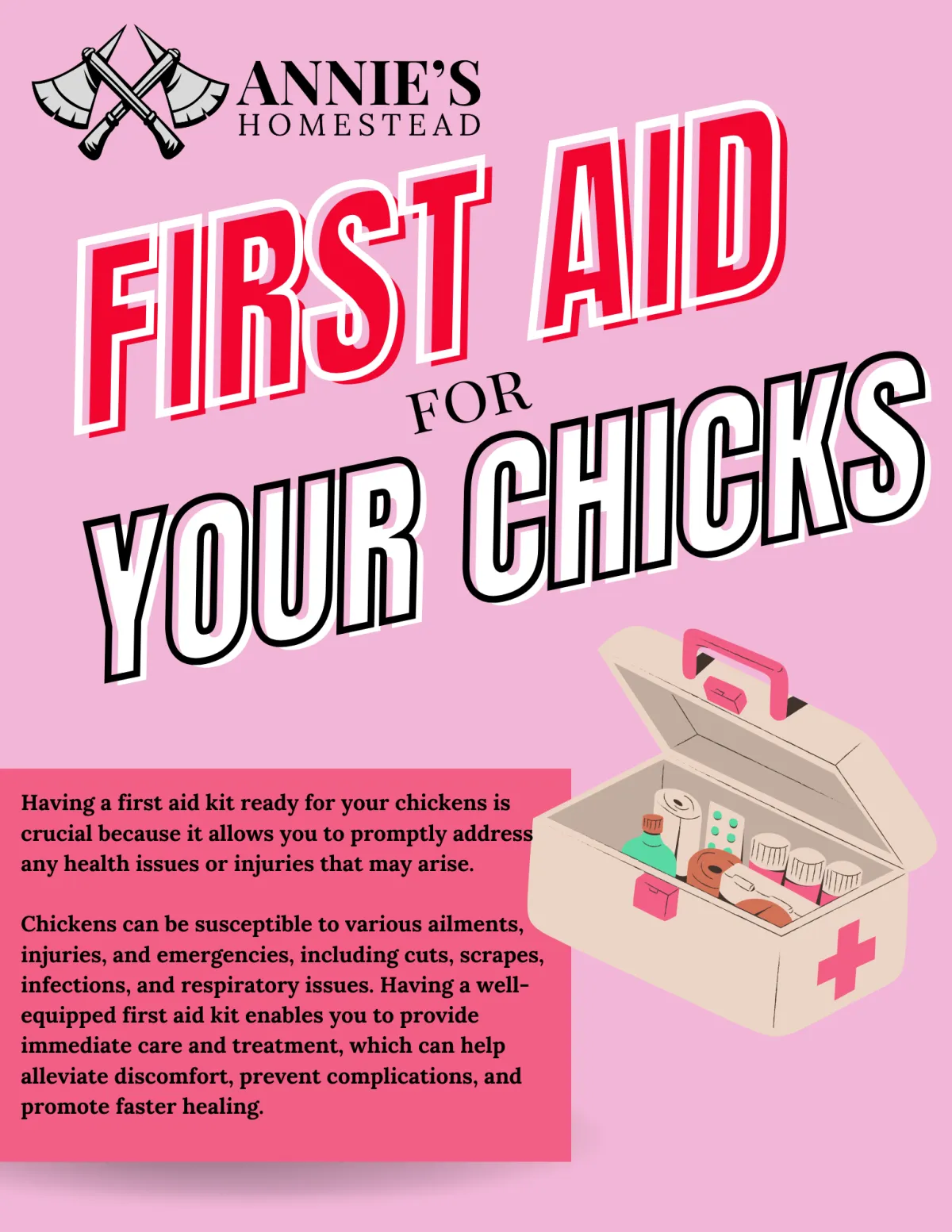
Prepare For Emergencies with our Chicken First Aid Kit
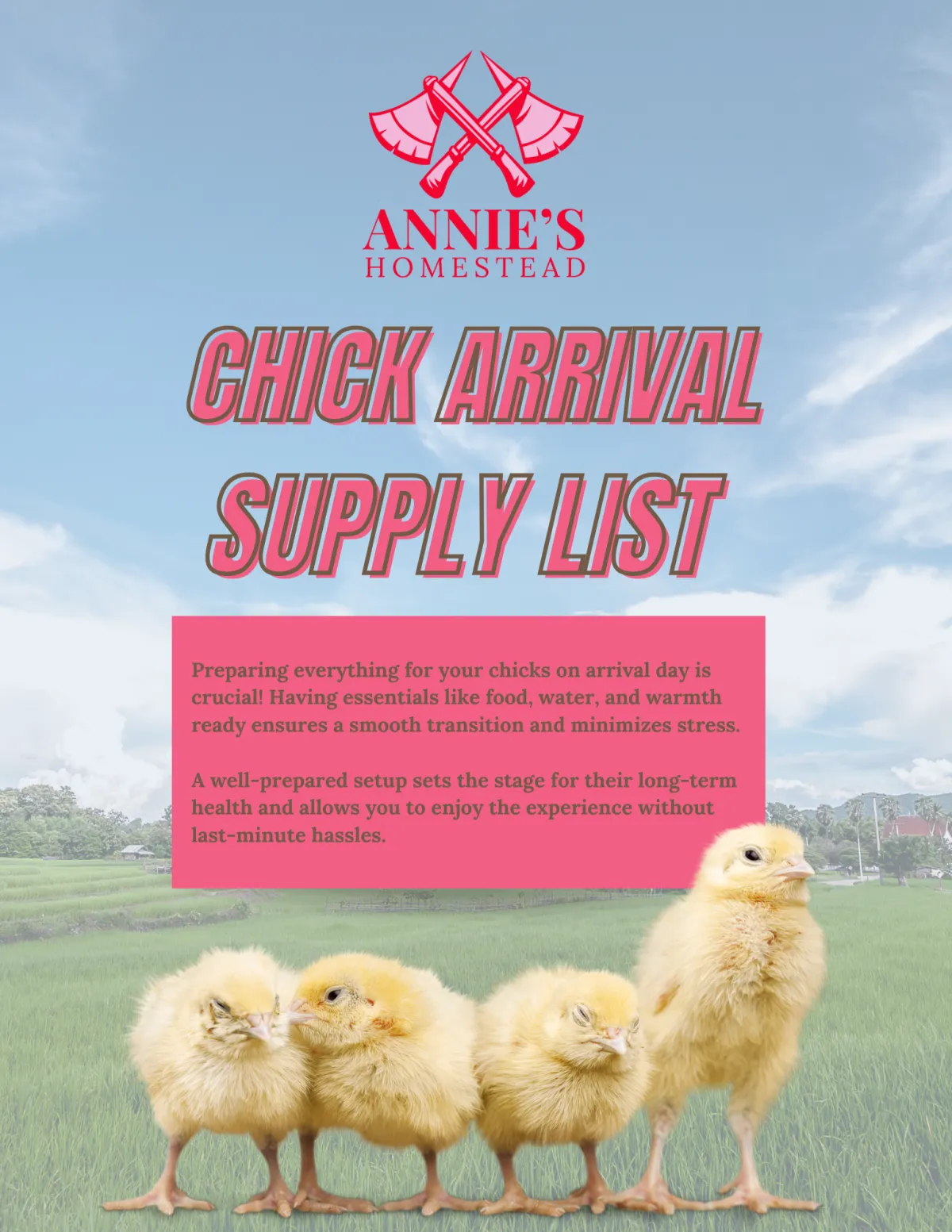
Prepare For Your New Chicks with our Favorite Essentials
Stay Updated
And join the inner circle
Be one of the firsts to know anything new and stay up to date with all the happenings on the homestead!
(I won't spam you ever - PROMISE!)
READ THE BLOG
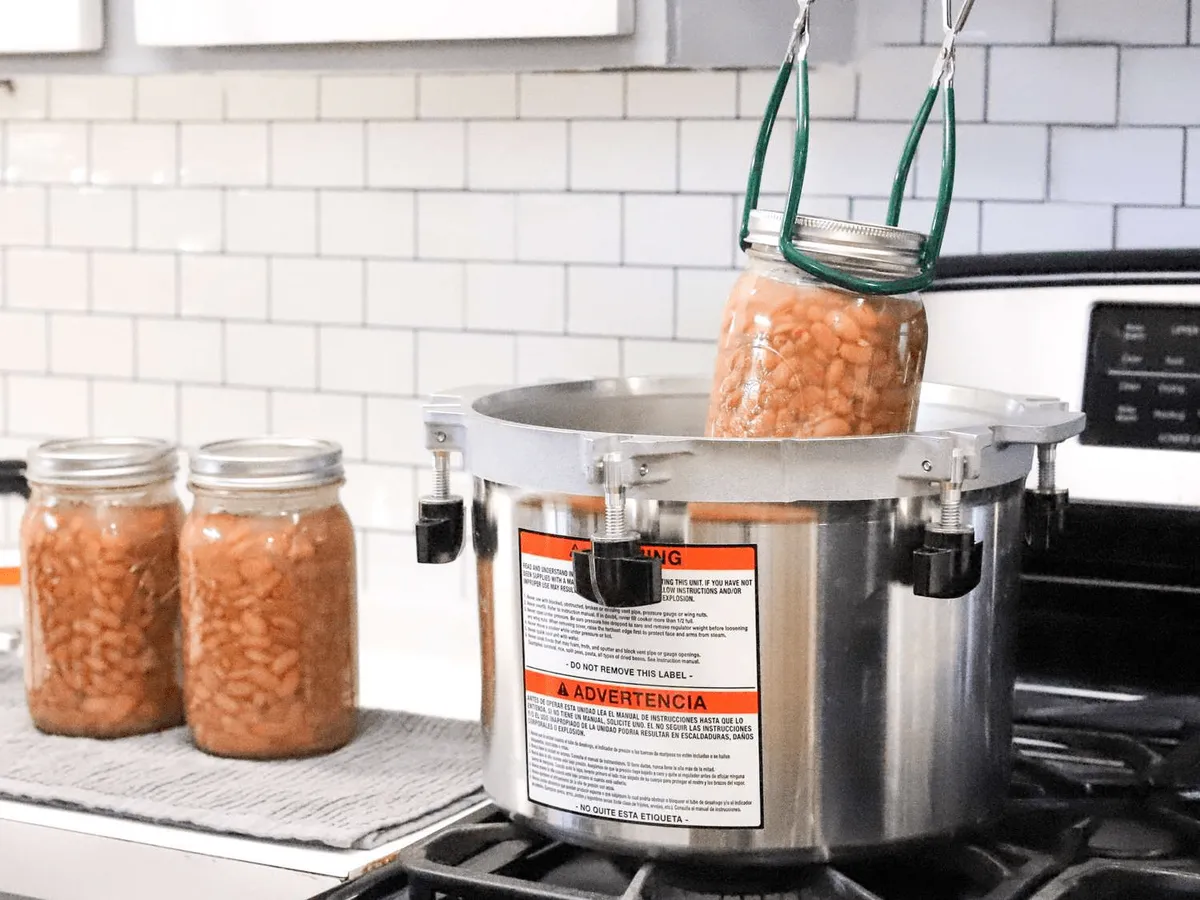
Safe Food Preservation for Beginners: Freeze, Dry, Store, or Can
Safe Food Preservation for Beginners: Freeze, Dry, Store, or Can
Harvest season can create a strange kind of pressure. Food is ready now, but your time, equipment, recipes, and energy may not be. The answer is not to preserve everything. The answer is to choose a safe method for the food you have and the life you actually live.
Freezing, drying, fermenting, cool storage, and canning can all be useful. None is automatically the best method for every household or every crop.
Food preservation is not a race. It is a process of managing quality, safety, time, and future use.
First decide whether you need to preserve it
Before starting a project, ask three questions:
- Will we eat this food later?
- Can we preserve it safely with the equipment and time available?
- Is the preserved form more useful than buying it later?
If the answer is no, share it, compost it, leave it for wildlife where appropriate, or accept that some food will not be saved. Throwing away a portion of an oversized harvest is frustrating, but spending hours preserving food that nobody eats is also waste.
Melissa K. Norris recommends planning preservation around what the household actually eats rather than preserving the largest possible amount. Her food preservation planning resource emphasizes planning ahead and breaking the work into smaller sessions.
Match the method to the food
Freezing
Freezing is often approachable because it can handle small batches and does not require a shelf-stable canning recipe. It does require reliable freezer space, packaging that limits air exposure, labeling, and a backup plan for power loss.
Some vegetables need preparation such as blanching before freezing to help maintain quality. Follow a current, tested guide for the specific food rather than assuming every vegetable should be packed raw.
Freeze food in quantities that match your meals. A large container may be cheaper per package but harder to thaw and use. Label the food, date, quantity, and any preparation notes.
Drying or dehydrating
Drying can reduce volume and create useful ingredients for soups, snacks, seasoning blends, or baking. The result depends on food preparation, slice thickness, temperature, airflow, moisture removal, and storage conditions.
A food that feels dry may still have enough moisture to mold if it is not fully dried or stored correctly. Use a current extension guide for the food and method. Store dried food in clean, appropriate packaging and check it periodically.
Cool or root-cellar storage
Some produce can be stored for a period of time under suitable temperature, humidity, ventilation, and darkness. This is not the same as putting produce in any basement or garage and hoping it lasts.
Utah State University Extension provides information on food storage in the home, including factors that affect storage. Check your actual space before relying on it. A warm room, pest access, or repeated temperature swings can shorten quality and create losses.
Fermentation
Fermentation requires a specific process, ingredients, time, and conditions. Use a tested recipe and understand signs of failure. Fermented foods are not automatically safe because they are homemade or because a jar has sealed.
Canning
Canning can create convenient shelf-stable food, but it is a science-based process. The acidity of the food, jar size, packing method, processing time, altitude, pressure, and equipment can all matter.
Treat canning instructions as safety instructions
The National Center for Home Food Preservation guidance explains why tested processes matter. The CDC home-canning guidance warns that botulinum toxin cannot be seen, smelled, or tasted and says not to taste food to decide whether it is safe.
Several rules are especially important:
- Use tested recipes from reliable sources.
- Do not casually alter the ratio of low-acid ingredients, acid, liquid, or processing time.
- Use the correct canning method for the food.
- Follow current instructions for jar size, processing time, pressure, and altitude.
- Inspect equipment and use it according to the manufacturer’s instructions.
- Label and date jars.
- Store jars in a clean, cool, dark place.
- If a jar is questionable, do not taste it. When in doubt, throw it out.
Low-acid foods such as many vegetables, meats, poultry, and seafood require particular care. The CDC states that pressure canning is the only recommended method for low-acid foods and warns against using boiling-water canning for those foods. Do not use a recipe from an old family notebook, social media comment, or search result unless it can be verified against current tested guidance.
What a sealed lid does not prove
A lid that seals indicates a vacuum may have formed. It does not prove that the food was processed safely. Safety depends on the full process, not on the appearance of the jar alone.
This is one reason canning panic is so unhelpful. Rushing, improvising, or processing more food than you can monitor increases the chance of mistakes. A smaller batch made carefully is better than a larger batch made under pressure.
Make a preservation plan before the harvest peaks
A simple plan can prevent the August scramble that many gardeners know. Create a list by crop:
| Crop | Fresh-use amount | Preservation method | Recipe or guide | Storage space | Use-by plan |
|---|---|---|---|---|---|
| Tomatoes | Weekly meals | Freeze or tested canning recipe | Specific source | Freezer or pantry | Sauces and soups |
| Herbs | Small bunches | Dry or freeze | Specific source | Jar or freezer | Everyday cooking |
| Beans | Fresh meals | Freeze or tested canning recipe | Specific source | Freezer or pantry | Side dishes |
The table does not need to be exact. Its purpose is to answer the questions that usually create panic: what will you do, when, with which equipment, and where will it go?
Break work into stages. Wash and sort the harvest. Use the best produce for the chosen method. Refrigerate what can safely wait. Process one manageable batch. Clean up before starting another. Melissa K. Norris notes that planning before the main harvest and dividing preservation into smaller sessions can make the season more manageable.
Preserve what fits your future meals
A jar, bag, or container is not a success unless it becomes food. Before preserving, write down how you will use it. Frozen greens may go into soup, eggs, pasta, or smoothies. Dried herbs may season pantry meals. Pickles may be used with sandwiches. Tomato sauce may support several dinners.
If you have no use for the result, preserve less. You can also preserve ingredients in forms that require less commitment. Freeze chopped vegetables in meal-sized portions rather than making a complicated recipe. Dry a small amount of herbs before investing in more equipment. Test one batch before filling a shelf.
The Reddit discussion about preservation methods is useful as a reminder that method choice depends on personal circumstances. Freezer space, electricity, climate, available time, cooking habits, and safety knowledge all affect the decision.
Learn one method well
If you are new to preservation, choose one method that fits your current situation. A freezer-based plan may be the most practical starting point for one household. Another may prefer drying or cool storage. Someone who wants to can should begin with a tested recipe and a basic understanding of the equipment rather than jumping into a large batch of low-acid foods.
Use extension resources, the National Center for Home Food Preservation, or a qualified local class. Utah State University Extension’s Preserve the Harvest site offers preservation resources and courses.
Do not let fear stop you from learning, but do not let enthusiasm bypass safety.
Your first action this week
Choose one crop or grocery item you already use. Find a current, tested preservation method. Make the smallest practical batch. Label it and write down whether your household actually uses it.
For a printable planning tool, add a [link to Annie’s Homestead preservation calendar]. For safe canning education, add a [link to Annie’s Homestead canning basics course], provided the linked material clearly directs readers to tested recipes and current safety guidance.
Food preservation should make future meals easier. If the project leaves you exhausted, uncertain, or surrounded by food you do not want, the method needs to change.

It's time to take the first step towards your homesteading journey.
Don't let uncertainty hold you back any longer.
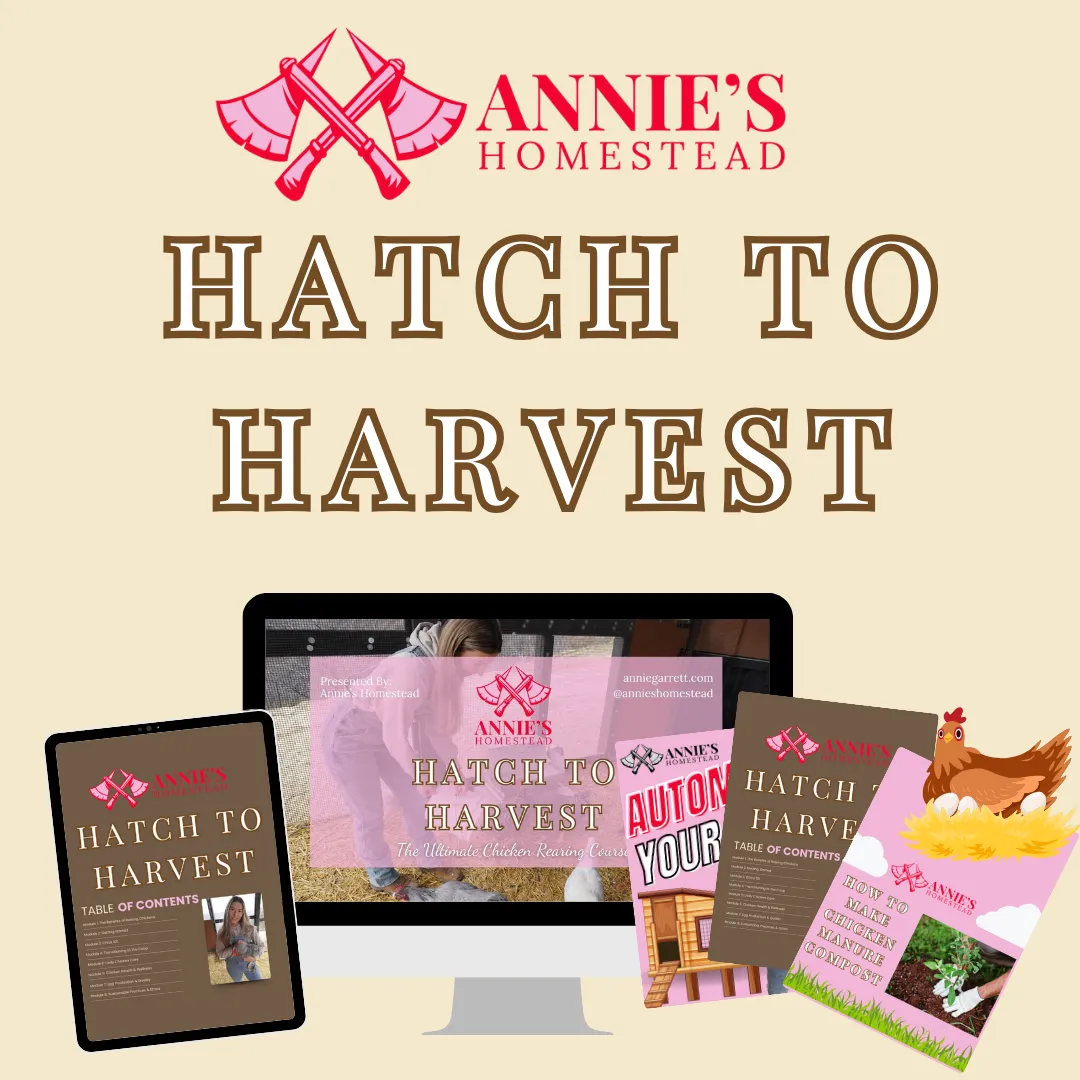
Our chicken course offers a comprehensive roadmap to self-sufficiency, guiding you step-by-step through the process of creating your own thriving flock, from hatch to harvest.
Enroll in our course today and take the first step towards a brighter, more empowered future!
Annie's Homestead is not affiliated by Facebook™ in any way. Facebook™ is a registered trademark of Facebook™ Inc
Branding and Website by RoyalT Studio