


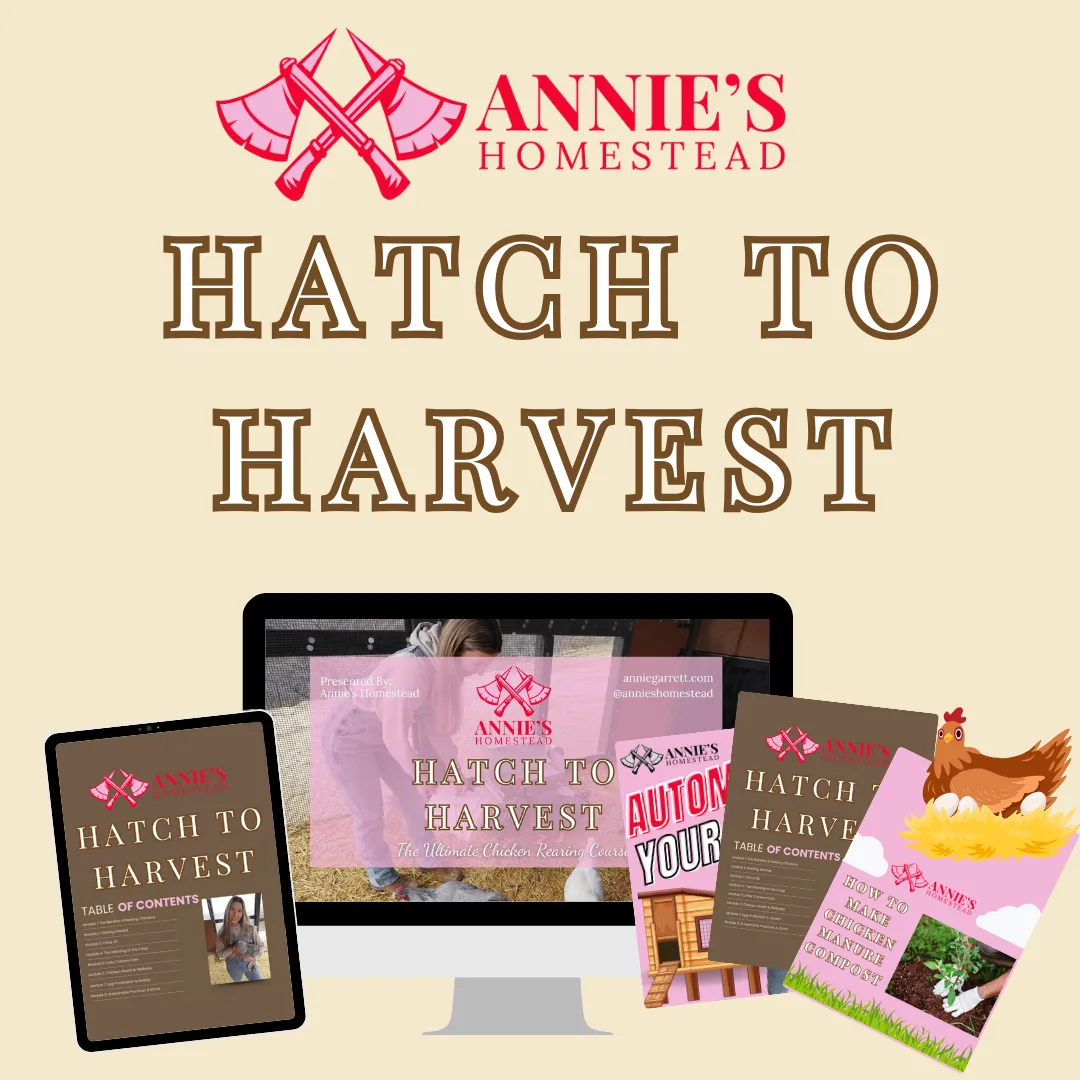
Welcome to Annie's Homestead
Take Your Homesteading to the next level!
Tired of grocery store mystery meat & wilting lettuce? Let’s grow real food, raise happy chickens, and earn money—no acres or fear required.
Does this sound familiar?
You’re over the mystery meat and wilted lettuce life.
You’re tired of not knowing what’s in your food—or where it came from. You're craving a real connection to your meals (and maybe a tomato that actually tastes like a tomato).You live in the city but your soul belongs in the dirt.
You’ve got dreams of chickens, raised beds, and canning jars—even if you're still stuck in a tiny apartment with a windowsill garden and a compost bin that scares your roommate.You’re ready to stop treating your homestead like a hobby.
You're putting in the work—growing food, raising animals, doing it all—and now you're wondering, “Wait... could this actually make money?”
If these frustrations resonate with you, you're not alone.
Let’s be real—lots of people want to live closer to the land...
But most of the info out there is either sugar-coated nonsense or so overwhelming it makes you want to throw your phone in the compost.
You're not alone—and you don't have to figure it all out yourself.
That's where Annie's Homestead comes in.

It's time to take control of your food, your lifestyle, and your future by embarking on a homesteading journey like no other.

Here, you'll find courses tailored to individuals just like you, providing you with a homestead roadmap

It's okay if you're living in a city right now! You can homestead exactly where you are.

Learning skills of fermentation, baking, bush craft, gardening and more, can help you become a homesteader even if you live in the heart of the city.

Turn your homestead into a cash cow by capitalizing on your talents so you can leave your 9-5.

Are you a home baker or gardener? Or neither? Our Homestead courses will help you discover your passion to turn into an income.
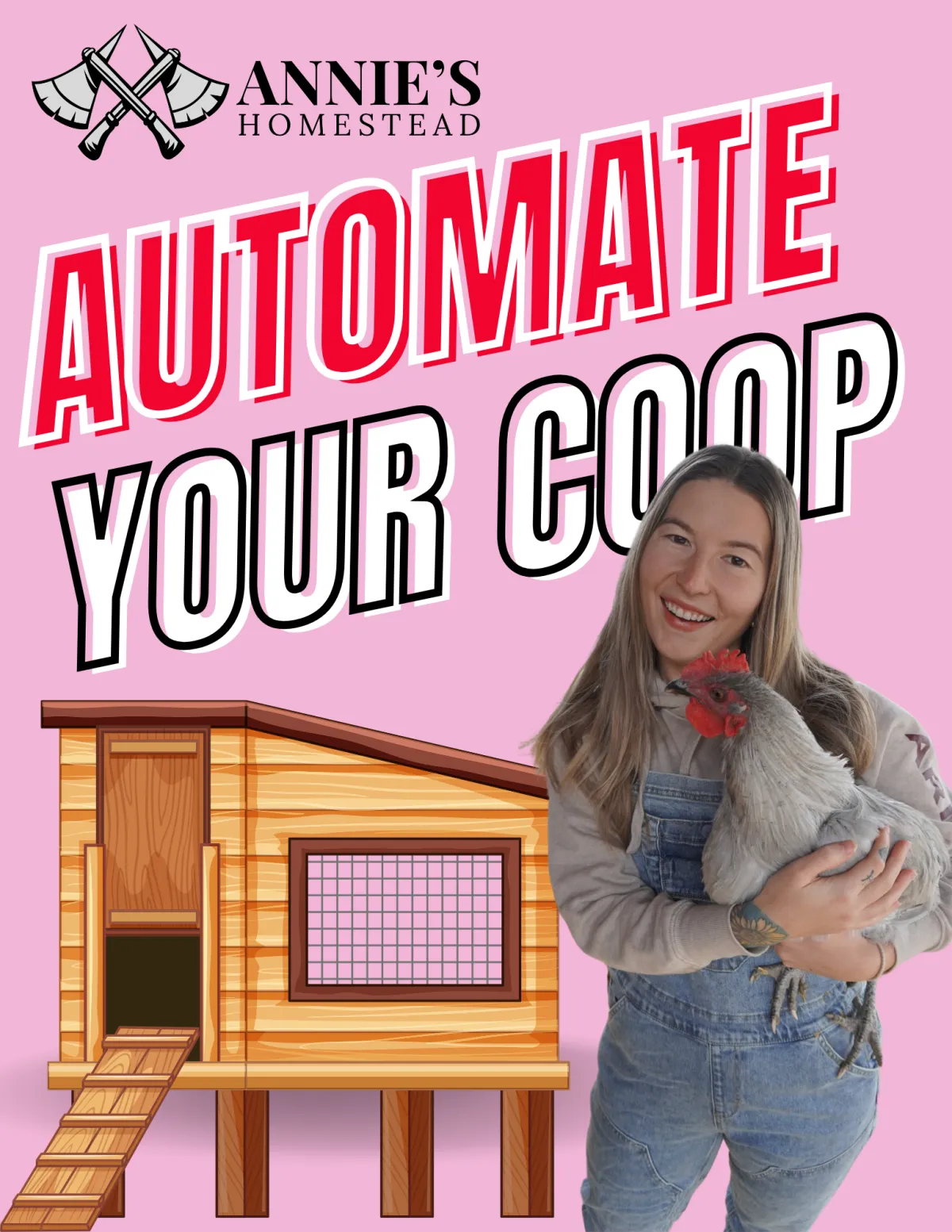
chicken coop automations
Want to streamline your chores?
From automatic door openers to refillable waterers, these innovations streamline maintenance tasks, ensuring your flock stays happy and healthy with minimal effort on your part.
Whether you're a seasoned keeper or just starting out, these time-saving solutions are a game-changer for any chicken enthusiast.
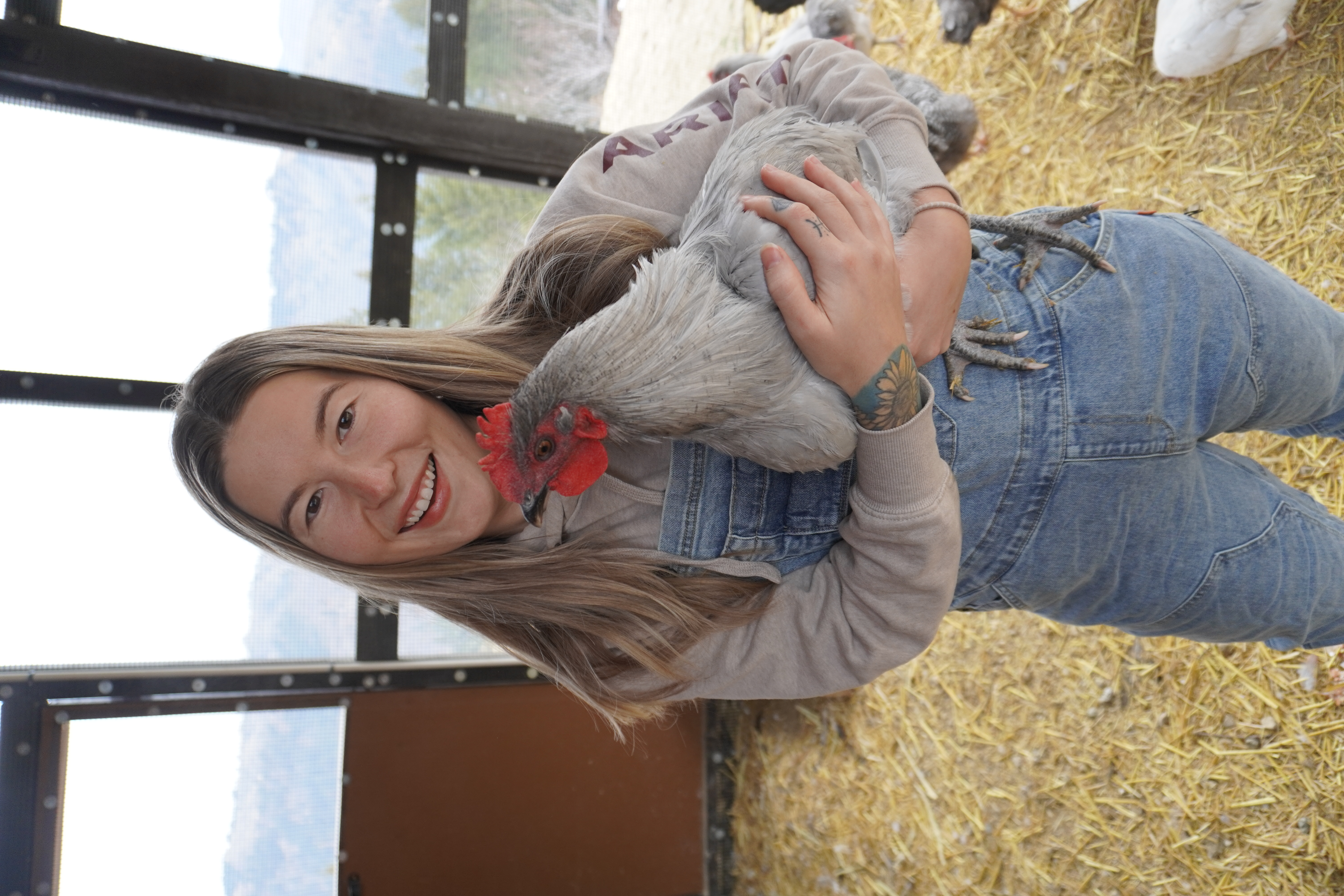
Hey There,
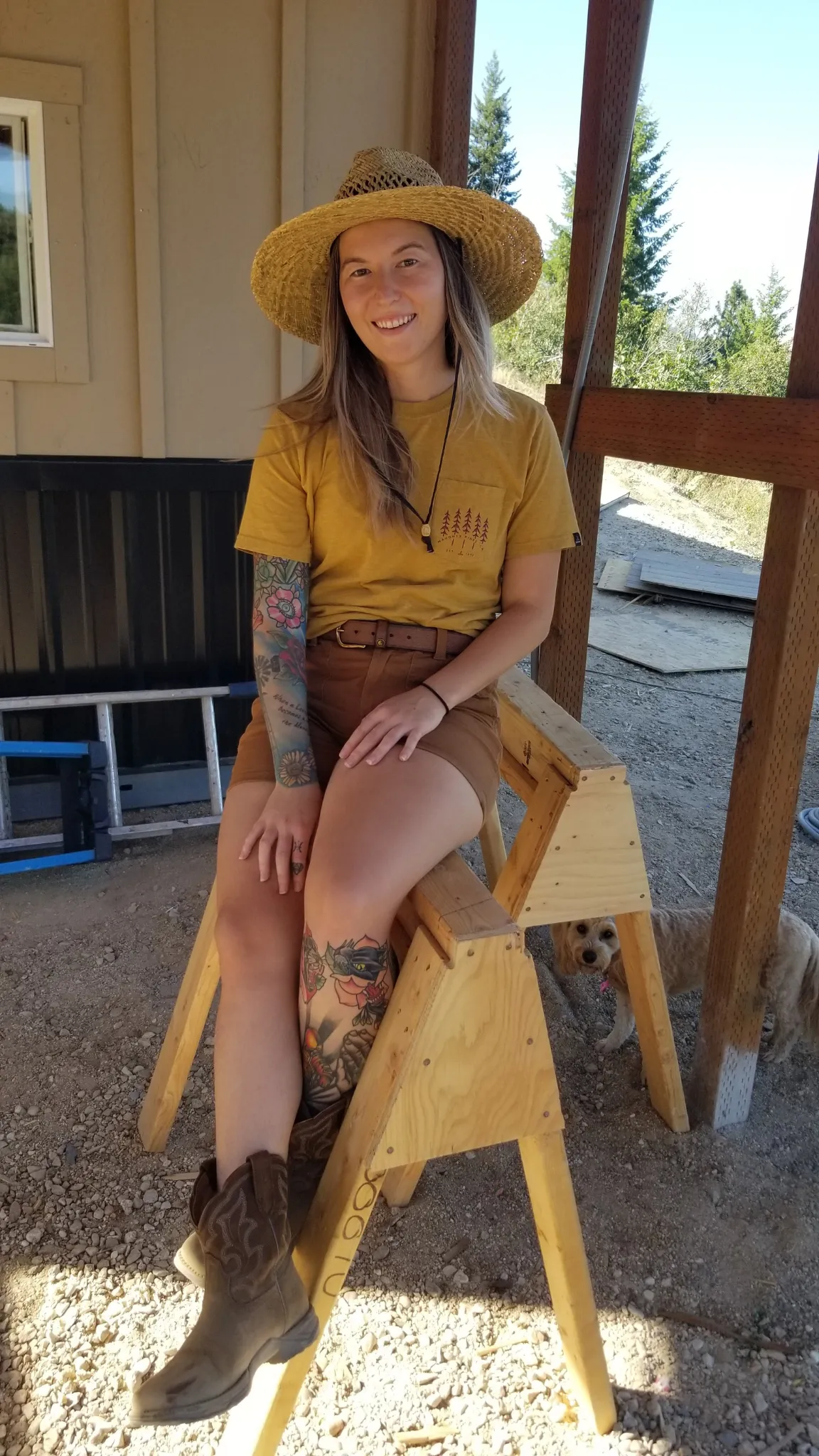
I'm Annie
I'm here to help you homestead with ease
You want to raise clean food. You want chickens that thrive, a garden that actually produces, and maybe even a little off-grid dream of your own.
But every time you Google something, it turns into a black hole of conflicting advice, overpriced courses, and blog posts that never really get to the point.
I get it. I was there too.
Now I live off-grid with a flock of mixed birds, an indoor grow room, and a greenhouse—because I’d rather avoid whatever’s falling from those ch3mtra!ls in the sky. I created Annie’s Homestead to make real-deal, straight-to-the-point content that helps you feel confident, not confused.
No gatekeeping. Just honest, tested resources to help you grow food, raise birds, and get out of the system—one chicken (or coop automation) at a time.
Top Resources
Streamline your chore list with our chicken coop automation list
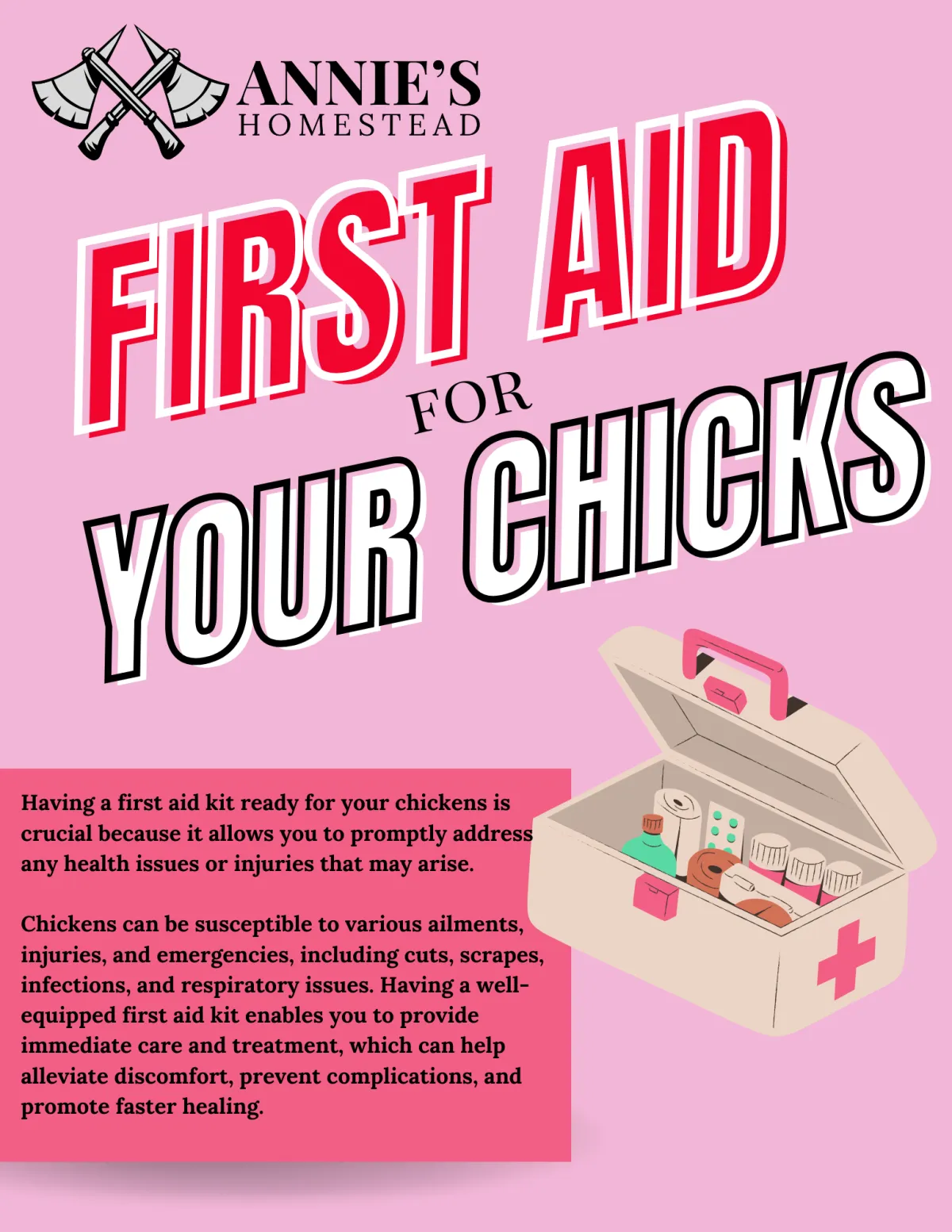
Prepare For Emergencies with our Chicken First Aid Kit
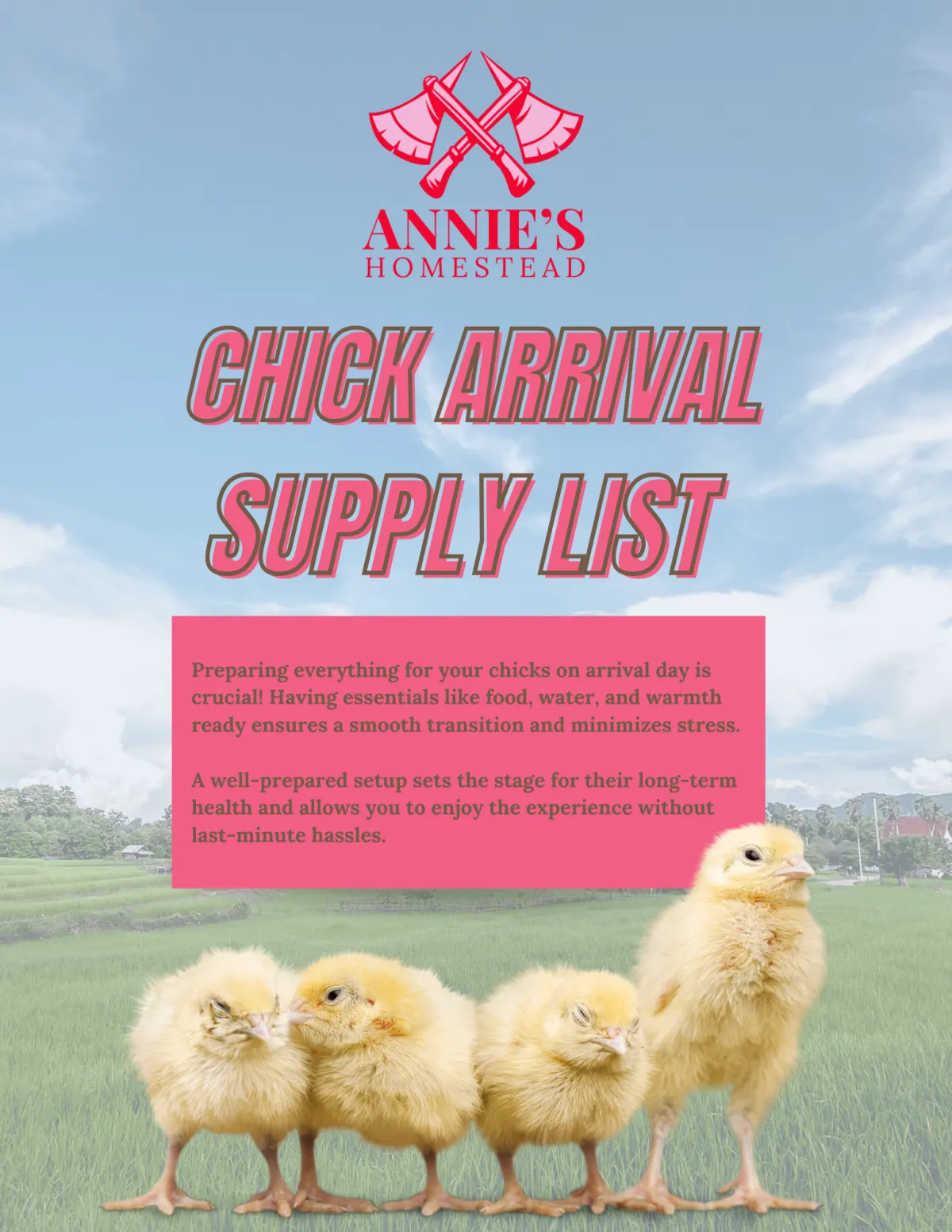
Prepare For Your New Chicks with our Favorite Essentials
Stay Updated
And join the newsletter
Be one of the firsts to know anything new and stay up to date with all the happenings on the homestead!
(I won't spam you ever - PROMISE!)
Read The Blog
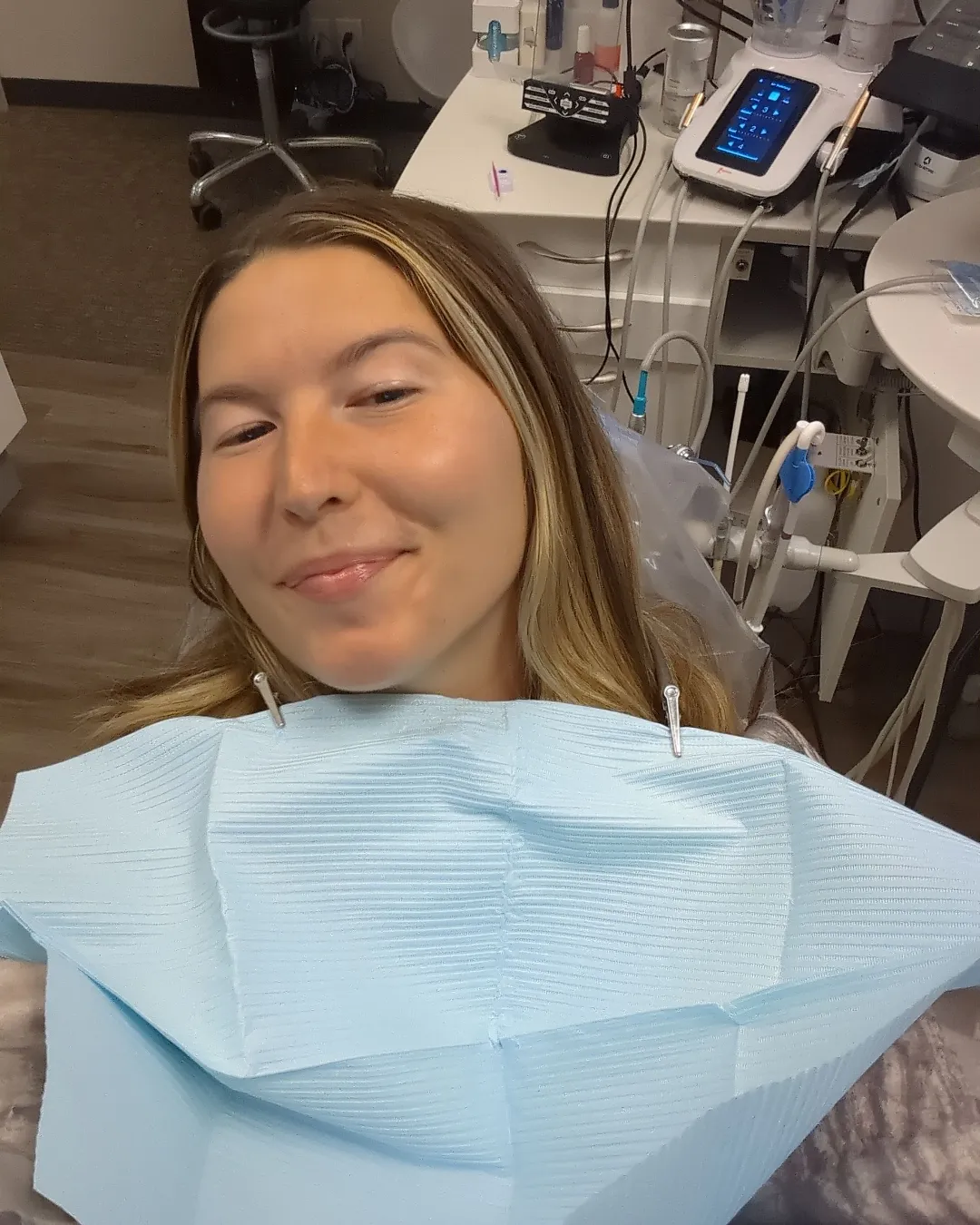
What Are Cavitations — And Why Most Dentists Won't Even Look For Them
What Are Cavitations — And Why Most Dentists Won't Even Look For Them
Nobody told me this was a thing.
And honestly? Most dentists won't even look for it. Not because they're hiding something — but because they were never trained to. Conventional dentistry doesn't have a great track record of connecting what's happening in your jaw to what's happening in the rest of your body.
But after my cavitation surgery, I can't un-know what I know now.
What Is a Cavitation?
When wisdom teeth (or any tooth) are extracted, the bone is supposed to fully heal and fill back in. But sometimes it doesn't. Instead, the bone dies off in that spot and gets walled off by the body — leaving a pocket of necrotic, infected bone sitting silently in your jaw.
That pocket is called a cavitation.
Your immune system is constantly fighting it in the background. Low-grade, chronic, invisible. You never fully recover. You just slowly drain — like a phone that's always running something in the background that you can't see.
The worst part? Cavitations don't show up on regular X-rays.
Most conventional dentists use standard 2D X-rays that simply aren't capable of detecting this kind of bone pathology. If they don't use cone beam CT (CBCT) imaging or specific diagnostic tools, they're not going to find it — and they won't tell you to look because they don't know it's there.
What Mine Felt Like
I had no idea I had cavitations. But I knew something was off.
For years I felt slow. Exhausted no matter how much I slept. Foggy. Like I was always operating at 70% no matter what I did. I had chalked it up to life — to being busy, to burnout, to just being a tired person.
I wasn't a tired person.
I had infections sitting in my jaw that nobody had ever looked for.
How I Found Out
I had my cavitations identified by Dr. Sam Petersen at BioSmiles in Eagle, Idaho — a biological dental practice that actually looks at the whole picture.
Dr. Petersen uses imaging and diagnostic tools that most conventional practices don't even have. He's specifically trained in biological dentistry, which means he's looking at your mouth as part of your entire body — not just a collection of teeth to fill and pull.
When he found mine, it wasn't a surprise that I'd been feeling the way I had. It made complete sense.
The Surgery
Cavitation surgery involves going back into the extraction site, removing the dead and infected bone, and properly debriding and cleaning the area so the body can finally heal it the way it was supposed to the first time.
At BioSmiles, Dr. Petersen uses a biological approach to the procedure itself:
Ozone therapy to disinfect and support healing
Platelet-rich fibrin (PRF) — made from your own blood — to accelerate bone regeneration naturally
Minimally invasive techniques to reduce trauma and support a faster recovery
No harsh chemicals. No unnecessary damage. Just helping your body finally finish what it started.
What Changed After Surgery
The fog cleared.
The bone-deep exhaustion I had carried for years started to lift. I felt like my brain was actually online. Like the low hum of something wrong in the background had finally gone quiet.
I hadn't realized how much that hidden infection was costing me until it was gone.
Who Should Look Into This
If you've had wisdom teeth removed — especially years ago — and you've never felt quite right since, this is worth looking into. Especially if you deal with:
Chronic fatigue that doesn't respond to sleep
Brain fog or difficulty concentrating
Immune issues or frequent illness
Mystery symptoms that nobody can explain
The connection between oral health and systemic health is real, well-documented, and wildly underacknowledged in conventional medicine.
Your mouth is not separate from your body.
Find a Biological Dentist
If you're in the Treasure Valley, book a consult with Dr. Sam Petersen at BioSmiles. If you're not local, search for a biological or holistic dentist in your area who uses CBCT imaging and is trained in cavitation detection and treatment.
📍 BioSmiles — Eagle, Idaho | @theboisenaturaldentist
This is part 2 of my dental health series. Read Part 1 on amalgam mercury filling removal here. Up next: exactly what I did after surgery to support my body through healing — including IV drips, peptides, red light therapy, and more.
Disclaimer: I'm not a doctor and this is not medical advice. This is my personal experience. Always do your own research and consult a qualified healthcare provider.
It's time to take the first step towards your homesteading journey.
Don't let uncertainty hold you back any longer.
Our homesteading courses offer a comprehensive roadmap to self-sufficiency, guiding you step-by-step through the process of creating your own thriving homestead, no matter where you live.
Enroll in our course today and take the first step towards a brighter, more empowered future!

Annie's Homestead is not affiliated by Facebook™ in any way. Facebook™ is a registered trademark of Facebook™ Inc
Branding and Website by RoyalT Studio