


Welcome to Annie's Homestead
You stopped trusting the system.
Now let's build your way out of it
Learn how to grow real food, real birds, for real independence.
Does this sound familiar?
You've been reading labels and not likeing what you see.
You don't fully trust the grocery store, the supply chain, or what the label actually means. You're not paranoid. You're paying attention. And you're ready to do something about it.You want to know where your food actually comes from.
You want to know the bird, the feed, the ground it walked on. You want the full chain — and you want to own it.You’re done waiting for the system to fix itself.
Whether you have five acres or a back patio, you're ready to start building something that doesn't depend on anyone else. One seed. One egg. One jar at a time.
If any of that sounds like you — you're exactly who this is for.
Most homesteading content online is either a Pinterest fantasy or a 47-step overwhelm spiral. Neither helps you actually do anything.
This isn't that.
Annie's Homestead is no-gatekeep, straight-to-the-point resources for people who are done outsourcing their food supply to a system they don't trust. We go into the detail. We share what actually works. And we don't pretend it's simpler than it is — because you're smart enough to handle the real version.
That's where Annie's Homestead comes in.
Start exactly where you are.
You don't need land, livestock, or a barn. You need a direction and someone who's actually done it. Whether you have a backyard or a window ledge, the first step is the same: start something you can eat.

Know what's in your food — because you put it there.
From egg selection to hatch day. From mealworms to free-range. From seed to harvest. Annie covers the full chain because the full chain is the whole point.

Build skills that make you less dependent.
Fermentation. Incubation. Coop automation. Food preservation. Every skill you learn is one less thing you need from a system you don't trust. That's not a hobby. That's a strategy.
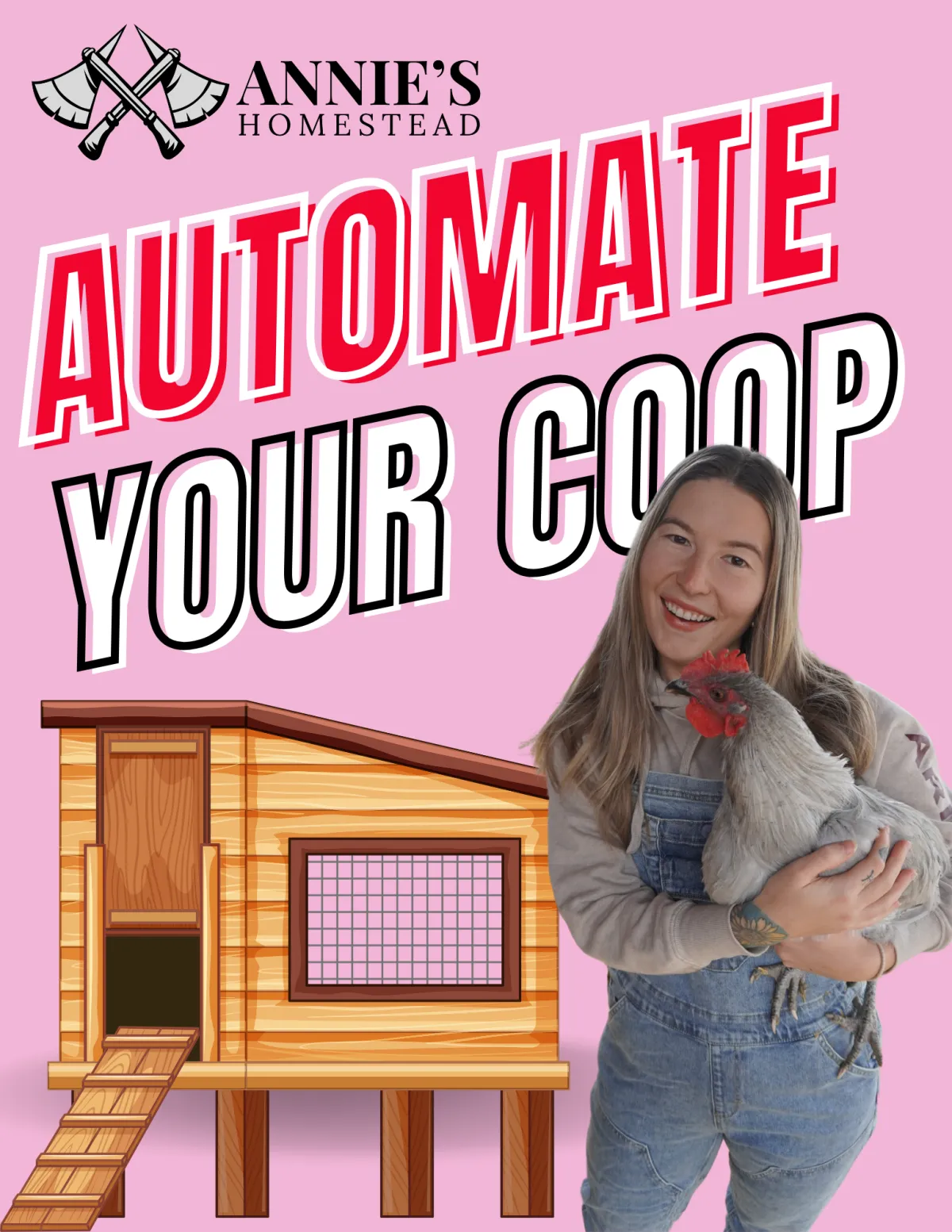
Free: Automate Your Coop
Want to streamline your chores?
Less time on chores.
More time on everything else.
The exact automations Annie uses on her off-grid Idaho homestead — automatic doors, refillable waterers, everything that runs the coop so she doesn't have to babysit it.
Free. Because we don't gatekeep here.
Hey There,
I'm Annie
I'm here to help you leave the system with ease
I live off-grid in the Idaho mountains with a flock of birds I hatched myself, an indoor grow room, and a greenhouse — because I'd rather know exactly what's going into my food than trust a label that doesn't have to tell me everything.
I built Annie's Homestead for the person who's started asking questions they can't unask. The person who reads ingredients now. The person who looked at the Palantir-USDA contract and thought — okay, it's time to build my own supply chain.
No sugar-coating. No gatekeeping. Just the real process, the real numbers, and honest answers about what it actually takes.
You found this page for a reason. Stick around.
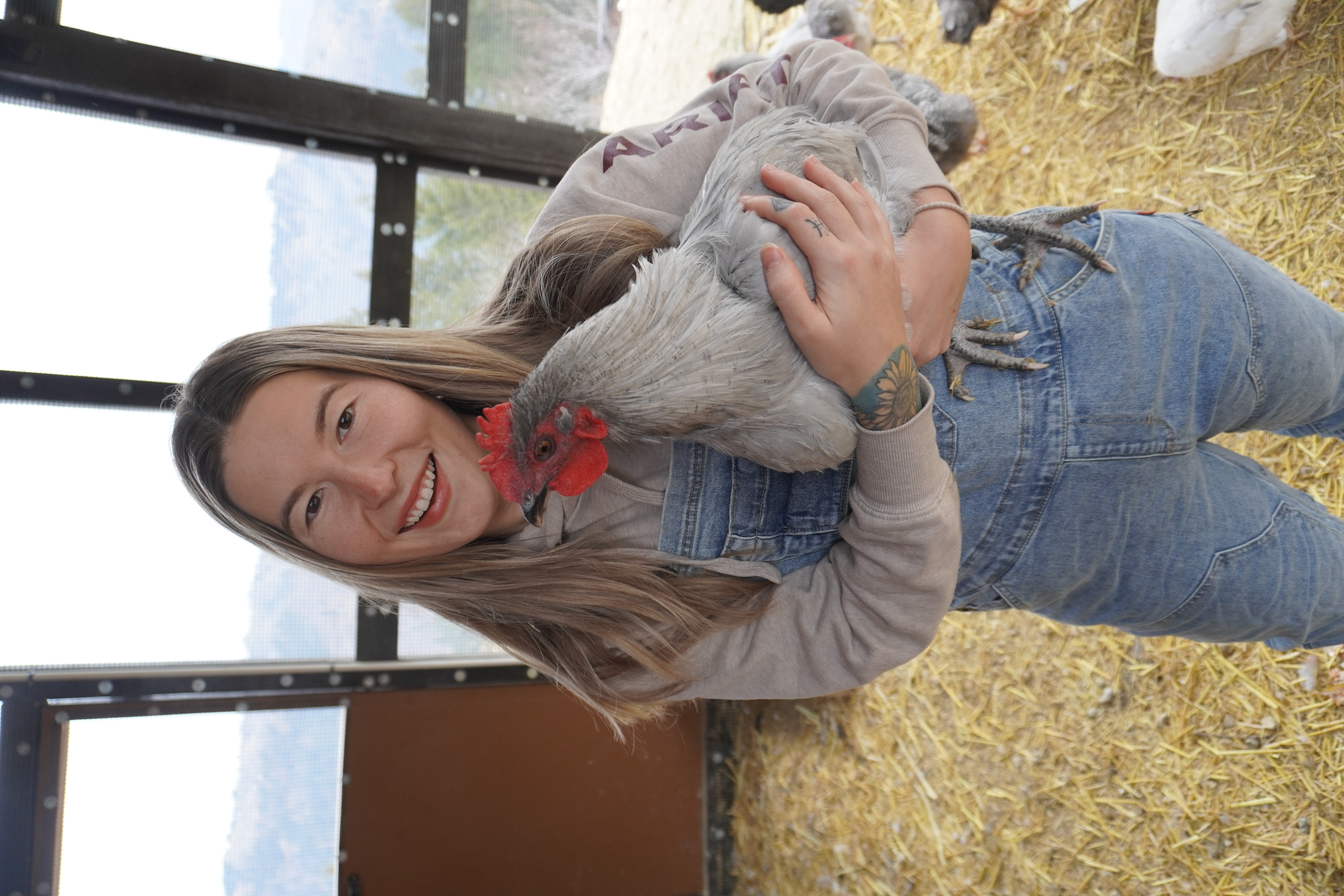
Top Resources
Streamline your chore list with our chicken coop automation list
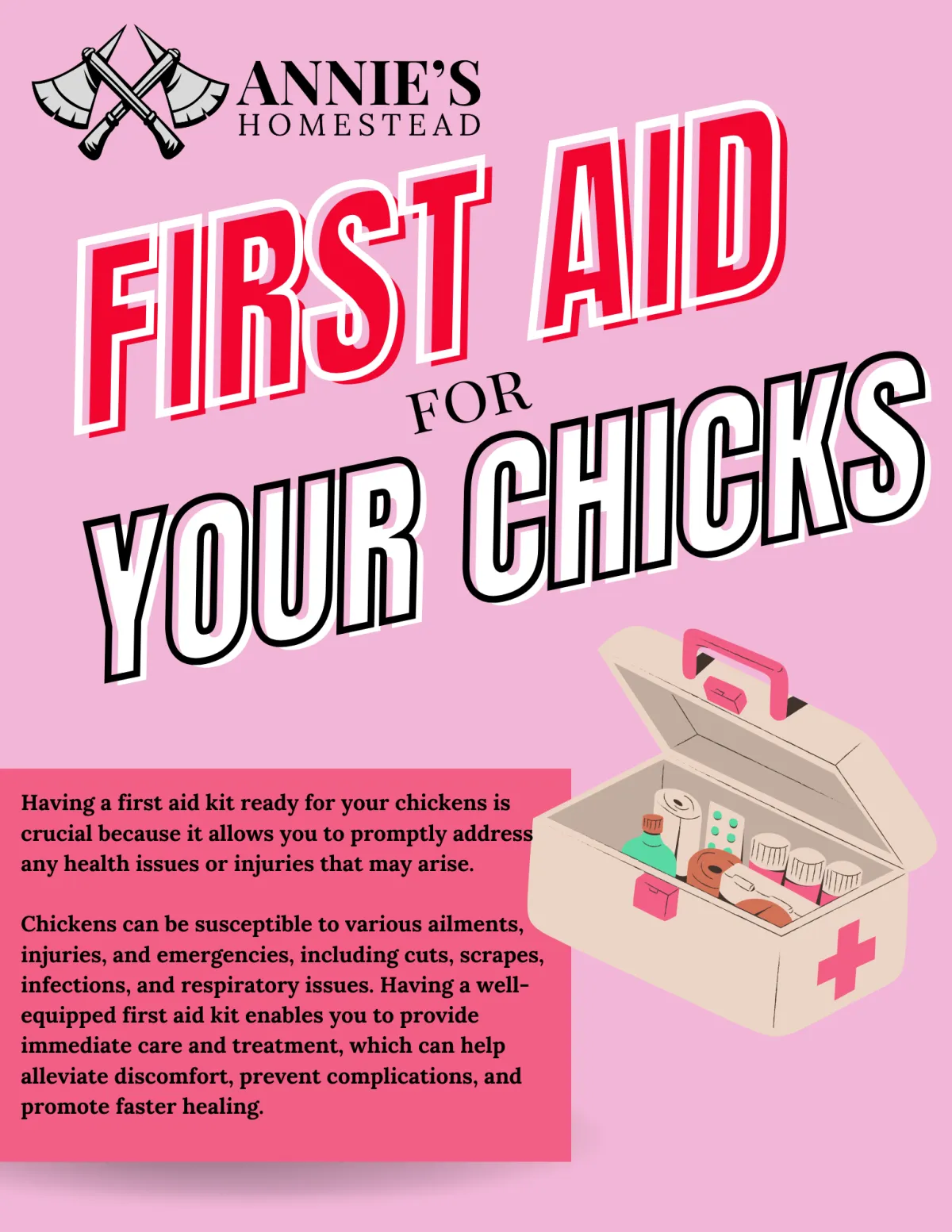
Prepare For Emergencies with our Chicken First Aid Kit
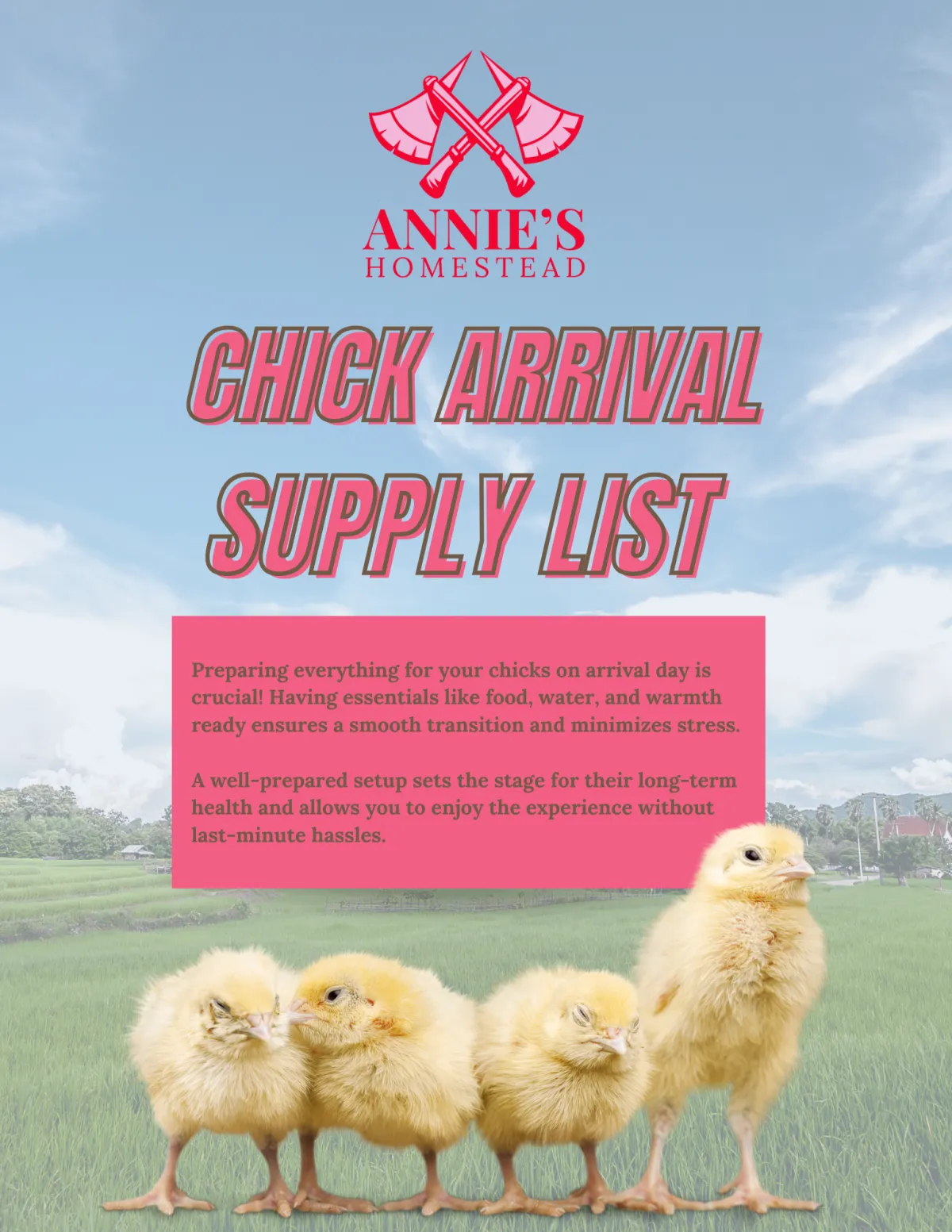
Prepare For Your New Chicks with our Favorite Essentials
Stay Updated
And join the inner circle
Be one of the firsts to know anything new and stay up to date with all the happenings on the homestead!
(I won't spam you ever - PROMISE!)
READ THE BLOG
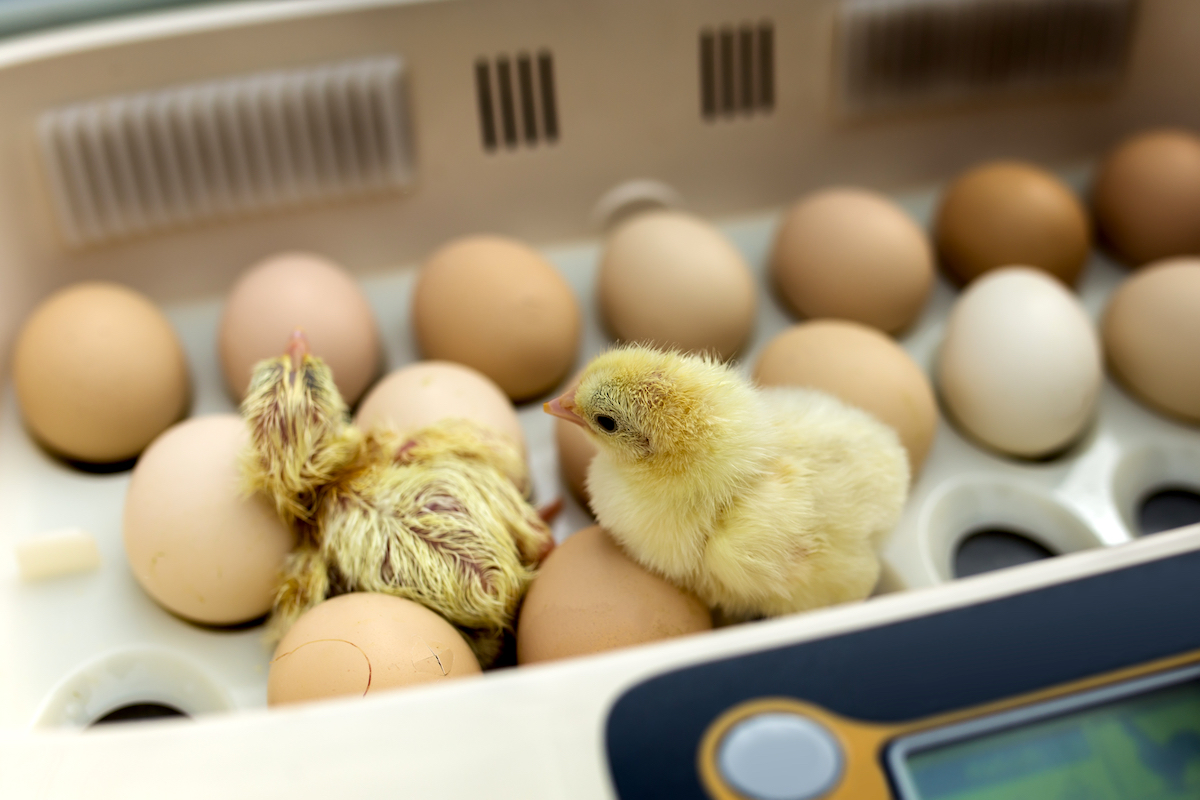
Chickens, Local Food, and Community: A Practical Food Resilience Plan
Chickens, Local Food, and Community: A Practical Food Resilience Plan
Food resilience is often presented as an individual project: grow everything, raise animals, preserve every harvest, and become independent from the grocery store. That image may be attractive, but it leaves out the cost, labor, regulations, infrastructure, risk, and relationships that make food systems work.
A more realistic approach connects several smaller sources of support: a pantry, a modest garden, preservation skills, local producers, neighbors, and perhaps animals if they genuinely fit your household.
You do not need to do everything yourself to be more resilient.
Decide what problem you are trying to solve
Before adding chickens, a larger garden, or a local-food buying routine, name the problem.
Are you trying to:
- Lower grocery spending?
- Have eggs available more often?
- Eat more fresh food?
- Prepare for short disruptions?
- Reduce dependence on long-distance supply chains?
- Find better ways to use garden surplus?
- Build relationships with people nearby?
Different problems call for different solutions. Chickens may help with eggs and manure, but they require daily care, housing, feed, water, predator protection, and a plan for illness, injury, aging, and production changes. A local farm share may provide seasonal food without requiring animal care. A neighborhood buying group may improve access without requiring land.
Treat backyard chickens as livestock, not décor
Interest in backyard chickens appears in search and social conversations, including Google Trends data for backyard chickens in the United States. That is an audience signal, not proof that every reader wants a flock or that a flock will save money.
Chickens need dependable daily care. Before getting them, check local laws, zoning, noise rules, limits on flock size, and any restrictions on roosters or slaughter. Consider who will provide care during travel, illness, extreme weather, or emergencies.
Budget for more than the birds. Costs may include a coop, secure run, bedding, feed, water equipment, repairs, veterinary care, replacement birds, and predator protection. Prices vary widely, so do not publish a savings claim without current local numbers and a clear comparison.
Eggs are not guaranteed on your schedule
Egg production changes with age, health, breed, season, daylight, stress, nutrition, and other conditions. A flock is not a machine that produces a fixed number of eggs every day. If your food plan depends on eggs, keep a backup protein plan.
Also plan for the whole animal lifecycle. Young birds mature. Older hens may produce fewer eggs. Illness and injury can happen. Responsible care means making decisions before a problem occurs, not only when a crisis is already underway.
Build predator protection into the plan
Chickens are prey animals. Colorado State University Extension notes that threats can include domestic dogs, snakes, rats, owls, hawks, raccoons, coyotes, bobcats, and other predators. Its chickens and predators guide recommends secure housing, clean surroundings, appropriate fencing, attention to nighttime locking, and predator-aware run design.
A practical setup may include:
- A coop that can be securely closed at night
- A run with appropriately small and strong mesh
- Protection against digging beneath the fence
- Covered areas where aerial predators are a concern
- Clean feed storage and prompt removal of spills
- A routine for checking latches, holes, and weak points
- A plan for hot, cold, wet, and smoky weather
Chicken wire is not automatically predator-proof. Mesh size, wire strength, fasteners, roof coverage, and perimeter protection matter. The right setup depends on local predators and the design of the enclosure.
Do not add birds before you have a safe place to keep them.
Connect chickens to the pantry carefully
If you keep chickens, include them in the same food system as the pantry and garden. Track feed use, egg production, storage, and actual household consumption. Use eggs while they are fresh and follow current food-safety guidance for storage and handling.
Garden scraps are not a complete poultry diet. Do not assume that kitchen leftovers or garden waste can replace balanced feed. Ask a veterinarian, extension service, or poultry specialist about nutrition for your birds and local conditions.
Chicken manure can contribute to soil fertility, but it must be managed appropriately. Fresh manure is not automatically ready to use around every crop. Follow local extension guidance for composting and application, especially for edible crops.
Local food can provide resilience without adding livestock
Local food connections can take many forms:
- Farmers markets
- Community-supported agriculture
- Local farms and ranches
- Community gardens
- Food co-ops
- Neighborhood buying groups
- Food-preservation exchanges where legal and safe
- Seed libraries and gardening groups
- Local extension classes
- Mutual-aid or emergency food networks
The right connection depends on location, budget, transportation, season, storage space, and accessibility. A local source is not automatically cheaper or more available, and seasonal supply can vary. Treat local food as one layer in the system rather than a replacement for every other layer.
Build relationships before you need them
Community resilience is easier to access when relationships exist before a disruption. Start with ordinary exchanges: share surplus herbs, trade garden knowledge, participate in a local class, or ask a neighbor what grows well nearby.
Do not assume every neighbor wants to share labor, food, tools, or personal information. Good community systems respect boundaries and make participation voluntary. Offer clear, small ways to help rather than expecting everyone to adopt the same lifestyle.
Avoid the self-sufficiency trap
No household is completely independent. Even a productive homestead may rely on purchased seed, tools, fuel, medical care, feed, replacement parts, internet access, transportation, or outside knowledge.
That is not failure. Interdependence is normal. A food buffer becomes stronger when it has multiple supports:
- Food you already have at home
- Food you can grow in a manageable amount
- Preservation or storage methods you can use safely
- Local sources you can access
- People and organizations that can help during difficulty
If one layer fails, another may still help. A freezer outage does not erase a pantry. A crop failure does not erase a local market. A sick chicken does not erase your emergency meal plan.
Make the next addition small
Choose one connection to test for a season. You might buy from one local producer, join a community garden, attend a poultry class, or share a garden surplus with a neighbor. Track the real cost, labor, reliability, and usefulness.
If you are considering chickens, first complete a written checklist covering local rules, daily care, housing, predator protection, feed, water, health care, travel coverage, and end-of-life decisions. For readers who want structured instruction, add a [link to the chicken course]. For community-based food planning, add a [link to Annie’s Homestead local food resource].
Your first action this week
Write down one food need you cannot easily meet with your current pantry and garden. Then identify one local source or relationship that could complement your plan. Do not commit to a flock or major purchase until you understand the actual work involved.
Food resilience is not measured by how many responsibilities you can collect. It is measured by whether your household has more practical options when ordinary systems become difficult.
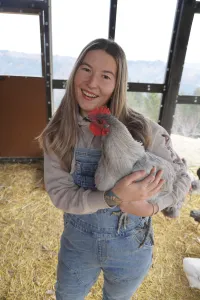
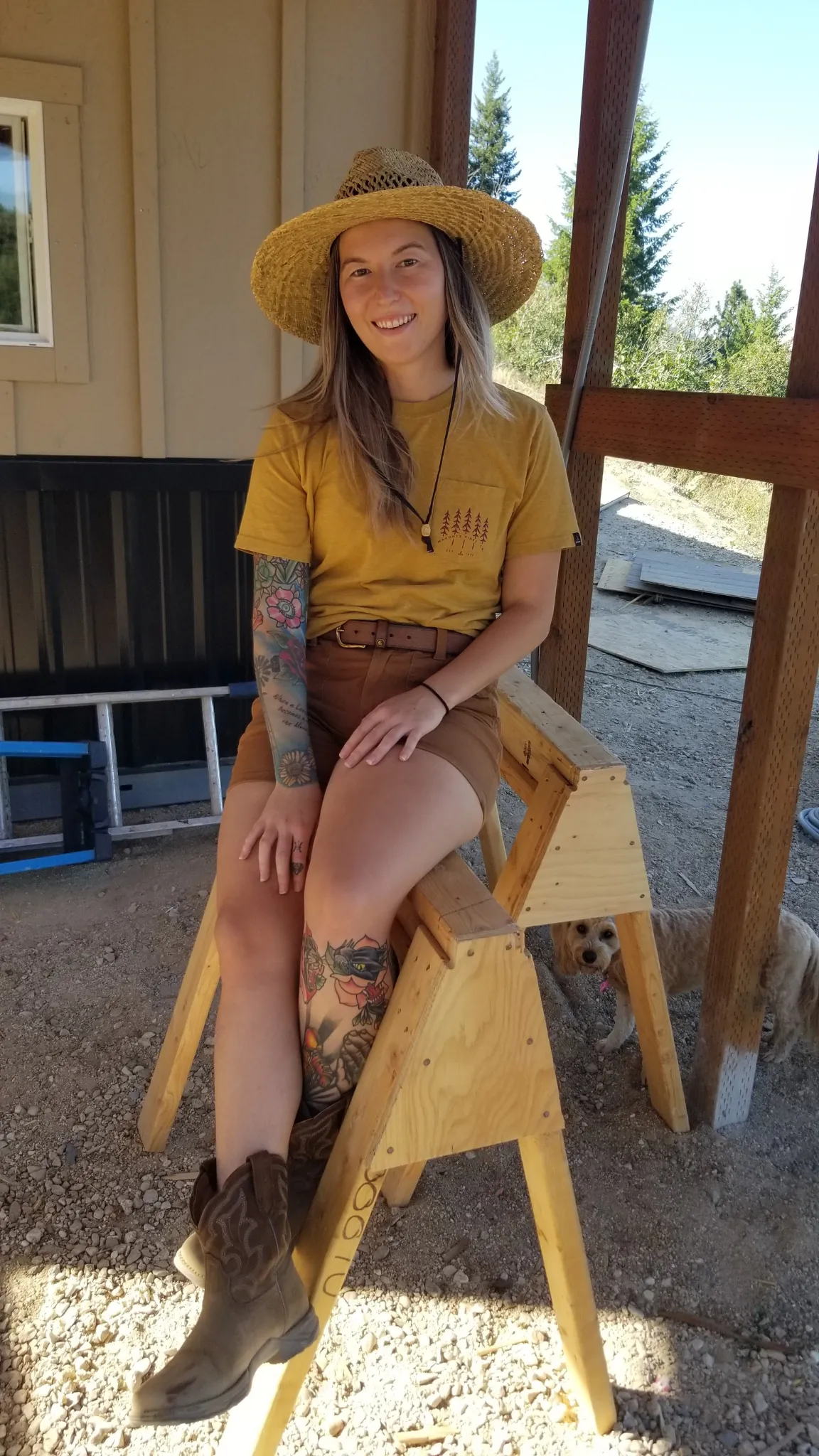
It's time to take the first step towards your homesteading journey.
Don't let uncertainty hold you back any longer.
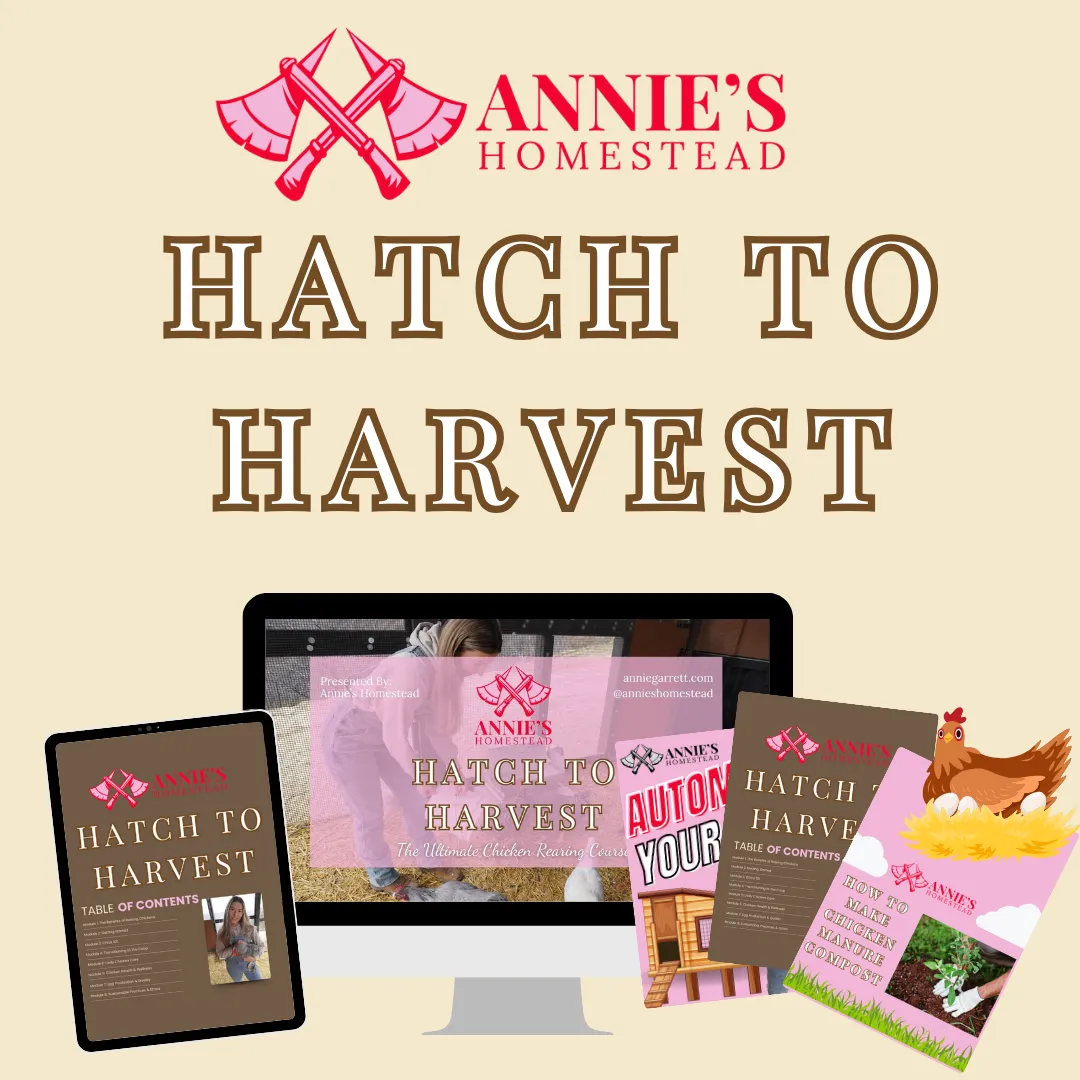
Our chicken course offers a comprehensive roadmap to self-sufficiency, guiding you step-by-step through the process of creating your own thriving flock, from hatch to harvest.
Enroll in our course today and take the first step towards a brighter, more empowered future!
Annie's Homestead is not affiliated by Facebook™ in any way. Facebook™ is a registered trademark of Facebook™ Inc
Branding and Website by RoyalT Studio