


Welcome to Annie's Homestead
You stopped trusting the system.
Now let's build your way out of it
Learn how to grow real food, real birds, for real independence.
Does this sound familiar?
You've been reading labels and not likeing what you see.
You don't fully trust the grocery store, the supply chain, or what the label actually means. You're not paranoid. You're paying attention. And you're ready to do something about it.You want to know where your food actually comes from.
You want to know the bird, the feed, the ground it walked on. You want the full chain — and you want to own it.You’re done waiting for the system to fix itself.
Whether you have five acres or a back patio, you're ready to start building something that doesn't depend on anyone else. One seed. One egg. One jar at a time.
If any of that sounds like you — you're exactly who this is for.
Most homesteading content online is either a Pinterest fantasy or a 47-step overwhelm spiral. Neither helps you actually do anything.
This isn't that.
Annie's Homestead is no-gatekeep, straight-to-the-point resources for people who are done outsourcing their food supply to a system they don't trust. We go into the detail. We share what actually works. And we don't pretend it's simpler than it is — because you're smart enough to handle the real version.
That's where Annie's Homestead comes in.

Start exactly where you are.
You don't need land, livestock, or a barn. You need a direction and someone who's actually done it. Whether you have a backyard or a window ledge, the first step is the same: start something you can eat.

Know what's in your food — because you put it there.
From egg selection to hatch day. From mealworms to free-range. From seed to harvest. Annie covers the full chain because the full chain is the whole point.

Build skills that make you less dependent.
Fermentation. Incubation. Coop automation. Food preservation. Every skill you learn is one less thing you need from a system you don't trust. That's not a hobby. That's a strategy.
Free: Automate Your Coop
Want to streamline your chores?
Less time on chores.
More time on everything else.
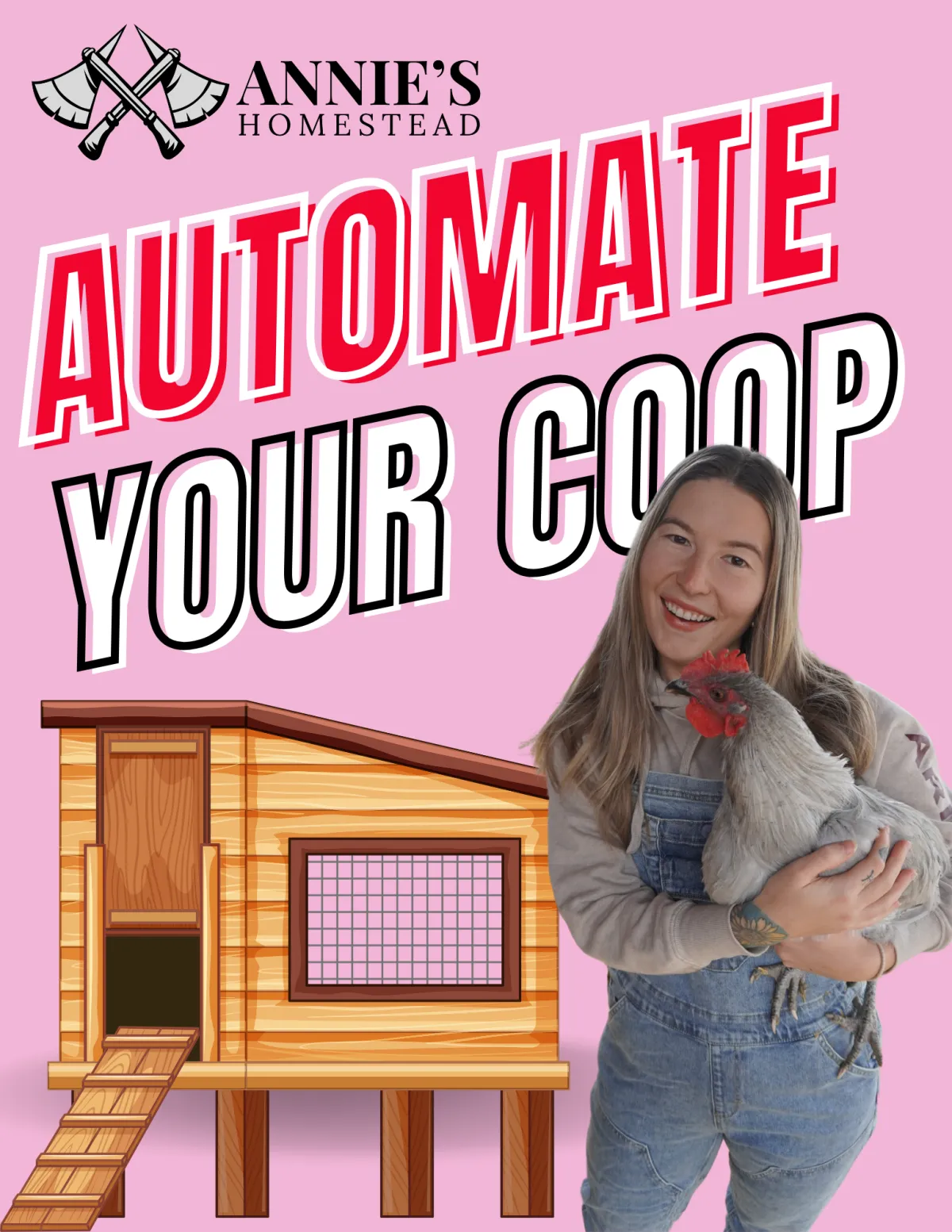
The exact automations Annie uses on her off-grid Idaho homestead — automatic doors, refillable waterers, everything that runs the coop so she doesn't have to babysit it.
Free. Because we don't gatekeep here.
Hey There,
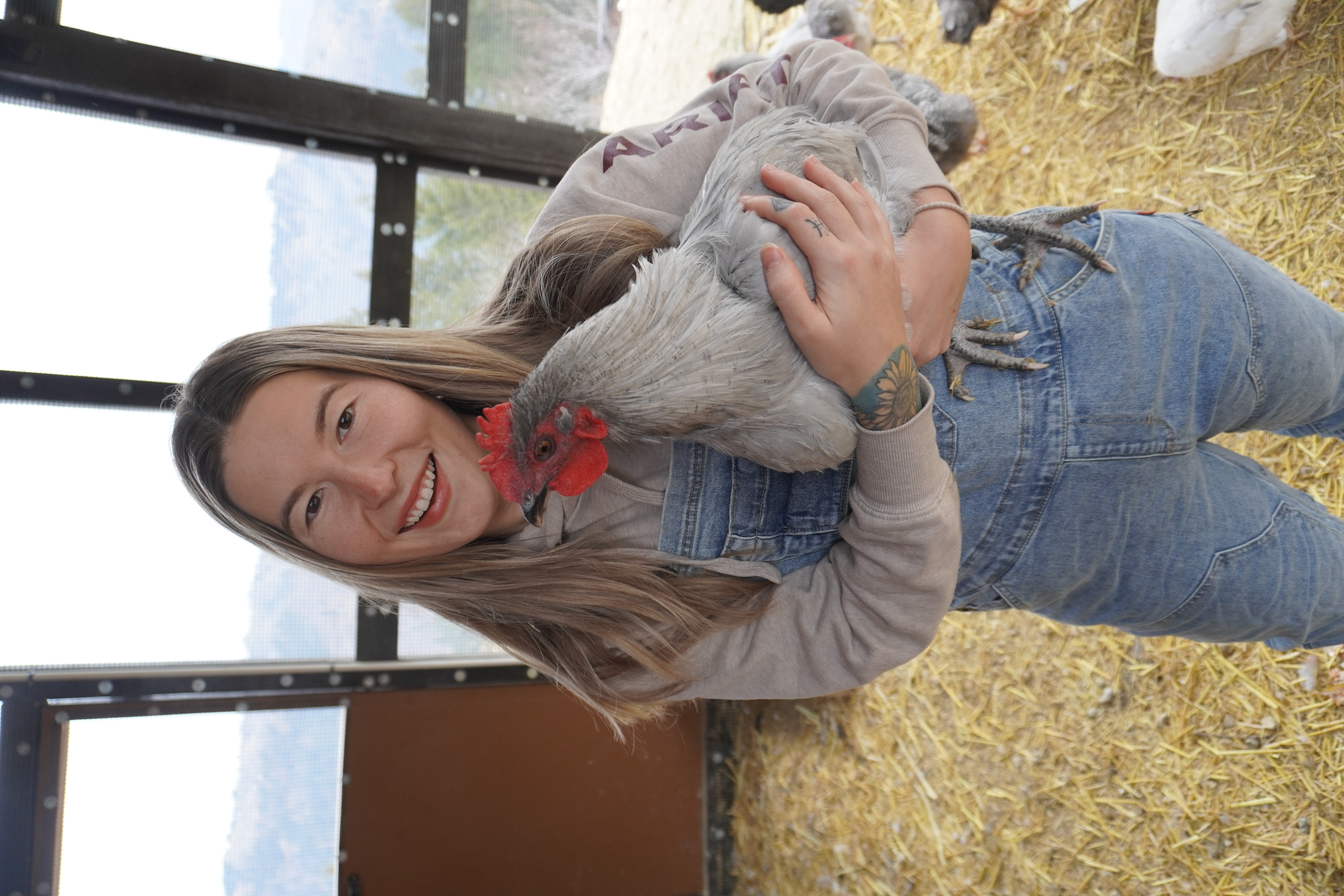
I'm Annie
I'm here to help you leave the system with ease
I live off-grid in the Idaho mountains with a flock of birds I hatched myself, an indoor grow room, and a greenhouse — because I'd rather know exactly what's going into my food than trust a label that doesn't have to tell me everything.
I built Annie's Homestead for the person who's started asking questions they can't unask. The person who reads ingredients now. The person who looked at the Palantir-USDA contract and thought — okay, it's time to build my own supply chain.
No sugar-coating. No gatekeeping. Just the real process, the real numbers, and honest answers about what it actually takes.
You found this page for a reason. Stick around.
Top Resources
Streamline your chore list with our chicken coop automation list
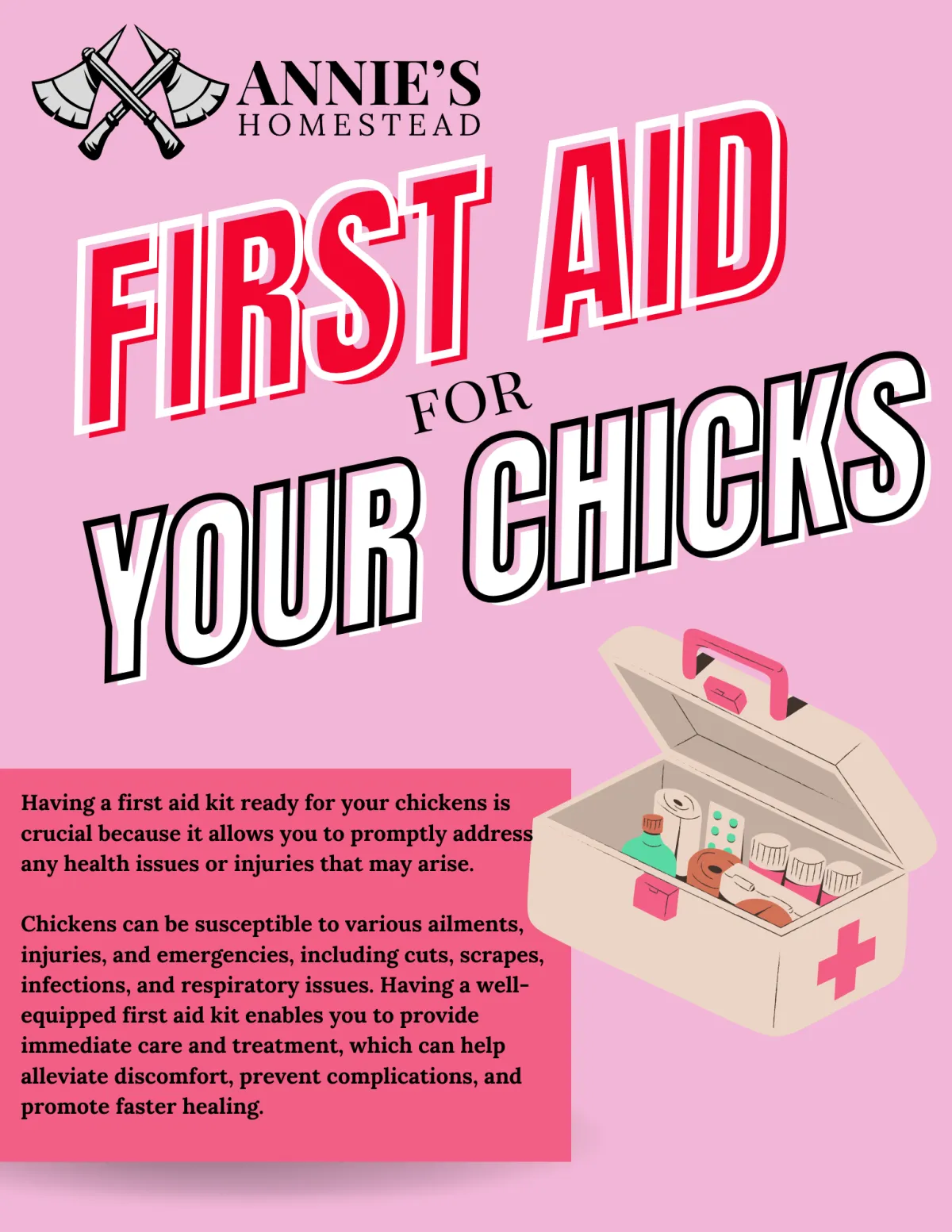
Prepare For Emergencies with our Chicken First Aid Kit
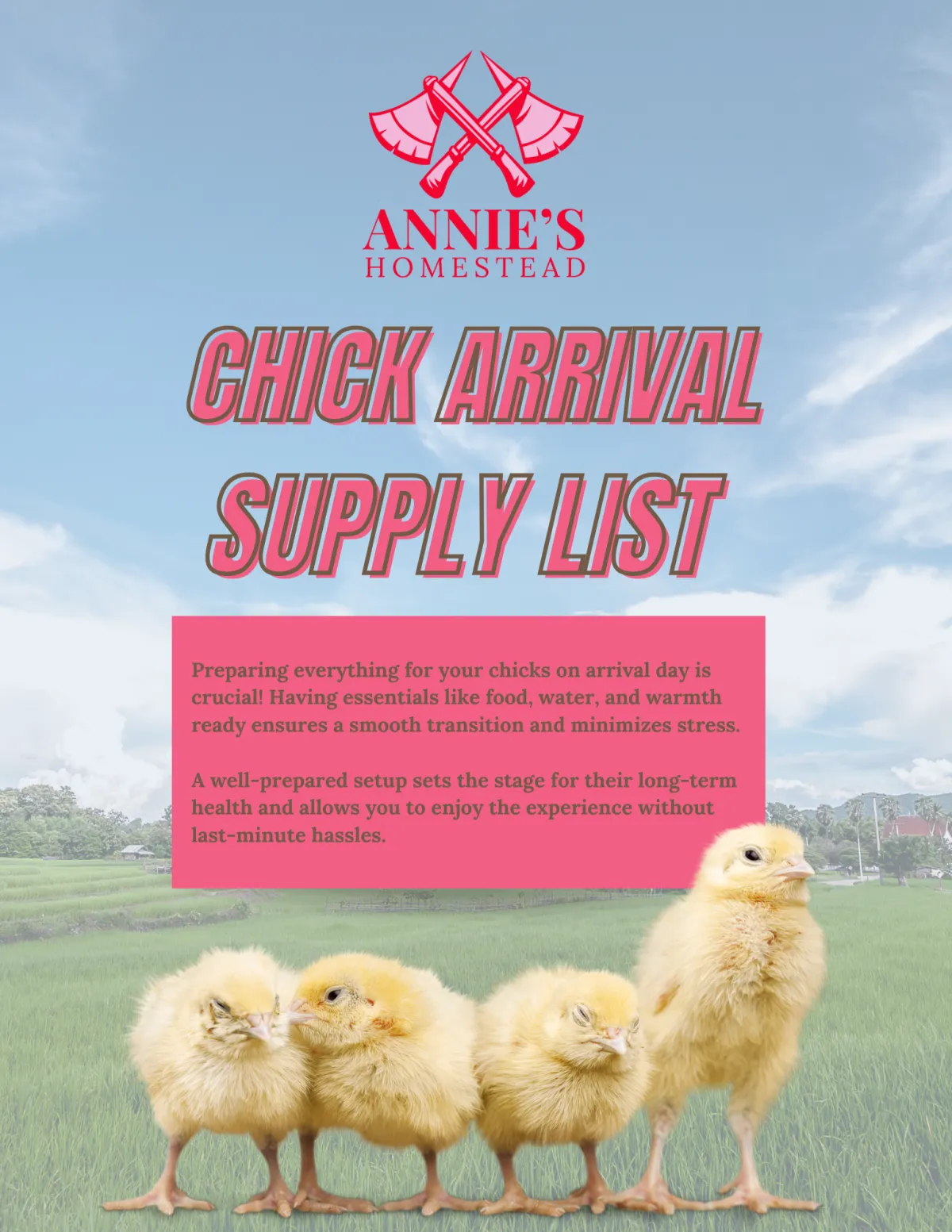
Prepare For Your New Chicks with our Favorite Essentials
Stay Updated
And join the inner circle
Be one of the firsts to know anything new and stay up to date with all the happenings on the homestead!
(I won't spam you ever - PROMISE!)
READ THE BLOG
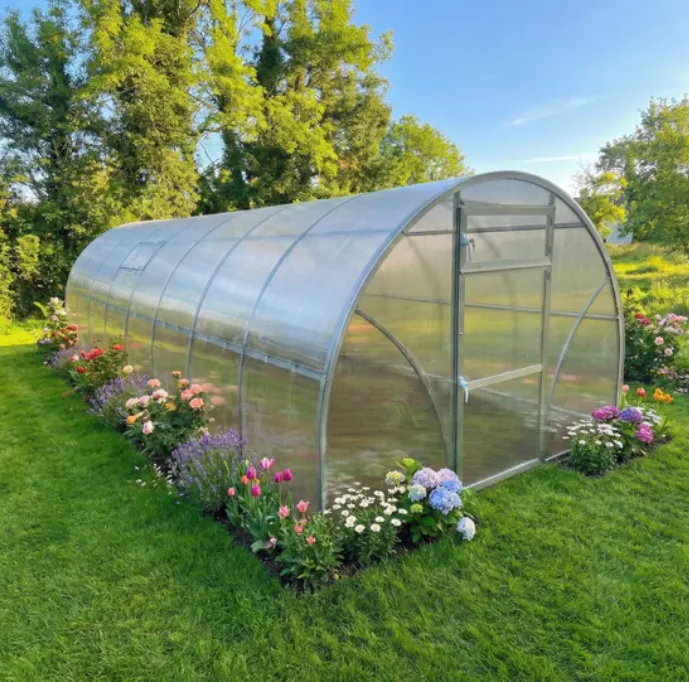
How to Plan a Small Food-Security Garden for Real Meals
How to Plan a Small Food-Security Garden for Real Meals
A food-security garden does not need to provide every calorie your household eats. For many homes, a useful garden supplies a few high-use ingredients, reduces some grocery trips, improves access to fresh food, and creates options during the growing season.
That is a more achievable target than trying to recreate an entire farm in one spring.
The best small garden is not the one with the longest crop list. It is the one you can water, weed, harvest, cook, and replant without resenting it by midsummer.
Begin with meals, not seed catalogs
Before choosing crops, list the meals you already make. Look for ingredients that appear often and that are expensive, difficult to keep fresh, or especially useful when harvested in quantity.
You might discover that your household uses:
- Herbs in soups, sauces, eggs, or salads
- Greens in lunches and quick dinners
- Tomatoes in pasta, salsa, sandwiches, and soups
- Peppers in cooked meals
- Green beans as a side dish
- Cucumbers for fresh eating or pickling
- Zucchini in dinners, baking, or freezing
- Scallions or other alliums for frequent cooking
The right crops depend on climate, soil, sun, available water, local pests, household preferences, and the length of your growing season. A crop that is easy for one gardener may be a poor fit elsewhere.
Use a meal-frequency test
For each possible crop, ask:
- How often do we eat it?
- How many plants or rows could we realistically maintain?
- Can we use the harvest fresh?
- Do we know a simple way to store or preserve it?
- What will happen if harvest arrives while we are busy?
- Is the crop worth the space compared with buying it?
Give priority to foods that pass most of those tests. You are not trying to grow every ingredient. You are choosing a short list that supports actual meals.
Size the garden to the labor you can sustain
Garden planning often focuses on square footage, but time is just as important. A small plot can become unmanageable if it requires daily watering, constant harvesting, or hand work you cannot reliably provide.
Consider:
- How much direct sun is available
- Whether water is nearby
- Who will handle watering during travel or illness
- How much bending, lifting, and digging is realistic
- Whether the garden can be protected from pets and wildlife
- How much time is available during the busiest part of summer
- What you can do with a bad harvest or missed week
If you are new to growing food, start with one bed, a few containers, or a compact row. Leave room to learn. A smaller garden that is harvested and eaten is more valuable than a larger garden that bolts, overruns its support, or becomes a source of guilt.
Make maintenance visible
Place the garden where you will notice it. A garden hidden at the far end of a property may be harder to water and inspect. Keep tools nearby. Use mulch where appropriate to reduce exposed soil and help with moisture management. Choose supports before vining plants need them.
The purpose of these choices is not perfection. It is reducing the number of small obstacles that make a five-minute task feel like a project.
Choose crops by their job in the food system
A small food-security garden can provide several different kinds of value.
Fresh-use crops
Fresh-use crops give quick access to food during the growing season. Salad greens, herbs, scallions, radishes, and other short-cycle crops can make ordinary meals more varied without requiring long-term storage.
High-volume crops
High-volume crops can provide a larger harvest from limited space, but they also create a processing problem. Zucchini, tomatoes, cucumbers, and beans may be useful, yet you need a plan for eating or preserving them before planting a large amount.
Storage crops
Some crops are valuable because they hold well under suitable conditions. Storage performance depends on variety, maturity, curing, temperature, humidity, and handling. Do not assume that a crop advertised as a storage vegetable will last in a warm, damp, or poorly ventilated space.
Utah State University Extension provides guidance on food storage and preserving the harvest. Its Preserve the Harvest resource is a useful starting point for comparing methods and storage needs.
Flavor and nutrition boosters
Herbs, greens, peppers, and other small crops may not supply the bulk of a meal, but they can improve foods you already store. A pantry meal becomes more usable when it can include a fresh herb, green onion, or pepper.
Grow for the weak points in your pantry
Pair your pantry inventory with your garden plan. If you already have plenty of shelf-stable starches but struggle to use them, growing another starch may not be the best first move. You may gain more from herbs, greens, vegetables, or ingredients that make beans, rice, eggs, pasta, and canned foods easier to eat.
This is where food security becomes personal. One household may need reliable salad greens. Another may benefit from tomatoes for sauce. Another may need foods that tolerate heat, limited watering, or irregular attention. There is no single universal crop list.
Plan the harvest before planting
For every crop, write down:
- When it is likely to be ready
- How much your household can use in a week
- How often it must be harvested
- Whether it can be frozen, dried, fermented, stored, or canned safely
- What equipment or recipe is required
- Where it will go if the harvest arrives all at once
If you cannot answer the last two questions, plant a small test quantity. Do not create a preservation emergency on purpose.
Use succession planting and realistic quantities
Succession planting means staggering some plantings so the entire harvest does not arrive at once. It can make greens, radishes, beans, and other crops easier to use, depending on climate and crop.
You can also reduce waste by planting less of a crop at a time. A packet of seeds is not an instruction to grow every seed. If your household uses two jars of salsa in a month, a large tomato harvest may be unnecessary unless you have a preservation plan and the time to use it.
The same principle applies to herbs. A few plants can provide plenty for fresh use. More plants may be worthwhile if you dry or freeze herbs, but only if those methods fit your routine.
Food security includes failure planning
Gardens fail sometimes. Heat, drought, disease, pests, poor germination, late freezes, smoke, heavy rain, and personal emergencies can all change the outcome. A garden should complement your food buffer, not carry the entire burden.
Keep backup options:
- Continue maintaining a pantry of foods you eat.
- Save some seed money for replanting or buying food locally.
- Use containers or a second planting location if practical.
- Learn which local crops are available from farms, markets, or community gardens.
- Avoid spending the entire season’s budget on one crop or one piece of equipment.
A garden can increase resilience while still being vulnerable. Both statements can be true.
Do not copy someone else’s garden scale
Online garden tours compress months of labor into a few photographs. They rarely show watering schedules, crop failures, soil preparation, tool costs, family labor, or the food that went unused. Treat photos and videos as ideas, not measurements of what you should accomplish.
The same caution applies to social discussions about the best food preservation method. The Reddit preservation discussion shows why no single method works for everyone. Freezing, dehydrating, fermenting, storing fresh produce, and canning each have different requirements and tradeoffs.
A simple first-year garden plan
For a first season, choose three layers:
- One fresh-use crop: something you will eat several times a week.
- One meal ingredient: something that goes into dinners you already make.
- One learning crop: a small quantity of something you want to practice growing or preserving.
Track what you harvest and what actually gets eaten. At the end of the season, keep the crops that supported meals and revise the rest. A garden journal does not need to be elaborate. Note planting dates, problems, harvest amounts, and whether you would grow the crop again.
Connect the garden to your pantry
Your garden becomes part of food security when harvest enters a repeatable system. Wash and use fresh crops promptly. Set aside any preservation quantity before the harvest becomes overwhelming. Freeze or dry small amounts as they accumulate if those methods are appropriate. Keep a short list of recipes that use your most productive crops.
For garden planning support, add a [link to Annie’s Homestead small garden planning guide]. For preservation planning, add a [link to Annie’s Homestead harvest worksheet]. Do not send readers to a generic list of crops without explaining how to choose quantities.
Your first action this week
Write down five meals your household already eats. Circle the ingredients you could realistically grow in your space and climate. Choose one crop for fresh use, one for meals, and one small experiment.
The point is not to prove that you can grow everything. The point is to make a few meals less dependent on a single shopping trip.
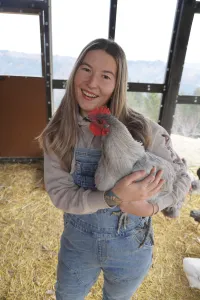
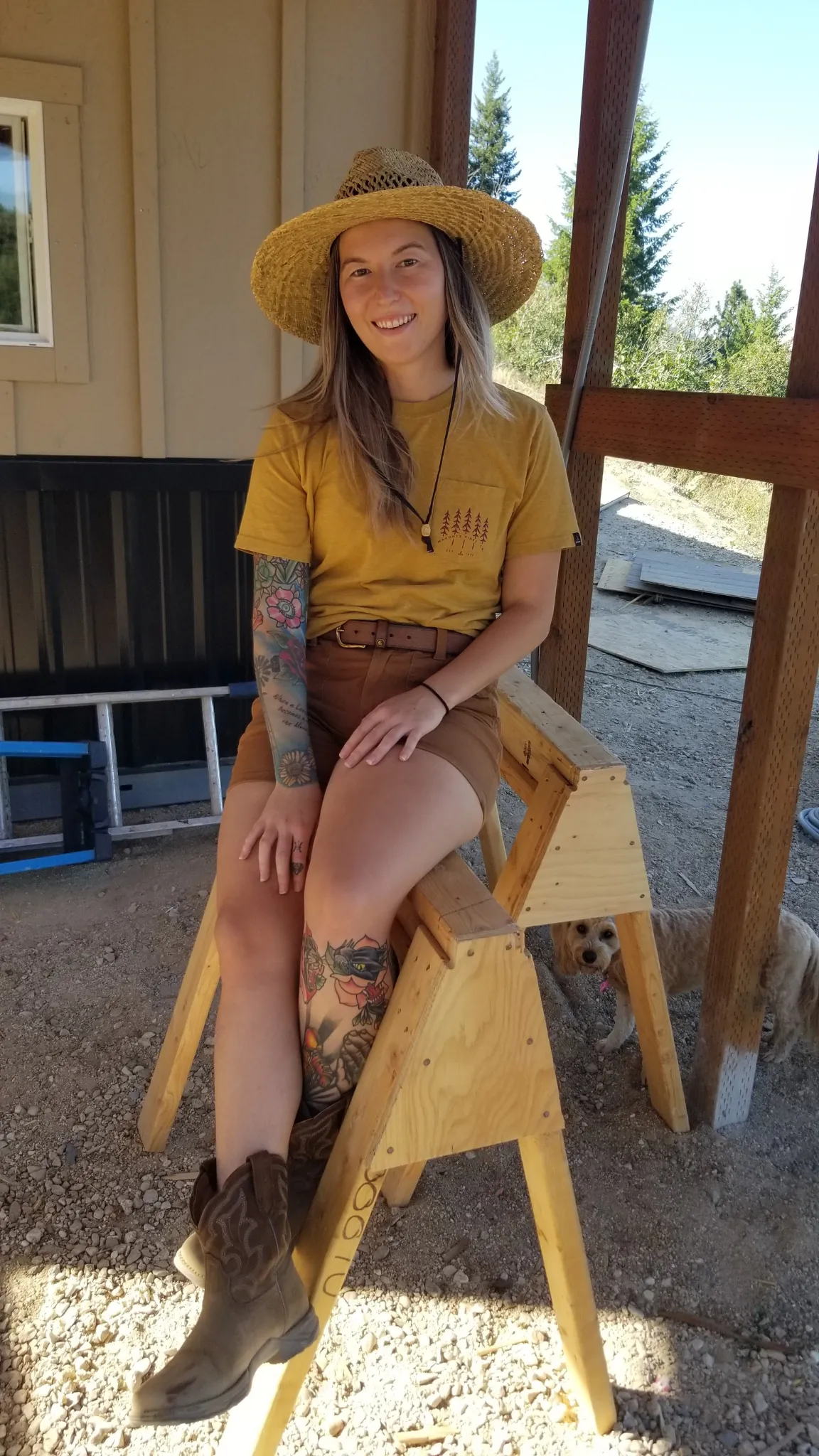
It's time to take the first step towards your homesteading journey.
Don't let uncertainty hold you back any longer.
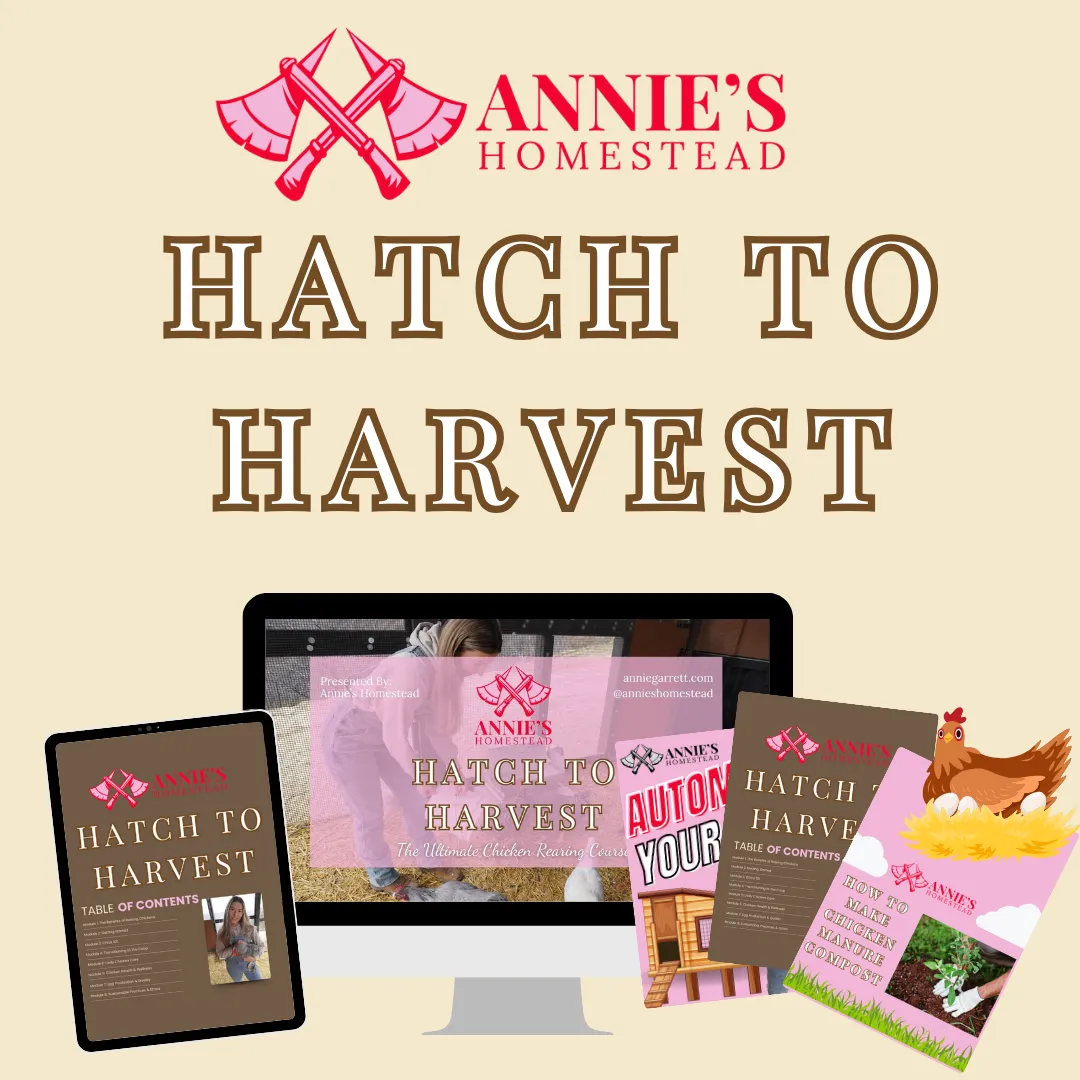
Our chicken course offers a comprehensive roadmap to self-sufficiency, guiding you step-by-step through the process of creating your own thriving flock, from hatch to harvest.
Enroll in our course today and take the first step towards a brighter, more empowered future!
Annie's Homestead is not affiliated by Facebook™ in any way. Facebook™ is a registered trademark of Facebook™ Inc
Branding and Website by RoyalT Studio